Grassroots Football in Taunton Faces Crisis Amid Heatwave
On the professional stage, players worry about fixture congestion and tight turnarounds. In Taunton, they are staring at something more basic: whether there will be a pitch to play on at all.
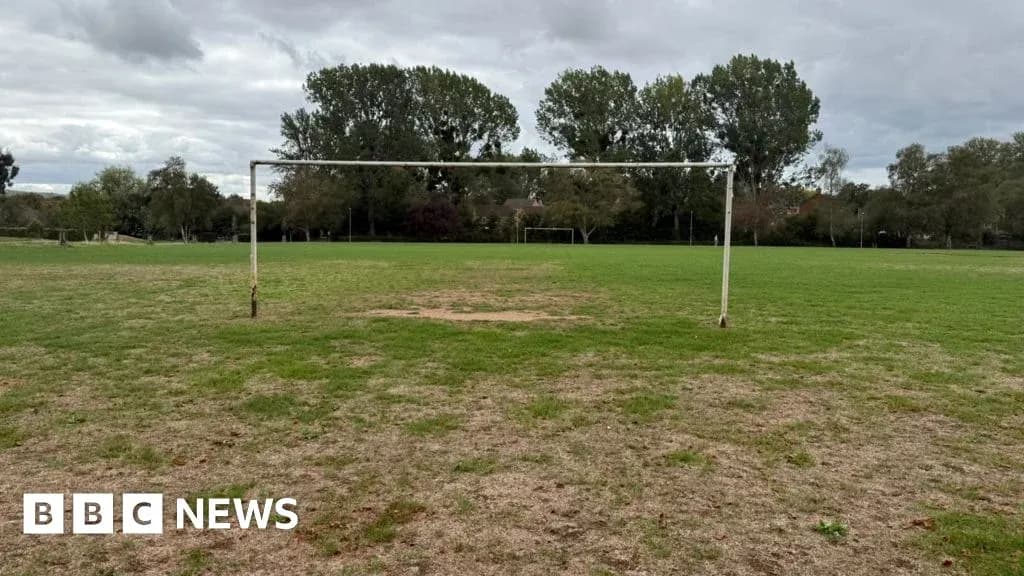
Extreme heat and prolonged dry weather have bitten hard into grassroots football, forcing Taunton Town Council to close its sports pitches in a bid to save them from long-term ruin. The move, taken to “protect the long-term quality and sustainability of the facilities” and keep players safe, has sent a jolt through the local game.
The surfaces have suffered. An extended drought has stripped back grass cover and baked the ground solid, leaving hard, unforgiving pitches that no risk assessment could ignore. After inspections, the council concluded that carrying on as normal would cause “significant damage” and jeopardise the condition of the pitches “for the remainder of the season”.
So the gates are locked, for now.
For clubs and volunteers, the timing could hardly be worse. Paul Coltman, a football consultant working with the affected sides, painted a stark picture of a grassroots scene already stretched to its limits.
“We're already close to breaking point with more teams than we have pitches,” he said. The closures turn a squeeze into a crisis. “Those pitches that are still usable will now have more games on them which means the knock-on effect is huge.”
This is not just about Sunday league fixtures. Training nights, youth sessions, and informal kickabouts all feel the impact. Every cancelled slot is another team scrambling for space, another coach juggling schedules, another parent wondering if their child’s game will survive the season.
Coltman did not pretend this was a sudden shock. He argued the heatwave has exposed a deeper, longer-running problem.
“This is a result of years of neglect and poor maintenance,” he said. The weather simply finished what underinvestment started.
The strain is not only on grass and goalmouths. It is bearing down on the people who keep the local game alive. “This is a huge impact on local football and a massive drain on an already shrinking volunteer base,” Coltman warned. When pitches vanish, so too can the patience of those who give up evenings and weekends to line them, open them, and supervise them.
Clubs are now being pushed into survival mode. With home grounds unavailable, they are being urged to pool resources and improvise.
“Those clubs are now going to need to work together to find alternative venues,” Coltman said. Shared facilities, longer travel, awkward kick-off times – all suddenly part of the weekly planning. And there is no quick fix. “This isn't going to go away quickly by the sound of things.”
The council insists it is not turning its back on the game. A spokesperson stressed that the pitches are “showing signs of recovery” but remain “under considerable stress” and “require additional time to recover fully before regular play resumes”. Inspections are ongoing and “the situation is reviewed on a week-by-week basis”.
That leaves players, coaches and volunteers in limbo, watching the weather and waiting for the green light. In an era when elite football never seems to stop, the grassroots game in Taunton is discovering what happens when the ground beneath it quite literally gives way.