Harry Wilson's Injury Threatens Wales' Nations League Plans
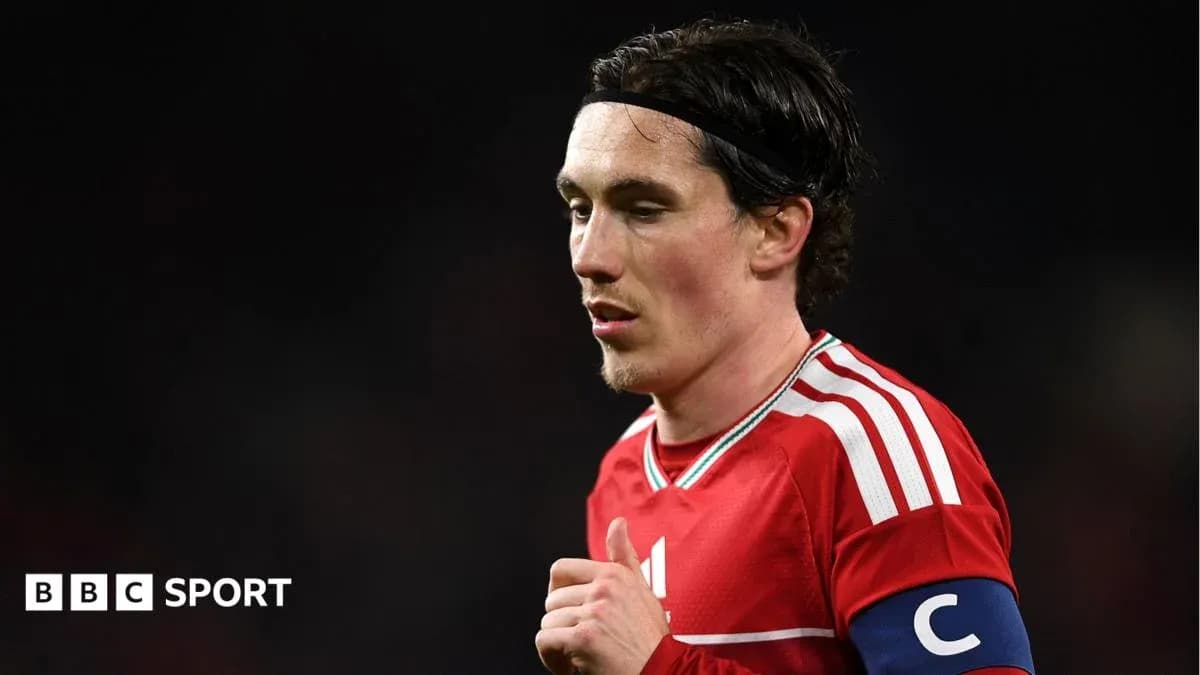
Wales’ return to the top tier of the Nations League is already carrying a sizeable setback. Harry Wilson, one of the side’s most reliable attacking outlets, is now a major doubt for the start of the campaign after suffering a quadriceps injury with Leeds United.
Craig Bellamy had included the 29-year-old in his squad for a demanding run of fixtures against Portugal, Denmark and Norway in September and October, a schedule that was always going to test Wales’ depth. Wilson was expected to play a central role in that challenge. Now, that plan is in serious jeopardy.
The blow was confirmed by Leeds boss Daniel Farke, who revealed on Friday that Wilson will miss Sunday’s Premier League game at home to Crystal Palace and is unlikely to report for international duty.
“Harry Wilson is out of this game, a quad injury, he reported some problems after the last game and also during this training week,” Farke said, outlining the extent of the issue that has sidelined the forward. “He will also probably miss the Welsh games, so definitely not good news for him and also not for the Welsh team.”
For Bellamy, it is exactly the kind of news he did not need. Wilson’s numbers for his country underline his importance: 69 caps, 17 goals, and a habit of delivering in big moments, whether from open play or set pieces. In a squad already short on proven top-level attackers, losing that experience and end product rips a hole straight through Wales’ game plan.
The timing makes it worse. Wales are stepping back into League A, where every mistake is punished and every missing leader is noticed. Trips to face Portugal and Denmark, plus a meeting with Norway, demand control, composure and a threat on the counter – all areas where Wilson usually helps knit Wales’ play together.
Without him, Bellamy may be forced into a tactical rethink and a test of his emerging options far earlier than he would have liked. The Nations League was supposed to be a stage for Wales to show they belong again among Europe’s elite. Now it may also become an early examination of just how well they can cope without one of their most trusted performers.