Ian Garry's Determination to Overcome Islam Makhachev
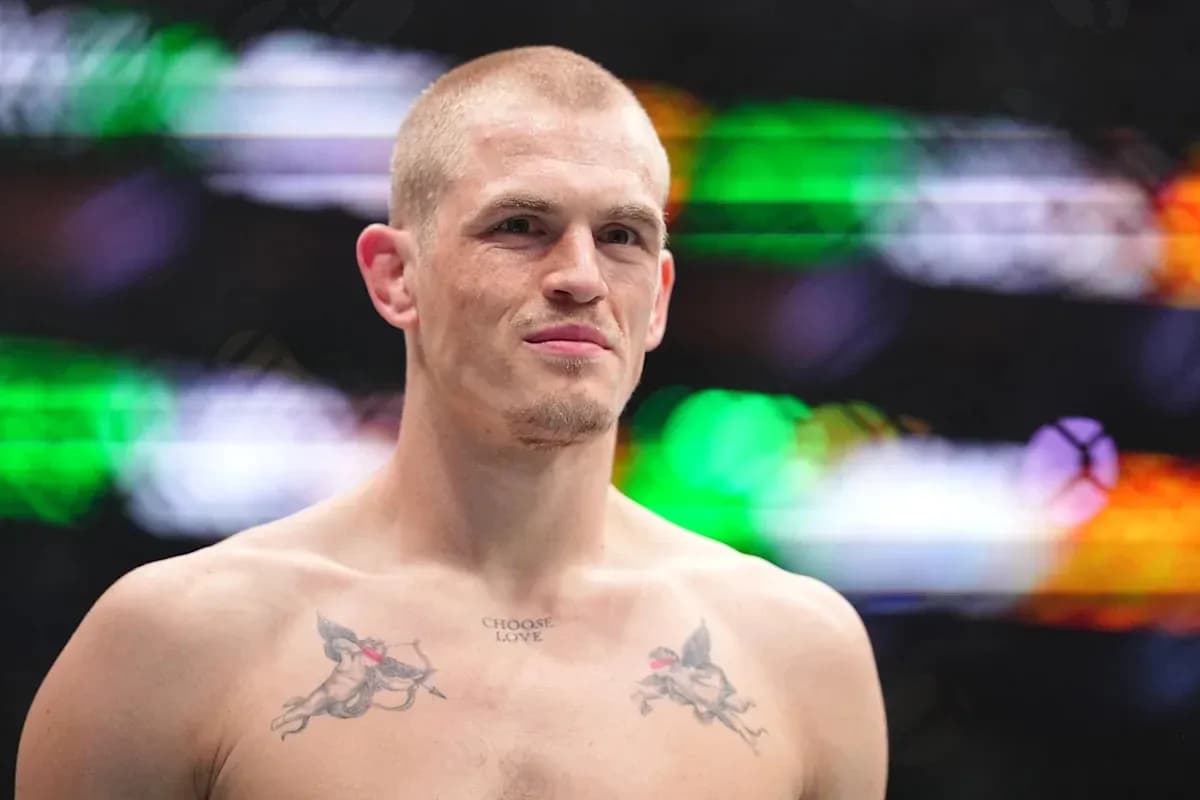
Ian Garry refuses to let Islam Makhachev be the final word on his story.
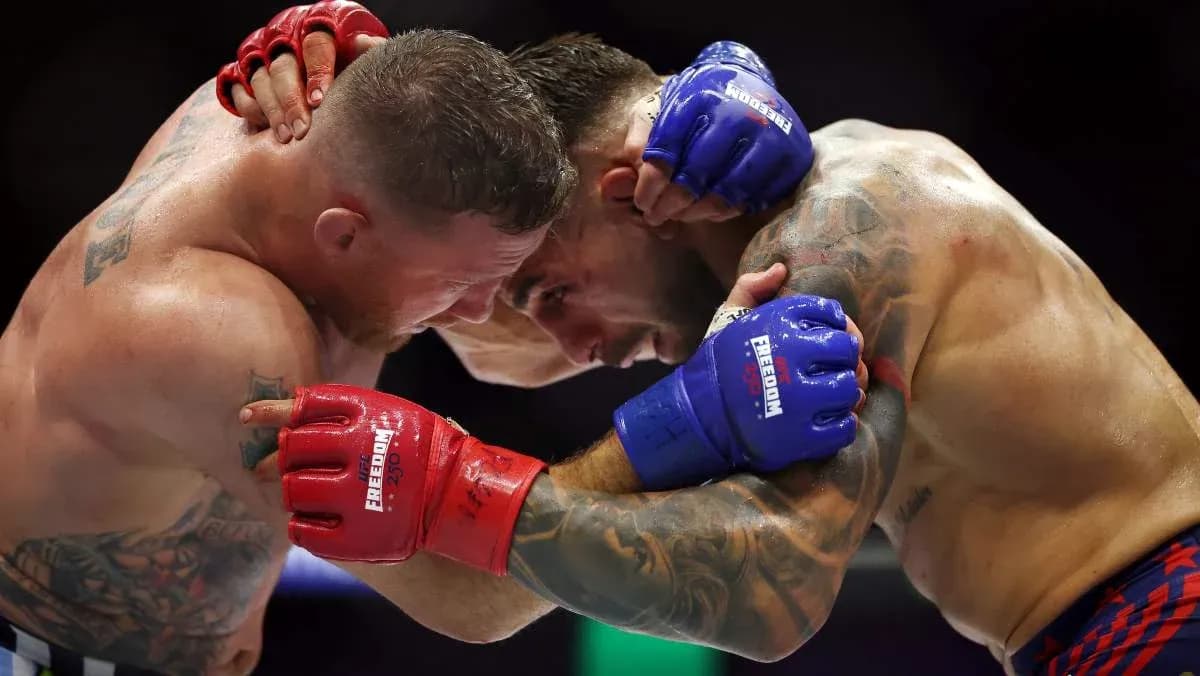
Twenty-two days after losing a unanimous decision to the champion in their UFC 330 Welterweight title fight in Philadelphia, “The Future” is still talking like a man who expects that belt to end up around his waist. Not someday. Now.
Cameras found him in a very different arena this week, speaking to reporters ahead of Katie Taylor’s retirement fight. The setting had changed. The message had not.
“I’m proud and happy — proud of myself, my team, my preparation and everything we did,” Garry said, revisiting the night he fell short over five rounds inside Xfinity Mobile Arena. “Obviously, I’m annoyed about the result. That’s the fight game. We get back on the horse and go again because I’ve got 10 years in this sport to compete at the highest level and prove that I’m one of the baddest men walking the earth.”
He meant every word. You could hear it in the way he spoke about the rematch that isn’t coming any time soon.
Because Garry doesn’t just believe he can beat Makhachev. He insists he would do it right now.
“I definitely think the biggest thing I could have done was a bit more volume, more kicks, more venom with the shots to the head,” he admitted, assessing his own performance with a bluntness that top fighters often reserve for private rooms. “But I feel if I fight him right now, I beat him. I just have so much confidence in myself, so much confidence in my team and the preparation that we do. I just want to get back in there tomorrow and do it all over again.”
That is the tightrope every elite fighter walks: the thin strip between unshakeable belief and outright delusion.
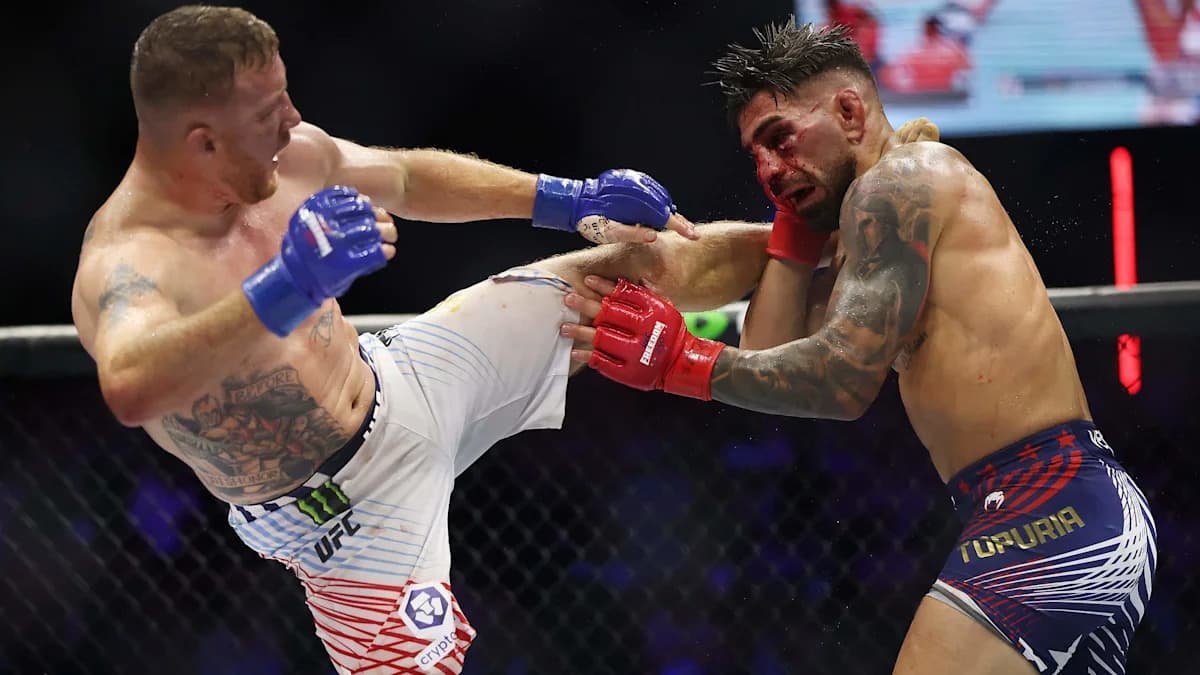
The tape from UFC 330 is clear. Over five rounds, the world watched Garry push one of the most accomplished fighters in UFC history and still come away empty-handed on the scorecards. He left the cage insisting he’d dragged Makhachev “to the f—king wire,” then largely disappeared from public view, limiting himself to a brief reaction and a few family photos on Instagram.
Now he’s back in front of microphones, doubling down.
The reality of the division offers no shortcuts. An immediate rematch with a dominant champion like Makhachev is not on the table. The path runs through other sharks at 170 pounds: a run of top contenders, a string of convincing wins, and then, maybe, another crack at the belt.
Time, at least, is his ally. Garry is 28. He sits near the top of the Welterweight rankings. He has already shown he belongs in that rare air where title fights are discussed as a matter of when, not if.
What he has not shown yet is that he can solve the Makhachev puzzle.
Garry is convinced the answer lies in output and intent — more volume, more kicks, more venom. Less admiration, more ambition. The kind of adjustments that sound simple in a hotel conference room and feel brutally complex when the cage door shuts and a champion is stalking you down.
For now, he waits. He has told the UFC he wants to return as quickly as possible and is ready for the next name they slide across the table.
Confidence is clearly not the issue. The question is whether the next time Ian Garry steps into the Octagon, the version of “The Future” that shows up looks like a man who has learned from Islam Makhachev — or one still chasing a fight that only exists in his head.