Imane Khelif's High-Profile Return to the Ring in Paris
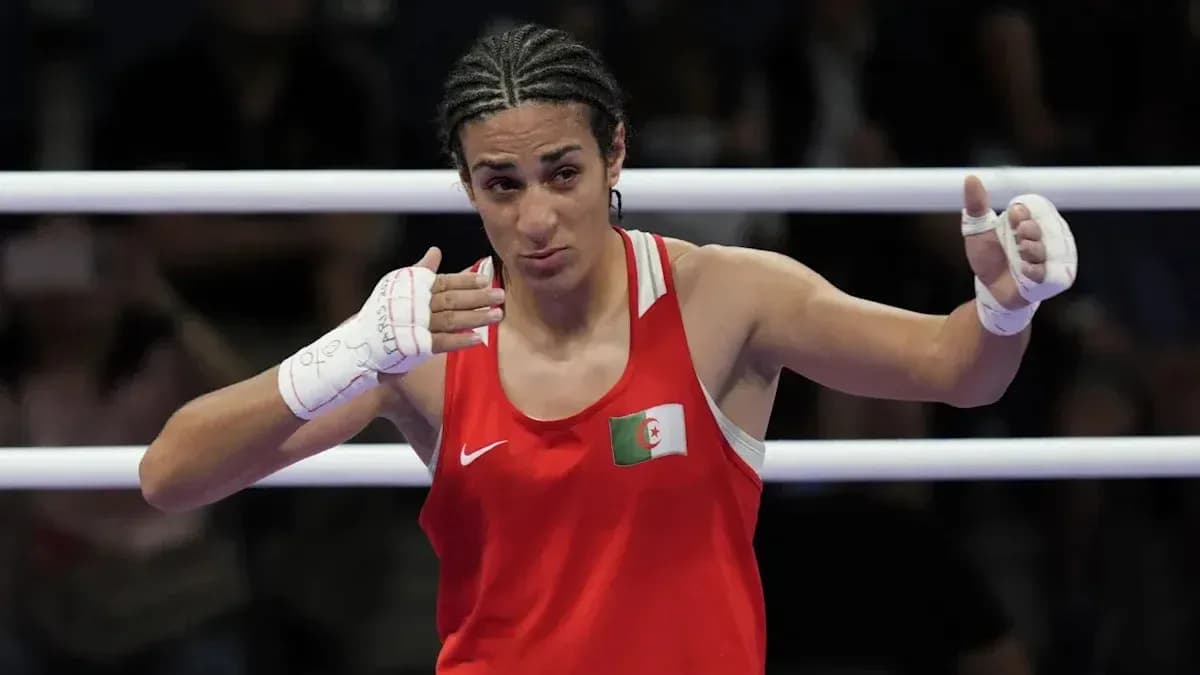
Two years after standing atop the podium in Paris, Imane Khelif is going back to where it all erupted for her — and where the debate around her has never really stopped.
The Algerian, who stormed to Olympic gold at the 2024 Games, has announced her first fight since that turbulent summer. The venue is familiar. The stakes feel different.
Back under the Paris lights
Khelif is scheduled to fight on December 15 at the Maison de la Mutualite in Paris, facing undefeated Clarida Sarabia in what shapes as a high‑profile return to competition.
This is not the comeback she originally mapped out. Khelif had planned to make her professional debut in Paris in April 2026, only for a left shoulder injury in training to derail those plans and keep her out longer than expected. The delay stretched into a full two-year absence from the ring after her Olympic triumph.
Now the date is set, the opponent is named, and the tone from Khelif is clear. In a video posted on Instagram, she spoke with the kind of edge that comes from time spent in the shadows.
"I've waited, I've doubted, but deep inside, the fire never dies," she said. "And, now, I'm back."
The words were brief, but the message was unmistakable: this is not a tentative return. It is a statement.
A champion at the eye of a storm
Khelif’s reappearance in a Paris ring cannot be separated from the storm that surrounded her last time she fought on this stage.
Her run to Olympic gold in 2024 became one of the most fiercely debated stories of the Games. Misconceptions about her sex collided with a complex, shifting regulatory landscape in boxing, turning her bouts into a flashpoint far beyond the sport.
The roots of the controversy stretch back to 2023. That year, the International Boxing Association (IBA) — now removed from overseeing Olympic boxing — banned Khelif and Taiwan’s Lin Yu-ting after what were reported as failed gender eligibility tests. The decision effectively branded both fighters and ignited a global argument.
Yet when the Olympics arrived in Paris, the IBA was no longer in charge of the tournament. The International Olympic Committee (IOC) ran the boxing events under its own sex eligibility rules. Under those rules, Khelif and Lin were cleared to compete.
Both did more than just compete. They won gold.
The medals did not end the scrutiny. They intensified it. Every punch Khelif threw in Paris came with noise attached — from fellow athletes, from federations, from politicians, from people who had never watched a full boxing bout in their lives.
New rules, old questions
The governance of the sport shifted again in 2025 when World Boxing took over as boxing’s global authority. With it came a new sex eligibility policy: all fighters would be required to undergo a one-time genetic test for events sanctioned by the organization.
The rollout of that policy created its own flashpoint. World Boxing president Boris van der Vorst initially named Khelif specifically in the announcement about the new tests, before later apologizing to the Algerian federation for singling her out.
Khelif did not accept the new framework quietly. She reportedly appealed World Boxing’s decision in August 2025, taking her case to the Court of Arbitration for Sport. The attempt to suspend the policy was dismissed, leaving the rules intact and the questions around her competitive future unresolved.
She addressed part of that debate publicly in February 2026, in an interview with CNN. Khelif said she has high levels of testosterone and that she has been reducing those levels under medical supervision. It was a rare moment of personal disclosure in a saga often defined by statements from organizations rather than the athlete at the center of it.
A fight that goes beyond the scorecards
All of that history walks into the ring with her on December 15.
On paper, it is a compelling matchup: an Olympic champion back in action against an undefeated opponent, Clarida Sarabia, in a city that has already framed Khelif’s career. In reality, the bout carries layers that stretch well past the judges’ scorecards.
Khelif has not fought since the Olympics. She has rehabilitated a shoulder, watched a governing structure change around her, and lived through a public argument about who gets to step through the ropes. Now she returns to Paris not as an emerging story, but as a symbol — contested, scrutinized, and still swinging.
The fire, as she put it, never died. December will show what it looks like after two years of fuel.