Infantino Faces Pressure: Independent Governance Review Announced
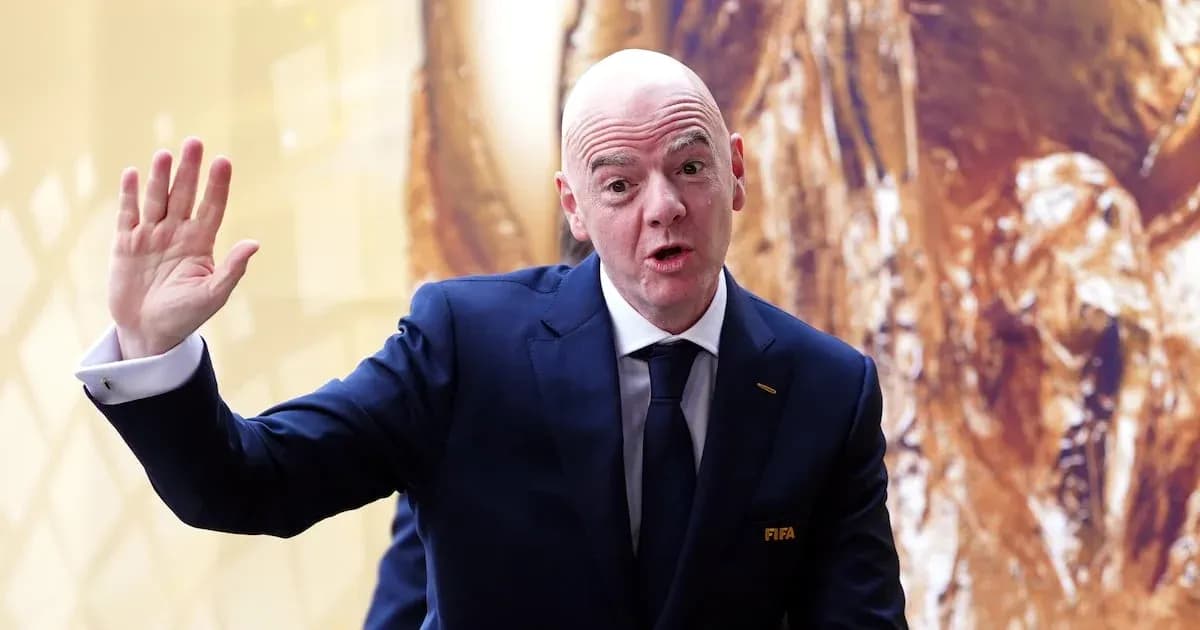
Gianni Infantino has finally blinked.
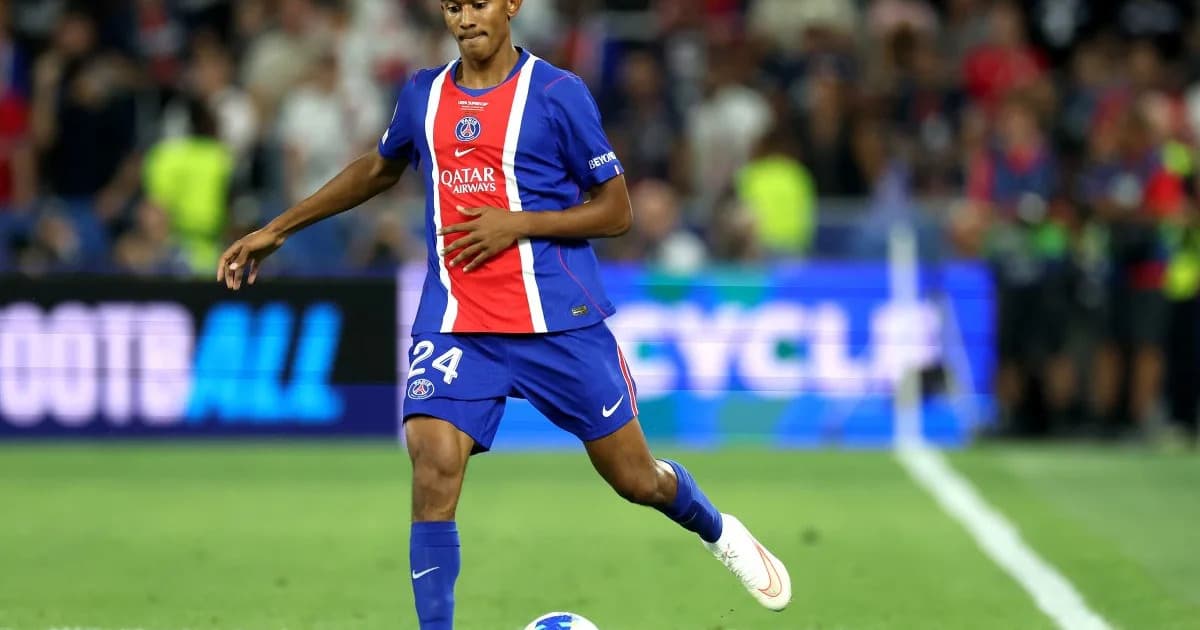
Under growing fire over Fifa’s botched World Cup commercial plans and the handling of the Folarin Balogun affair, the Fifa president has agreed to commission an independent governance review – a step he has long resisted and one that could shape his grip on power ahead of next year’s presidential election.
Infantino bows to pressure – but only so far
For weeks, discontent has been simmering inside Fifa’s own inner circle. Several members of the Fifa Council had been pushing hard for an external review of the proposed Fifa Forward Enterprise (FFE) sell-off and the Balogun controversy, only to be met with silence from the president.
The tone changed when the English FA chair, Debbie Hewitt, put her demands in writing. Her letter called for the release of all documents relating to both the FFE project and the Balogun case, turning private frustration into a very public challenge to Infantino’s authority.
Infantino chose not to confront those council critics directly. Instead, he went over their heads. In a letter sent to all 211 member associations, he signalled – for the first time – that he is prepared to submit Fifa’s governance to outside scrutiny.
“First, I will ask the council whether it wishes to commission an independent external review of Fifa’s current governance framework for major strategic initiatives and recommend potential improvements,” he wrote.
He also said he would invite proposals to overhaul Fifa’s internal decision‑making, promising that the subject will be on the table at the next council meeting in Zurich on 15 October.
Governance under the microscope
Infantino’s letter lays out a two-pronged plan. Alongside the independent review, he wants what he calls a “direct, structured and time-limited consultation” with confederations, member associations and other stakeholders on how to “further strengthen” Fifa’s decision-making.
That consultation, he said, would seek concrete ideas on:
- earlier institutional involvement in major decisions
- the respective roles of the president, the bureau, the council and the congress
- practical ways to bolster transparency, participation and accountability on big strategic calls
On paper, it sounds like the opening of Fifa’s black box. In reality, the crucial battle now shifts to the fine print. The Fifa Council – made up of 28 confederation representatives, eight vice-presidents and Infantino himself – is expected to sign off on an external review. The real question is what that review will be allowed to touch.
Will it be a sweeping audit of how power is wielded in Zurich? Or a carefully fenced-off exercise that leaves the president’s authority largely intact?
No promise on FFE or Balogun
For Hewitt and other critics, there is a glaring omission. Infantino does not commit to reviewing the Fifa Forward Enterprise deal or the Balogun case specifically. He nods to governance in general, but sidesteps the two flashpoints that triggered the revolt.
That gap matters. The FFE proposal – effectively a plan to spin off and sell a slice of Fifa’s future revenues – and the handling of the Balogun controversy have become symbols of how key decisions are made and communicated under Infantino. By not naming them, he has stopped short of giving his opponents what they most wanted: a direct, independent examination of those episodes.
The move leaves him room to argue that he is embracing reform, while keeping the most sensitive files out of immediate reach.
Cash reserves in the spotlight
Governance is not the only front on which Infantino is under attack. Money is now at the heart of the political struggle.
Fifa sits on cash reserves of around $6bn (£4.5bn). Last week, Uefa president Aleksander Ceferin and Concacaf president Victor Montagliani formally requested that each national association receive at least $10m from that pot.
It is a bold demand, and a pointed one. The message is clear: with the game still feeling the financial aftershocks of recent years, Fifa’s wealth should not just sit in Zurich.
On Monday, Asian Football Confederation president Sheikh Salman bin Ibrahim Al Khalifa joined the push, sending his own letter and ensuring that funding will be a central item at next month’s council meeting.
The timing is no coincidence. With a presidential election looming in March, the pressure on Infantino to loosen the purse strings – and to show he can share both money and power – has never been sharper.
The independent review will tell the world how serious Fifa really is about changing the way it runs the game. The fight over those $6bn will reveal who truly calls the shots.