Iraola's Liverpool Journey: From Bournemouth to Anfield
Twelve months ago Liverpool opened their title defence with five straight league wins, Arne Slot in full stride and the champions looking every inch themselves. The first of those victories came against Bournemouth, then coached by Andoni Iraola, on a bright opening night that felt like the start of a long reign.
No one in the stadium that evening was sketching out this season’s script: Slot gone, Iraola in his place, and Liverpool arriving at the same fixture six points worse off than at this stage last year.
Football doesn’t wait for anyone.
From home dugout to away dressing room
Iraola returns to Bournemouth this weekend unbeaten in the Premier League as Liverpool head coach, but still under inspection. The league table is blunt. The performances, less so.
For three years the south coast was his base, the Vitality Stadium his proving ground. On Sunday he walks back in through a different door and into a different room. Even that room has changed. Bournemouth have had to renovate the away dressing room to meet Europa League regulations, so the space is smarter, more comfortable, less cramped than it used to be.
It will still feel strange. This time he arrives with Liverpool, not as the architect of Bournemouth’s survival and European breakthrough.
He has traded the English seaside for the quieter sands of Formby, following a well-trodden path for Liverpool managers. Jurgen Klopp and Brendan Rodgers both settled there; now Iraola cycles the same coastal routes, a keen rider making the most of the shoreline. Around the city he keeps a low profile. The real work, as always with him, happens out of sight.
A six-days-a-week obsessive
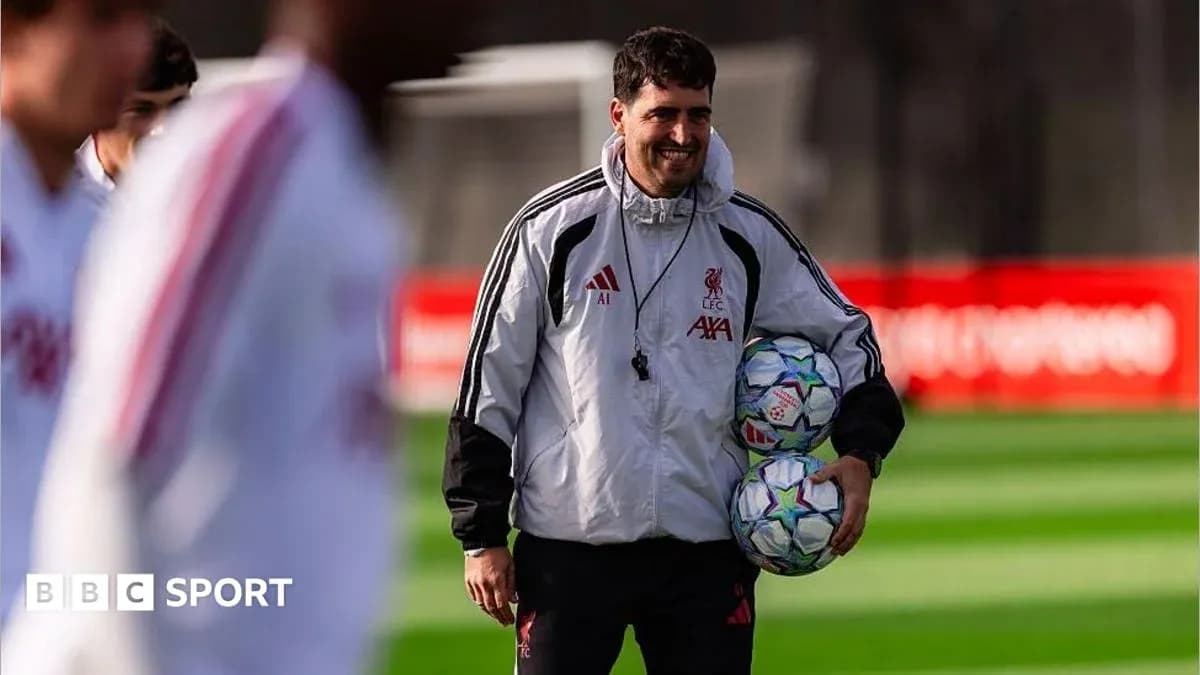
Ask those at Liverpool’s AXA Training Centre in Kirkby and they describe a coach who lives on the grass. Iraola is a “six days a week” operator, relentless in his preparation, habitually the first man on the pitch, laying out cones himself before the players appear.
“It’s really intense. There’s a lot of hard work and no sort of light days. Everyone’s putting in 100%,” said forward Lewis Koumas. That line could be a mission statement for Iraola’s football.
The club hierarchy felt the whole place needed a reset after last season’s messy title defence. Even if Slot had stayed, there was a belief that the mood would naturally lift once the campaign rolled over. Iraola has benefited from that fresh-start feeling, but he has also had to adjust to the scale of the job.
At Kirkby he barely uses his own office. Instead he prefers the coaches’ room, squeezed in alongside Tommy Elphick, Shaun Cooper and Pablo de la Torre. It fits his character: collaborative, understated, the opposite of the manager who rules a floor of the building. Compared to some of his predecessors, his presence day to day is deliberately low-key.
De la Torre, who followed him from Rayo Vallecano to Bournemouth in 2023 and now to Liverpool, is central to the project. His task: make sure the players can survive the physical demands Iraola places on them. The style doesn’t work without running. Lots of it.
Learning Liverpool’s calendar on the fly
Inside the club, the changes are less dramatic than some might imagine. The head coach role at Liverpool is tightly defined, the structure above and around him firmly in place. Iraola has stepped into that framework, not torn it down.
His work at Bournemouth earned him the job. His education at Liverpool has come in the form of a brutal schedule. This team will play at least 49 games this season; a deep run in the cups could push that well into the 60s. That is new territory for him.
He has leaned into the expertise around him. The medical and fitness departments at Kirkby have a louder voice than at many clubs, and Iraola listens. Training times move with the fixture list. Late afternoon and early evening sessions are becoming the norm when kick-offs demand it. Under Slot, the pattern barely changed from day to day. Under Iraola, the clock is more elastic.
The academy has been pulled in tighter too. Rob Page, who coaches Liverpool Under-21s, talks about a clear alignment.
“We have an understanding of how the first team play and key principles, like how we press, how he [Iraola] wants his number 10 to press, how he wants his number eight to press, how he wants his centre-backs to press – we mirror that absolutely,” Page said.
The pathway looks clearer because the football looks similar.
A system built on roles, not reputations
Dominik Szoboszlai spelled out the structure earlier this week: Liverpool operate with a number six, a number eight and a number 10. Supporters spent the summer demanding a classic defensive midfielder, a destroyer in front of the back four. Iraola’s view is that the system can function without that specialist if the collective sharpens up.
His Liverpool are built on pressing triggers and coordinated movement. The positions matter more than the labels. The demands on each role are precise: when to jump, when to screen, how to close off passing lanes. That is drilled relentlessly.
Team selections are kept close. Iraola prefers to name his XI on the morning of a match, not the day before. Post-match analysis is parked until the following day, when emotions have cooled and the details can be pulled apart properly.
He has already learned one lesson about the scale of his new stage. After a pre-season friendly against Monaco, his comments to LFC TV about Liverpool running out of steam after 30 minutes were quickly lifted and amplified. The point he tried to make – that the squad were still building the fitness to play at his intensity – turned into a talking point about whether the players could cope.
At Liverpool, every phrase can become a headline. Iraola has adjusted. In press conferences he comes across calm, measured, open to debate, but there is a sharper awareness now of where his words might land.
Youth, running and the need to adapt
One of the major reasons Liverpool turned to Iraola was his track record with young players. That is already visible. The average age of their Premier League side this season is 25.3, with only five clubs fielding younger line-ups.
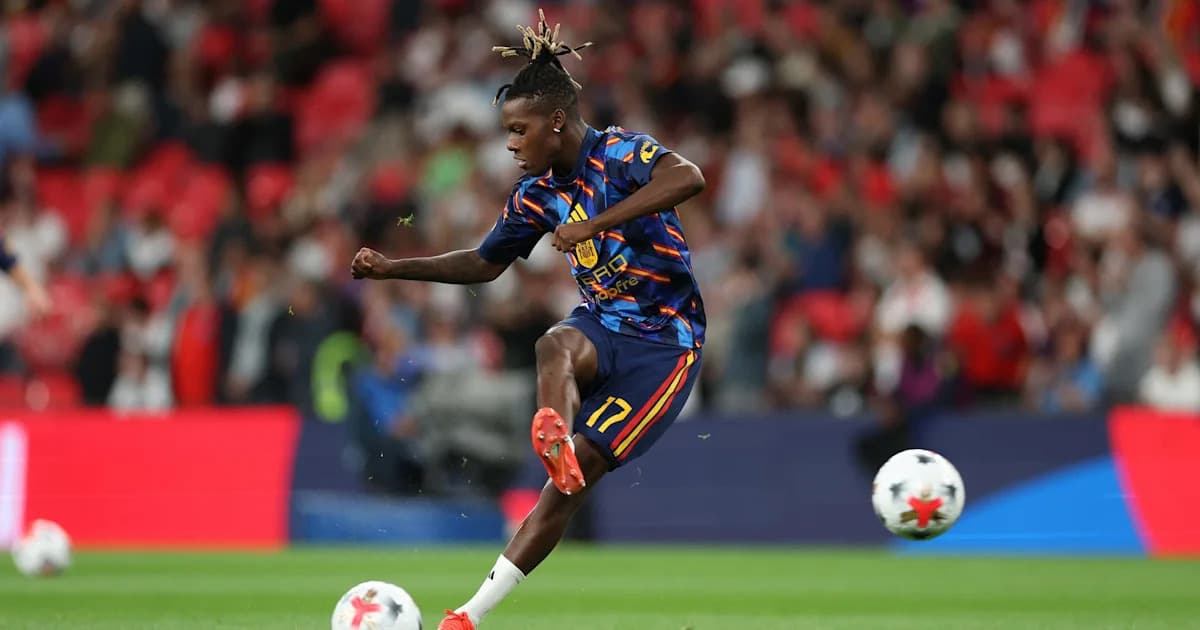
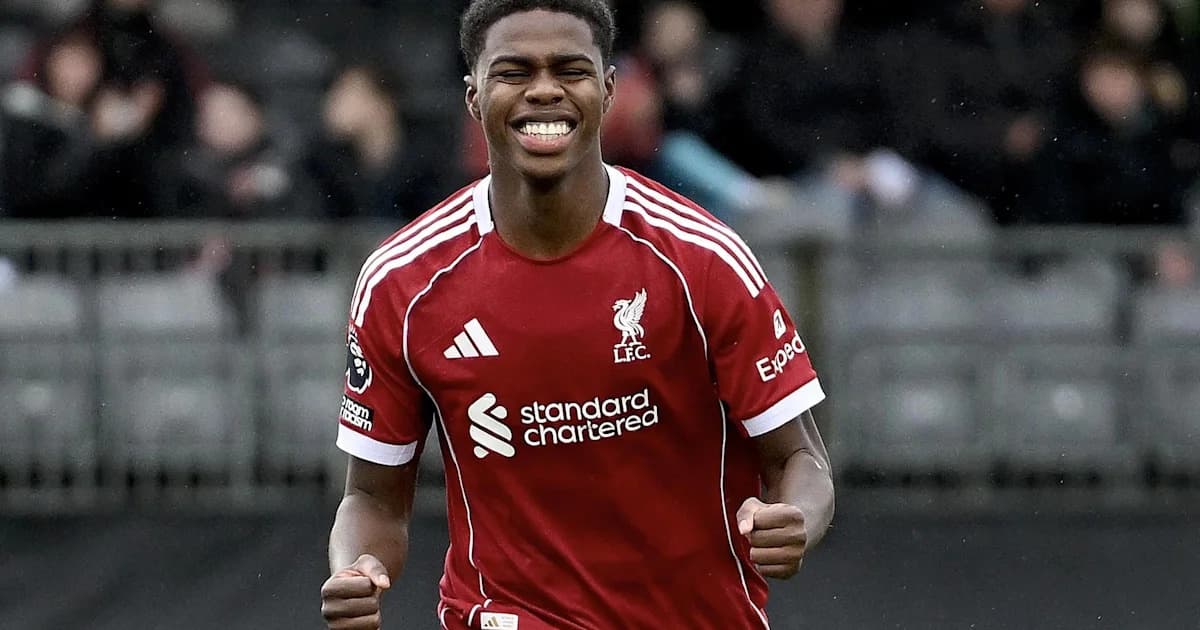
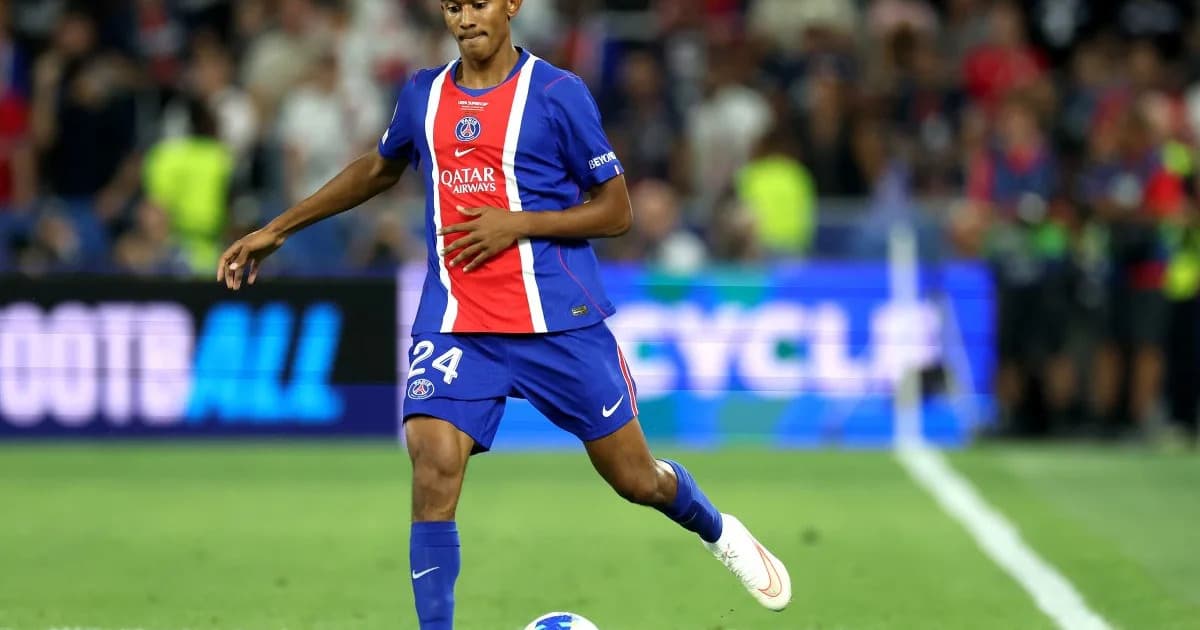
The Carabao Cup tie against Tottenham underlined the shift. Rio Ngumoha, 18, Trey Nyoni, 19, and Koumas, 20, all started. None were treated as token picks. All three are expected to play more significant roles than they did last year.
Intensity has become the buzzword around the squad. Under Iraola it is non-negotiable. The numbers back it up: going into this weekend, Liverpool have recorded the most sprints in the Premier League.
Yet the last league outing told a different story. Less than 72 hours after beating Atletico Madrid in the Champions League, they laboured to a goalless draw against Fulham, flat and short of their usual bite. The schedule had its say.
Sunday’s trip to Bournemouth will be their fourth game in 12 days. After the international break it gets worse: four matches in 10 days, and between 11 October and 7 November, nine games in total. No team can press at full throttle through that stretch without paying a price.
Iraola knows that. The purist in him wants control through intensity, but he has already accepted that Liverpool will sometimes have to win in other ways – a set-piece routine, a flash of individual brilliance, a scruffy goal from a recycled corner. Pragmatism has crept into the plan.
Back to the Basque, from a distance
On Thursday night, from 700 miles away, Iraola will have allowed himself a quiet smile. Bournemouth, the club that launched him into the Liverpool job, marked their Europa League debut with a win against Real Sociedad in the Basque Country, the region where he grew up and made his name as a player.
It was a neat twist: his former side thriving on a stage he once dreamed of as a boy, against opposition from home. On Saturday’s flight down from Liverpool, he may allow himself a moment to trace the journey – from Rayo Vallecano to Bournemouth to Anfield, from the Basque hills to Merseyside’s flat coastline.
But only a moment. The reality is more immediate.
Liverpool have not flown out of the blocks under Iraola, yet they have not been beaten either. After 12 league defeats last term, simply becoming hard to beat is progress of a kind. Inside the dressing room, though, the standards are higher. Vice-captain Alisson put it bluntly last week: draws are not enough for Liverpool.
Iraola knows it. He is unbeaten in the Premier League since January across his two clubs, an impressive run that still needs wins to carry real weight. On Sunday he walks back into Bournemouth as the away manager, chasing three points that would send Liverpool into the international break with momentum and send a quiet message about where this project is heading.
For a coach defined by intensity, there could be no better place – and no better time – to show that his Liverpool can turn all that running into something more ruthless.