Iraola Faces Early Test with Liverpool's Cup Ambitions
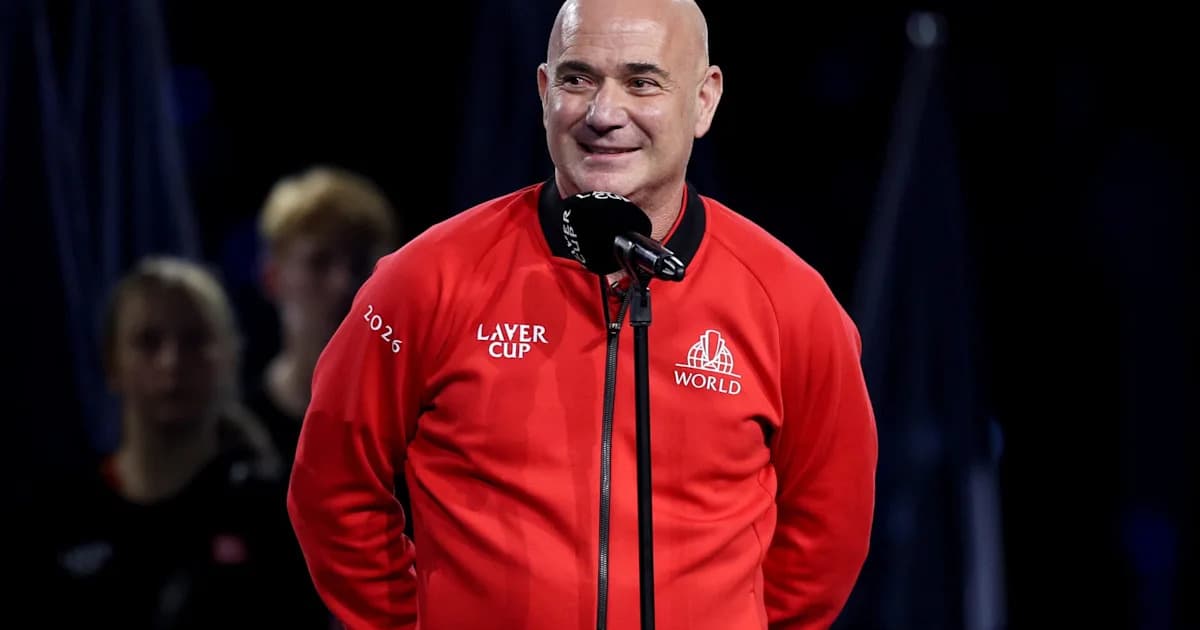
Andoni Iraola’s first real collision with the English calendar has arrived early.
Three games in six days, a Champions League high followed by a Premier League flatline, and now Tottenham under the Anfield lights in the Carabao Cup. Not a gentle introduction. Not a tie you can quietly hand to the kids and the fringe brigade.
This is where he finds out who can live in his world.
Iraola’s search for the “robust”
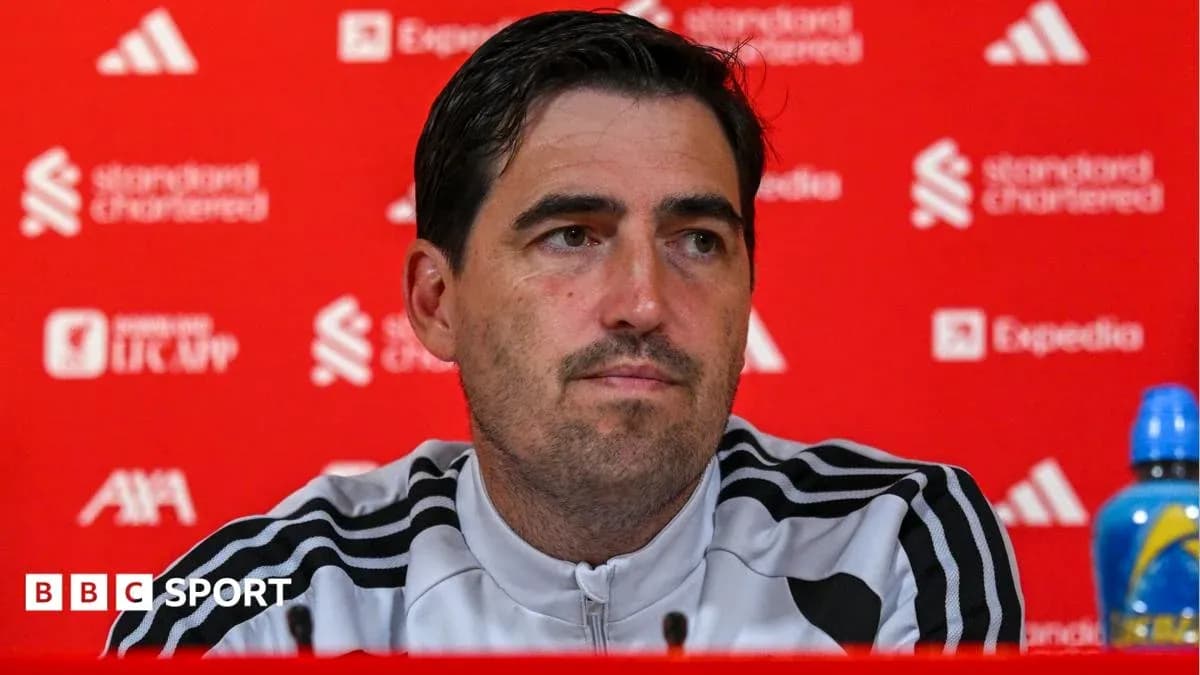
Asked if he can simply keep picking his strongest XI, Iraola didn’t dress it up.
“No. You can decide and put the same players in every game. The problem is there'll be a moment when they're really tired. And there is more risk of injury.”
That’s the blunt reality of his high-energy football dropped into a Premier League schedule that does not forgive. The Spaniard knows some players can go to the well every three days and come back looking the same. Others can’t.
“There are players who play every three days with no issues. They are very robust, their performances don't change too much,” he said. “There are other players where the risk is bigger and the performances are different. I have to learn who is ready to play games every three days and who needs a rest so their performance level isn't affected.”
This is not just a tactical project any more. It’s an audit. Who is physically and mentally built for his demands? Who fades when the games stack up? He thought he already knew with some. With others, he’s discovering the answers on the fly, just as they are.
And the timing could hardly be more unforgiving.
Liverpool’s League Cup habit
Liverpool don’t treat this competition as an afterthought. They never have.
Ten times they have lifted the League Cup, more than anyone else. Four in a row at the start of the 1980s, when the trophy practically lived on Merseyside. The fifth in 1995, Steve McManaman gliding around Wembley and deciding a final against Bolton. The Houllier years at the turn of the millennium, when 2001 and 2003 added two more.
Kenny Dalglish dragged it back to Anfield in 2012, edging Cardiff City on penalties in a final that felt like a throwback. Jürgen Klopp then wrapped his arms around the competition, winning it in 2022 after that extraordinary 11-10 shootout against Chelsea and again in 2024, beating the same opponents to make it 10.
This club has history with this cup. It has muscle memory. It knows how to turn February at Wembley into a habit.
Now Iraola walks into that lineage. Number 11 is not a romantic idea for him. It is a very real target in a season where silverware will define how quickly his reign is judged.
But he has a problem to solve first.
Rotation, risk and a restless crowd
Tottenham at home in the third round is not the draw any new manager wants when he is trying to manage minutes. This is not a night where you can throw on half a dozen academy graduates and shrug off the consequences.
Spurs have started the season poorly, but they are still a Premier League side with enough quality to punish a side that takes liberties. Rotate heavily and you risk another stuttering performance and an early exit. Go strong and you gamble with legs that already looked heavy at the weekend.
And that weekend matters.
Liverpool’s goalless draw against Fulham was more than just two dropped points. It was a warning sign. After the intensity and clarity of their midweek win over Atletico Madrid in the Champions League, this was a different team: flat, imprecise, drained.
Two home league games, two home draws. For only the third time in 63 years, Liverpool have failed to win either of their opening Anfield fixtures in a league campaign. That’s not the platform any new head coach wants.
The numbers tell you why Iraola looks uneasy. Six points from four league matches. Home draws against Nottingham Forest and Fulham. Another stalemate at Newcastle. The only win so far coming away at Ipswich. Unbeaten, yes, but nowhere near the standards this club now expects.
More concerning than the table, though, was the body language. “Physically and mentally tired” was the verdict from the press box, and it felt accurate. The £364m front three of Alexander Isak, Bradley Barcola and Florian Wirtz started a league game together for the first time and flickered rather than burned.
Isak had just 16 touches in 90 minutes, the second fewest on record for a Liverpool outfield player, having set the lowest mark – 14 – against Forest two weeks earlier. Wirtz, so bright against Atleti, looked a shadow of that player. Barcola and Isak had moments, nothing more. This is a partnership that clearly needs time, and time is the one thing the schedule does not give.
Fulham expose the early strain
Fulham arrived at Anfield under pressure. Alvaro Arbeloa, back on familiar turf after his 98-game spell as a Liverpool player, had lost his first three league matches in charge. His team had shipped seven goals in those games. Anfield expected a response from Liverpool and a release of frustration.
It didn’t come.
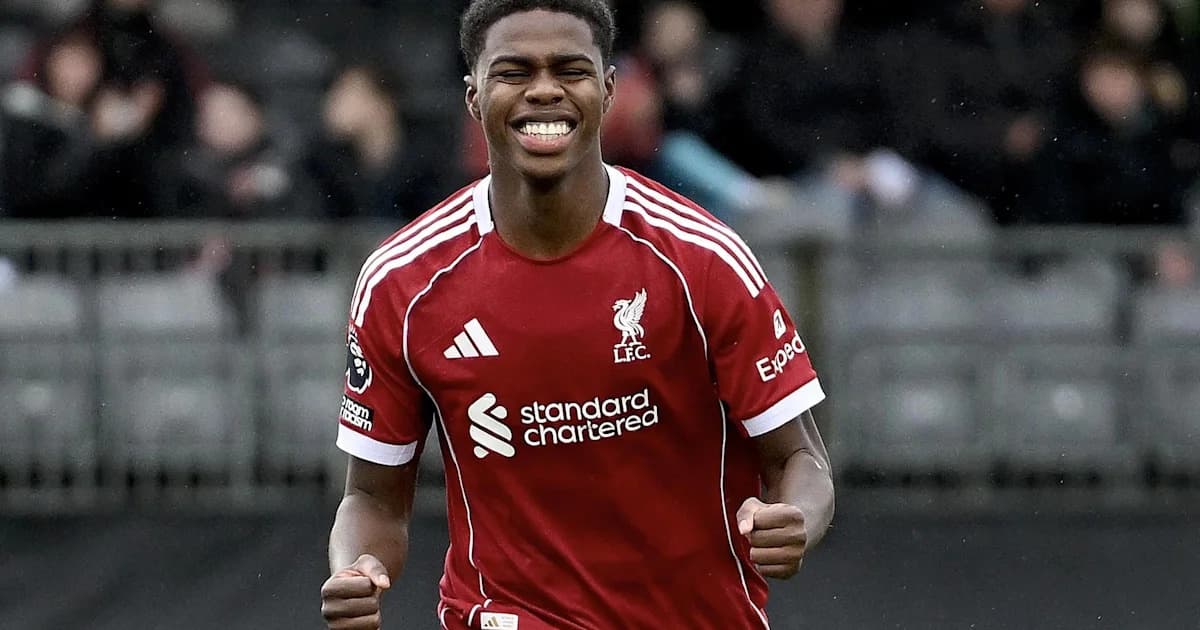
Iraola shuffled his pack with three changes – Kostas Tsimikas, Ryan Gravenberch and Victor Munoz in for Milos Kerkez, Alexis Mac Allister and Rio Ngumoha – but the rhythm never settled. Fulham were sharper early on and nearly capitalised when a mix-up between Alisson and Gravenberch left Gonzalo Garcia with a chance that Jeremy Jacquet had to hack off the line.
Josh King forced a save from Alisson, Antonee Robinson headed wide, and Liverpool’s control felt fragile. At the other end, Munoz drew a strong stop from Bernd Leno and a Barcola volley flicked behind off Timothy Castagne, but it was all sporadic, never sustained.
Tsimikas struggled and was hooked at half-time for Kerkez. By the hour Gravenberch and Munoz had gone too, replaced by Mac Allister and Cody Gakpo as Iraola tried to jolt the game awake. Isak finally carved an opening only to see Leno deal with it comfortably. Dominik Szoboszlai’s powerful drive brought another good save.
Changes kept coming – Ngumoha and Jeremie Frimpong in the 72nd minute – but not the breakthrough. Deep into added time, Isak headed wide from a corner and Fulham, who still threatened through late chances for King and Kevin, walked away with their first point of the season and a sense of vindication.
Liverpool walked away with a question: how do you play this way twice a week without breaking?
Learning on the run
This is the test now facing Iraola. His football is built on intensity, on repeated sprints, on aggressive pressing and vertical attacks. It dazzled against Atletico. Three days later, it looked like a strain.
“It is still early,” runs the line from inside the camp. And it is. But the reality is also stark: with at least seven more Champions League games guaranteed and the Carabao Cup starting against top-flight opposition, Liverpool are already in the part of the season where adaptations have to be made.
Iraola knows it. He said it himself: “We are learning.”
He has to discover, quickly, which players can handle the three-day churn and which need to be protected. Who can be trusted to go again against Tottenham, and who must sit to be ready for the weekend. Every selection now carries a trade-off.
Liverpool’s history in this competition says the club expects a serious tilt at the trophy. The league table and the heavy legs suggest rotation is non-negotiable. Somewhere between those two truths, Iraola has to find a line-up that wins.
The next step in that journey comes under the Anfield floodlights on Tuesday night. Another cup run, or an early lesson in just how brutal this job can be?