Iraola's Champions League Decisions: Chiesa and Endo Left Out
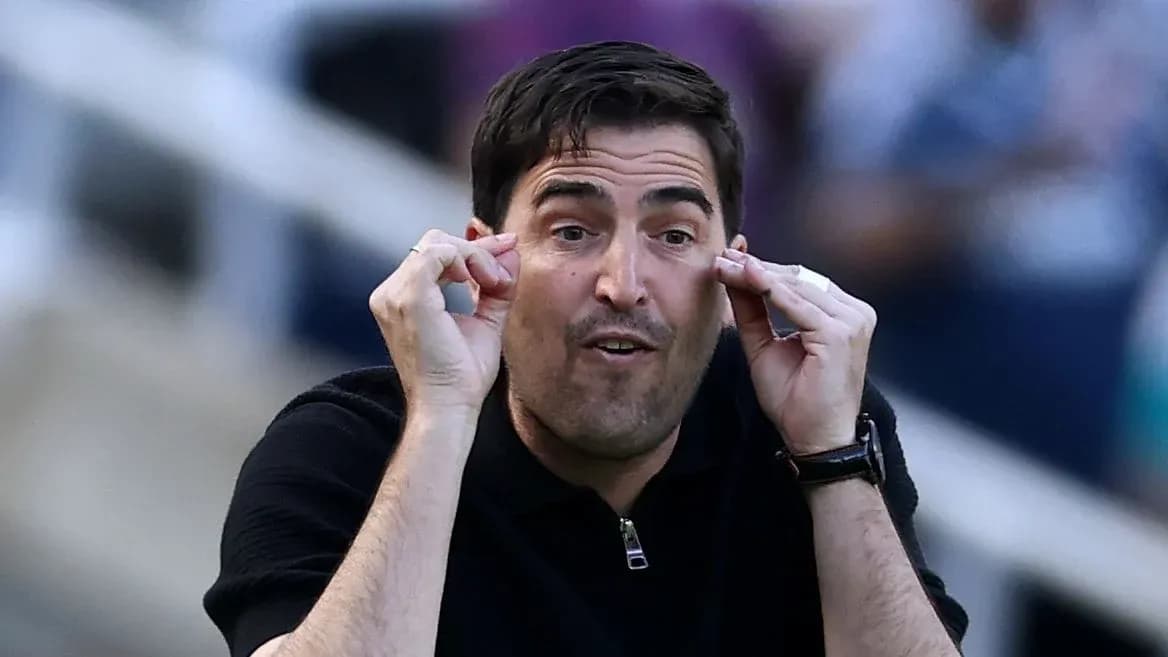
Andoni Iraola has not wasted time showing where the fault lines lie in his new Liverpool squad. Before a ball has even been kicked in Europe, two senior internationals have been pushed to the margins.
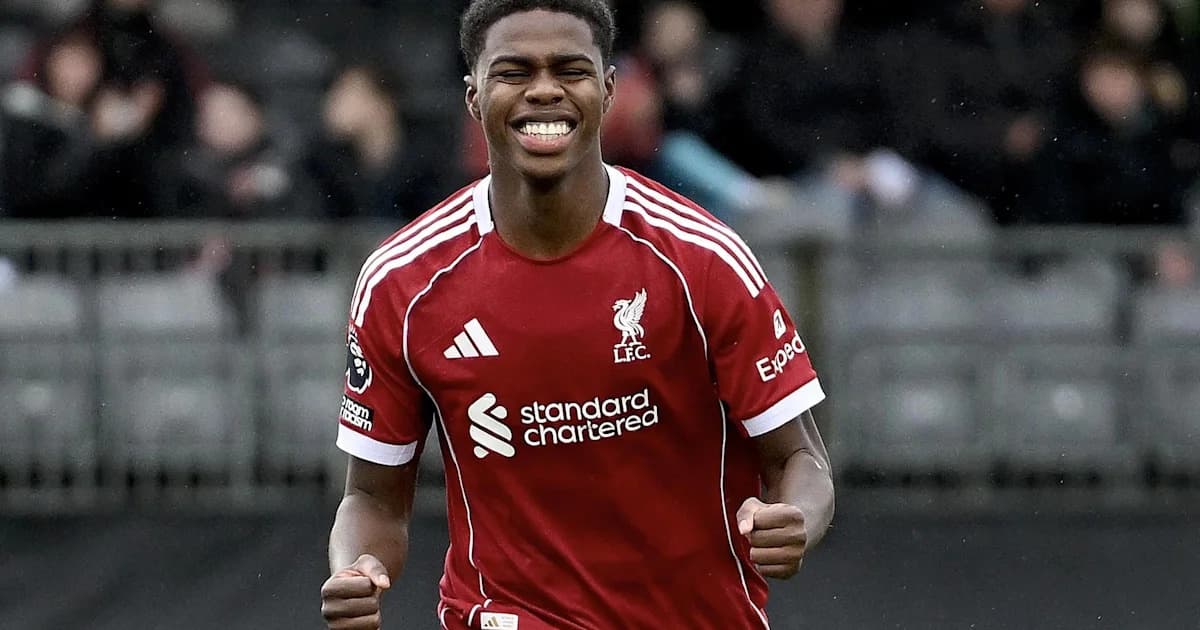
Federico Chiesa and Wataru Endo are out of Liverpool’s 25-man Champions League squad for the 2026-27 campaign. Not injured-list exemptions. Not late registrations. Out.
Iraola draws his Champions League line
The decision arrived with the formal squad submission ahead of Liverpool’s opener against Atletico Madrid on September 9. On paper, it is a story of UEFA quotas and registration rules. In reality, it is a sharp, early statement from a manager unafraid to cut against sentiment.
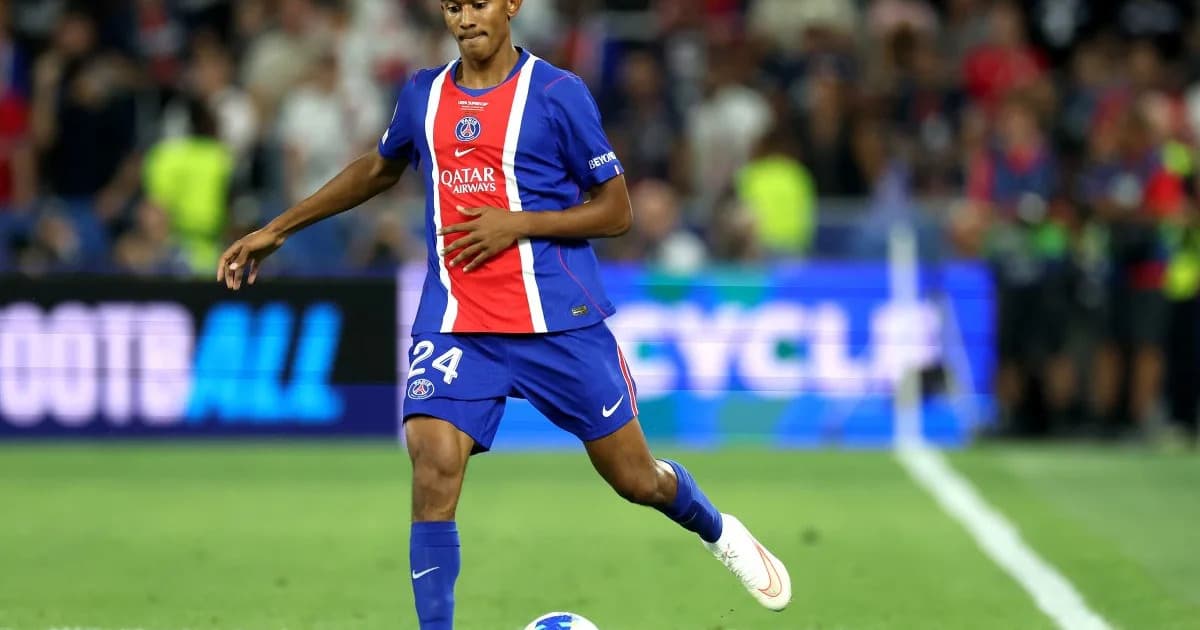
UEFA rules cap the number of non-locally trained players on List A at 17. Iraola chose to spend those slots on £123 million signing Bradley Barcola, fellow summer recruit Victor Munoz, and even Hugo Ekitike, who is currently injured.
That last choice says plenty. An unavailable forward, seen as part of the club’s long-term European plan, makes the cut. Chiesa and Endo do not.
Carragher’s blunt verdict
Jamie Carragher did not bother with soft landings when he discussed the situation on The Overlap.
“Liverpool have got two players in the squad who are never going to play,” he said. “And there are all these quotas, you can only have 17 players and all that. They have got Chiesa and Endo. It’s like they are never going to kick a ball.”
For Endo, the criticism went even further. Carragher questioned why the Japan international was still at the club after a summer of reshaping.
“Endo should have been moved on,” he added. “He has done great, a bit of a cult hero.”
Those words cut to the heart of the matter. Endo has earned respect and affection on Merseyside, but respect does not guarantee minutes under a new regime. Not when the numbers are this tight and the tactical vision this clear.
Two careers stuck in neutral
The numbers from last season underline how far both players have slipped from the centre of Liverpool’s plans.
Endo, once a regular stopgap and fan favourite, saw his Premier League involvement shrink to just eight appearances. In the Champions League, he featured only once. From trusted option to fringe figure in the space of a year.
Chiesa’s story is different but no less stark. His Liverpool career has been a stop-start saga of setbacks, repeatedly interrupted by fitness issues. At 28, he should be in his peak years. Instead, he is nursing another muscle problem and watching the European door close, at least for now.
The club does not consider his current injury long term. That makes Iraola’s call even more revealing. Long-term absentees Conor Bradley and Giovanni Leoni have been registered ahead of a player edging back towards fitness. That is not just a medical judgement. It is a hierarchy.
Both Chiesa and Endo remain tied to Liverpool for the long haul on paper, with contracts running until 2027 and 2028 respectively. On the pitch, their roles have rarely felt more uncertain.
Domestic scraps while Europe moves on
Liverpool’s immediate focus is domestic. Ipswich Town visit Anfield on Friday, a fixture that may offer minutes to those on the outside looking in. After that, the lights get brighter and the stakes higher.
Atletico Madrid arrive to launch a league phase that drags Liverpool across the continent, with testing away trips to Inter and Fenerbahce already looming on the schedule. Iraola’s European group is set. His trusted core is clear.
For Chiesa and Endo, the horizon looks very different. Their season, at least in Europe, has been reduced to a waiting game. Domestic cup ties. Possible league cameos. Training-ground battles to change a manager’s mind.
UEFA rules do allow for changes later in the competition if injuries bite deep enough. That is the thin opening that remains. A late twist, born of necessity rather than design.
Until then, Liverpool will march into Europe without them, and two established internationals will be left to ponder a brutal question: in Iraola’s Liverpool, are they part of the future, or already relics of a fading past?