Ireland's Bid for 2029 Women's Champions League Final Falls Short
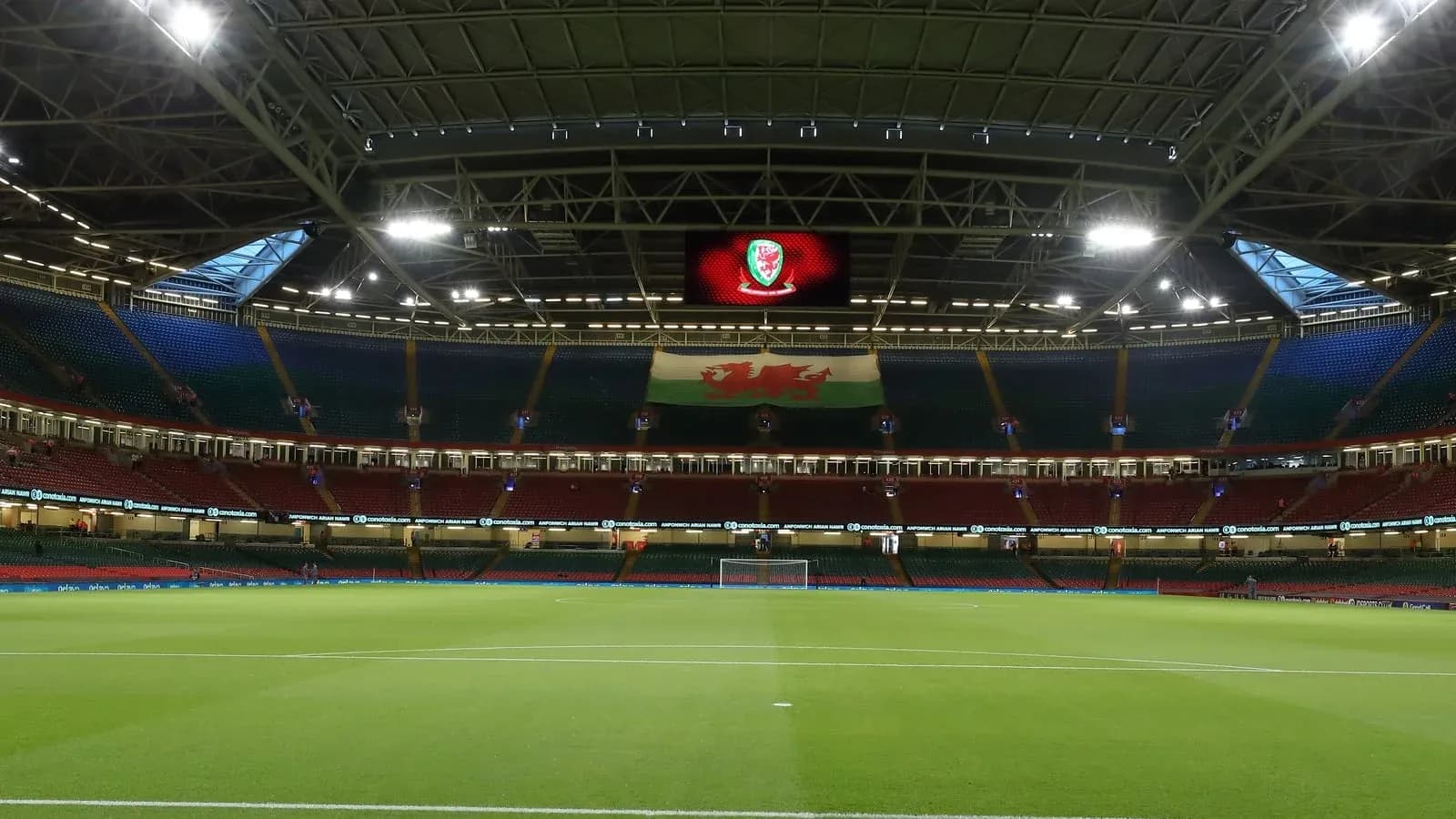
Ireland’s hopes of staging one of the showpiece events in the women’s game have been dashed, with UEFA handing the 2029 Women’s Champions League final to Cardiff’s Principality Stadium ahead of Dublin’s Aviva Stadium.
The decision was confirmed after a meeting of UEFA’s executive committee on Tuesday, where the host venues for several major finals were signed off.
Cardiff lands the prize, Dublin left waiting
The Aviva had been in a four-way battle to host the 2029 final, up against Cardiff, Parc Olympique Lyonnais in France and Basel’s St Jakob-Park. Dublin’s case was strong: a proven major-event venue with the men’s Europa League finals in 2011 and 2024 already on its CV, and seven games coming at Euro 2028.
This time, it wasn’t enough. Wales edged it.
For the FAI, it is a setback in a carefully built strategy to bring more elite women’s football to Ireland. For Welsh football – and for Limerick native Noel Mooney, now chief executive of the Football Association of Wales – it is a landmark win.
FAI CEO David Courell struck a diplomatic tone, offering congratulations to the FAW and gratitude to UEFA for the feedback on Ireland’s bid. He stressed that the push to host the final formed part of the association’s wider drive to grow women’s and girls’ football, pointing to record participation and rising numbers of female coaches, officials, administrators and volunteers.
On the other side of the Irish Sea, Mooney framed Cardiff’s success as a springboard rather than a standalone showpiece.
“This is about much more than one night in 2029,” he said, setting out the FAW’s ambition for the final to act as a catalyst for the “continued transformation” of the women’s and girls’ game in Wales. He highlighted what he called “incredible progress”: more than 20,000 women and girls playing, a strengthening domestic structure through the Adran Leagues, and a Cymru side that has now experienced major-tournament football. Bringing the final to Wales, he argued, offers another chance to accelerate that rise.
Major finals mapped out: Munich, Barcelona, Lyon
UEFA also locked in the destinations for other blue-riband events. The Men’s Champions League finals in 2028 and 2029 will go to two giants of the European game: Munich’s Allianz Arena and Barcelona’s Nou Camp.
On the women’s side, the 2028 Champions League final will be staged at Parc Olympique Lyonnais in Lyon, a fitting backdrop given the city’s deep association with the women’s game through Olympique Lyonnais Féminin.
Nations League shake-up hits home for Ireland
Away from the glamour of finals hosting rights, UEFA’s executive committee signed off on significant changes to the UEFA Nations League format from the 2026/27 cycle, with direct consequences for the Republic of Ireland.
From 2028/29, the competition will slim down to three leagues instead of four, with League D scrapped entirely. All current League D teams will move up to League C, and the overall structure will be rebuilt into three leagues of 18 teams.
Each league will be split into three groups of six, with teams playing six matches against five different opponents: home or away against sides from different seeding pots, and home and away against the team drawn from their own pot.
For Ireland, the immediate impact is in the safety net now built into League B. If the Boys in Green finish bottom of their Nations League group in League B this year, they will no longer be relegated automatically. Instead, they will enter a play-off to try to preserve their status.
Ireland open their campaign against Kosovo on Thursday, 24 September, with Israel and Austria completing the group. Every point will matter, but the new system ensures that even a last-place finish offers one final lifeline.
How the new promotion and relegation battles will work
The revised format introduces layered play-offs between the leagues.
- The two lowest-ranked third-placed teams from League A and the two highest-ranked fourth-placed teams from League A will join the four runners-up from League B in play-offs.
- The four winners of those A/B ties will play in League A; the four defeated sides will compete in League B.
- The four group winners of League B will be promoted directly to League A.
- The two lowest-ranked fourth-placed teams in League A will be relegated to League B.
- The four fourth-placed teams from League B will face the four runners-up from League C in play-offs.
- The four winners of those B/C ties will play in League B; the four defeated teams will line up in League C.
- The four group winners of League C will be promoted to League B.
Once the dust settles, the Nations League will present a tighter, more competitive ladder: three 18-team leagues, more jeopardy, more play-offs, and fewer dead ends.
The next chapter in this reshaped landscape will be plotted in Belfast, where the UEFA Executive Committee meets again on 7 December – one day after the Euro 2028 qualifying draw takes place in the same city. Ireland may not have secured the final they wanted, but the decisions made in those rooms will help define the stage on which they must now fight.