Ireland's Controversial Nations League Matches Against Israel
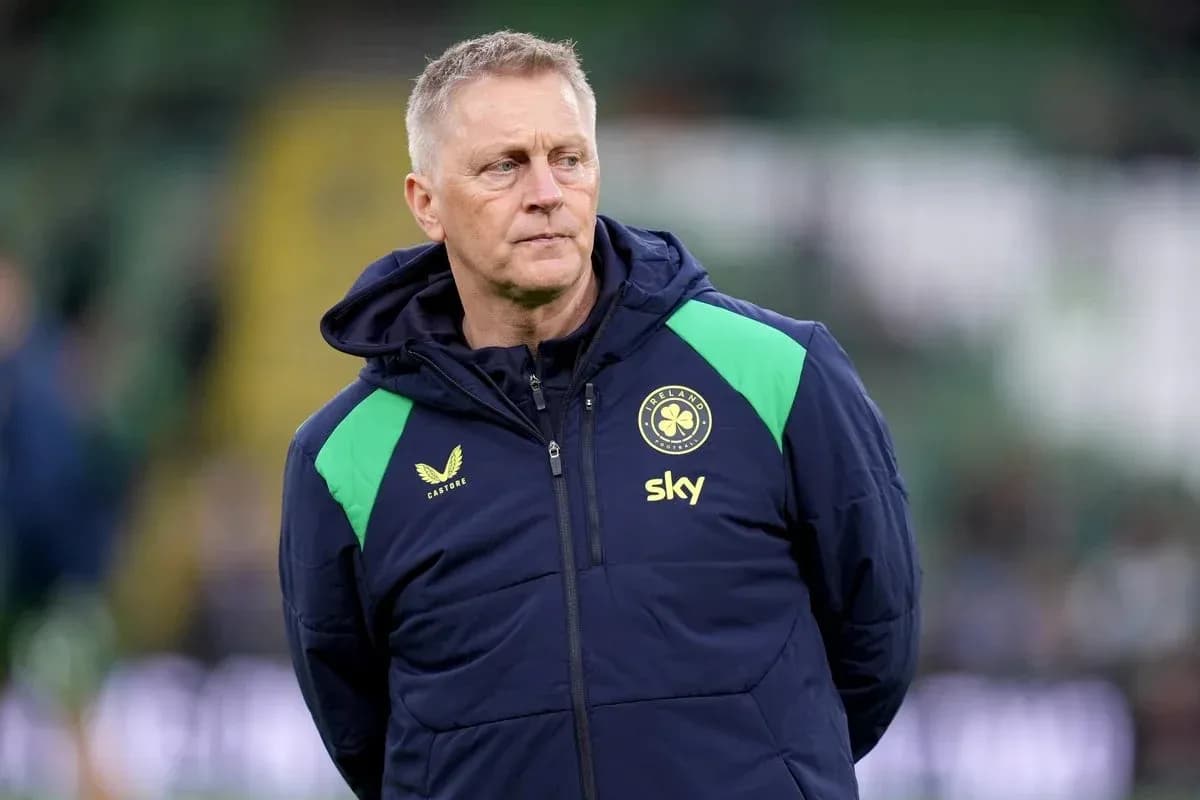
The Republic of Ireland’s upcoming Nations League meetings with Israel were already politically charged. One phrase from Heimir Hallgrimsson lit the fuse.
The Ireland head coach, speaking after naming his squad, admitted that “none of us feel comfortable playing in these games” amid growing calls at home to boycott the fixtures. Asked how his players could focus in that climate, he replied: “We’re not playing with genocide, we’re playing against genocide. We’re playing against Israel, we’re not playing with Israel.”
Those words did not drift quietly into the background. They detonated in Tel Aviv.
Israel FA hits back
On Monday night, the Israel Football Association issued a blistering response on social media, accusing Hallgrimsson of “hypocrisy and stupidity”.
“We have contributed to the world and humanity in countless fields, earning an impressive number of Nobel Prizes along the way,” the statement read. “Unfortunately, we have not yet found a cure for stupidity, ignorance and hypocrisy displayed by @IrelandFootball team coach. We're not playing with ignorance, hypocrisy and stupidity, we're playing against the coach who embodies them.”
The Football Association of Ireland has so far declined to respond publicly to the attack on their manager.
The row comes against the backdrop of Israel’s ongoing war in Gaza and fierce international argument over the conduct of the campaign. The Israeli government has repeatedly rejected accusations of genocide since its retaliation to the October 7 attacks almost three years ago, when about 1,200 people were killed by Hamas and 250 taken hostage. More than 70,000 Palestinians have since been killed in Gaza, according to figures cited by the United Nations.
Games go ahead – but not on home soil
Ireland and Israel have been drawn together in the same Uefa Nations League group, with a double header scheduled for later this year. Despite mounting pressure from campaigners, the FAI has confirmed it will fulfil both fixtures.
The games will not be played in either Dublin or Israel. Citing security concerns, Uefa has moved them to neutral venues in Hungary and Serbia, with the first match set for 27 September in Hungary.
The FAI has argued that refusing to play would carry a “profound impact on the whole of Irish football”. Forfeiting points in the Nations League could damage Ireland’s prospects of qualifying for Euro 2028 – a tournament they will co-host – and future World Cups.
The association also points to its own attempts to act through official channels. Last November it wrote to Uefa calling for the immediate suspension of the Israel FA, and has since asked European football’s governing body to ensure Ireland and Israel are kept apart in future draws. That request was rejected, the FAI says, on the grounds that the two countries have “never been in direct conflict”.
A Uefa spokesperson underlined the organisation’s stance: decisions to keep certain teams apart are taken case by case, with “structural risks for security” central to the assessment. Each situation, the spokesperson said, is handled “very carefully on its own merits” as Uefa tracks developments.
Pressure builds at home
If Uefa has drawn its line, the debate in Ireland is still raging.
More than 160 Irish sportspeople have signed an open letter from the Irish Sport for Palestine Group urging the FAI to rethink and refuse to play Israel. “This is a significant moment and with this moment you have an opportunity to do the right thing,” the letter states. “Not playing the game would be the most sporting thing you could do.”
Former Republic of Ireland international Kevin Kilbane has joined the chorus. Writing in the Irish Times, he insisted: “Ireland should not be playing Israel. Not in Dublin, not in Hungary, and definitely not a ‘home’ match in Serbia. Not while Israeli forces are committing genocide.
“We as Irish people could have faced down the consequences together. The FAI would have had my support as a former international.”
On Monday evening, a group of protesters gathered outside the Ireland team’s hotel in Dublin, again calling on the FAI to overturn its decision and boycott the fixtures.
A football tie in the eye of a storm
What began as a Nations League pairing has become something far larger: a collision of sport, politics and conscience, with Hallgrimsson’s stark language pulling the Irish camp directly into the centre of the storm.
The matches will, for now, go ahead on neutral ground. The arguments around them will not be so easily contained.