Italy's Youngest Squad: A Historic Reset Under Mancini
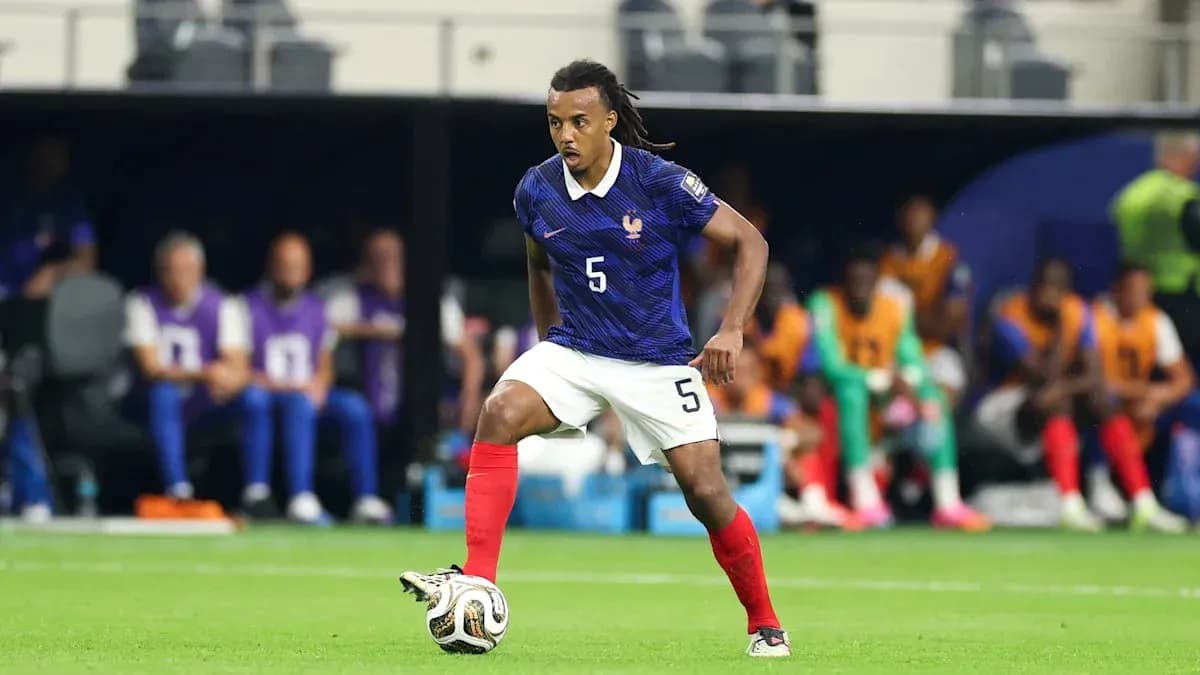
Roberto Mancini has ripped up another page of Italian tradition. This November, as France and Belgium loom in the Nations League, Italy will take the field with the youngest squad the country has ever assembled.
Not just young. Historically young.
The 31-man group named last week carries an average age of 24 years and 171 days once two of its most eye-catching inclusions – 17-year-old Riccardo Cassano and 18-year-old Simone Lontani – are taken out of the equation. Include them, and the picture becomes even more striking: this is a generational reset in real time.
A revolution in boots, not in theory
Mancini has talked about trusting youth before. This time, he has doubled down with names that barely exist yet in the professional game.
Cassano, still waiting for his competitive debut at Como, and Parma’s Lontani will train with the senior side only briefly before dropping back to the U18 and U19 squads to chase minutes during the break. Their presence is symbolic as much as practical: two teenagers pulled into the inner circle, invited to feel the weight of the shirt, then sent back to carry that experience into the age groups below.
Even when they return to their youth teams, the message remains on the squad list: Italy is building around a new core, not just sprinkling in prospects.
Teenagers at the heart of it
Strip out Cassano and Lontani and the numbers still jar. This is officially Italy’s youngest-ever senior squad, and it looks it.
Teenage defenders Honest Ahanor (18), Matteo Palma (18) and Mattia Liberali (19) headline the new wave. They are joined by Alphadjo Cisse (20), Pio Esposito (21) and Marco Palestra (21), players already entrusted with serious club responsibility across Serie A and the Premier League.
Cisse has been one of the clearest signals of this shift. The 20-year-old forward, thriving at AC Milan, recently celebrated his first goal against Bologna at San Siro, a moment that felt like a preview of what Mancini now expects him to deliver in blue. Esposito and Palestra, both 21, carry the same brief: energy, vertical runs, no fear.
Around them, the names tell their own story. Michael Kayode at Brentford, Giorgio Scalvini at Atalanta, Daniele Ghilardi and Niccolò Pisilli at Roma – all players groomed in a modern, high-intensity club environment, all now thrown into a national team that suddenly looks far closer in age to an U21 side than to the traditional Azzurri old guard.
Veterans by default
The contrast is brutal. At 30, Guglielmo Vicario is the elder statesman of this Italy. The Juventus goalkeeper, once the fresh face in the group, now finds himself as the senior reference point in a dressing room packed with players who grew up watching his early Serie A seasons.
Nicolo Barella, still only 29, is the second-oldest name on the list. He carries the weight of a veteran without the years you would usually associate with the role. Federico Gatti and Federico Dimarco, both 28, complete a leadership bracket that would have been considered “prime age” in most previous Italy cycles. Here, they are the ones with stories to tell, the ones who have felt the pressure of a major tournament and the grind of Champions League campaigns.
It is a strange inversion: the supposed middle generation has become the spine, while the rest of the squad looks like a trial run for the next decade.
The squad that will face France and Belgium
Mancini’s choices for the Nations League dates with France on Thursday and Belgium on Sunday underline how committed he is to this direction.
- Goalkeepers: Marco Carnesecchi (Atalanta), Gianluigi Donnarumma (Manchester City), Guglielmo Vicario (Juventus)
- Defenders: Honest Ahanor (Crystal Palace), Alessandro Bastoni (Inter), Riccardo Calafiori (Arsenal), Federico Dimarco (Inter), Federico Gatti (Juventus), Daniele Ghilardi (Roma), Michael Kayode (Brentford), Marco Palestra (Chelsea), Matteo Palma (Udinese), Giorgio Scalvini (Atalanta)
- Midfielders: Nicolò Barella (Inter), Riccardo Cassano (Como), Issa Doumbia (Sporting CP), Nicolò Fagioli (Fiorentina), Davide Frattesi (Lazio), Simone Lontani (Parma), Niccolò Pisilli (Roma), Samuele Ricci (Como), Alessandro Romano (Cagliari), Sandro Tonali (Tottenham)
No nostalgia picks. No late-career cameos. The selection reads like a blueprint, not a stopgap.
A new Italy, under the anthem’s glare
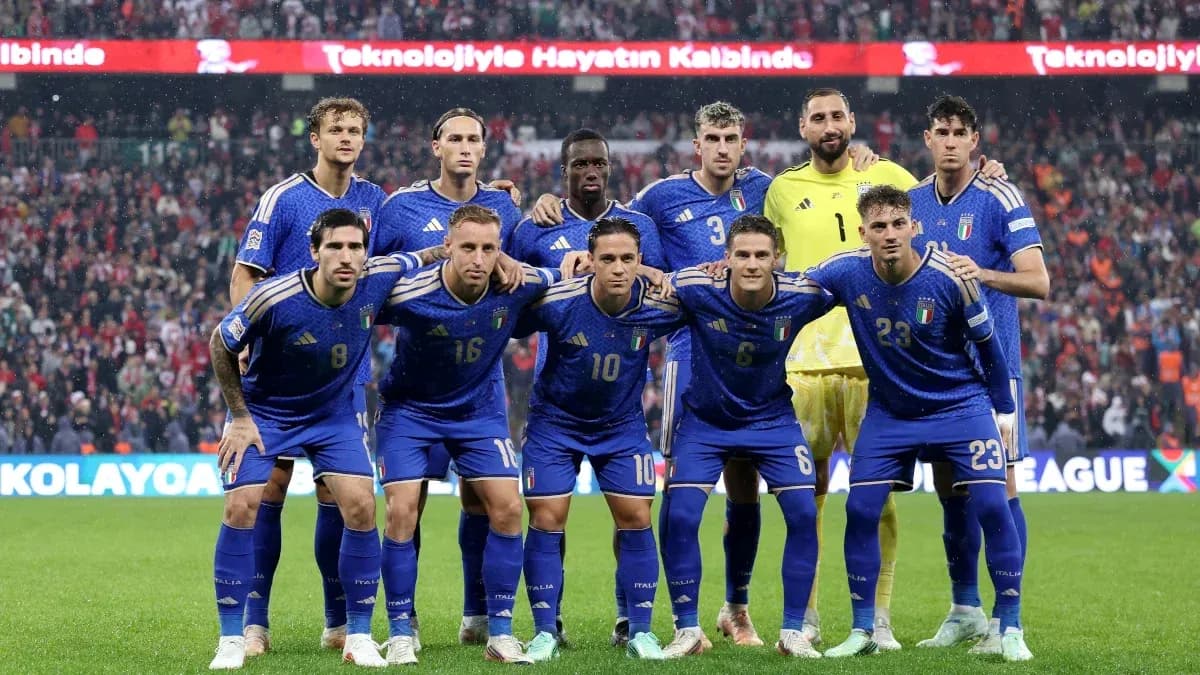
In Bologna last month, under the lights of Renato Dall’Ara, Mancini stood for the anthem with a group that already looked younger, already sounded different. This November, that feeling will harden into reality. When Italy line up against France and Belgium, the average age will not just be a statistic; it will be visible in every sprint, every risk taken on the ball, every mistake made at full speed.
This is the bet: that the pain of inexperience now will pay off in resilience later, that exposing teenagers and early twenty-somethings to elite opposition will forge a core capable of carrying Italy through the next World Cup cycle and beyond.
The question is no longer whether Mancini is ready to trust youth. The list is out, the plane tickets are booked, and the youngest Italy in history is about to be tested against two of Europe’s heaviest hitters.
Now we find out if this bold reset marks the start of a new era—or a gamble that arrives one tournament too soon.