Moses Itauma vs Filip Hrgovic: A Heavyweight Showdown
For eight rounds at the sold-out O2, it looked like a coronation, not a contest.
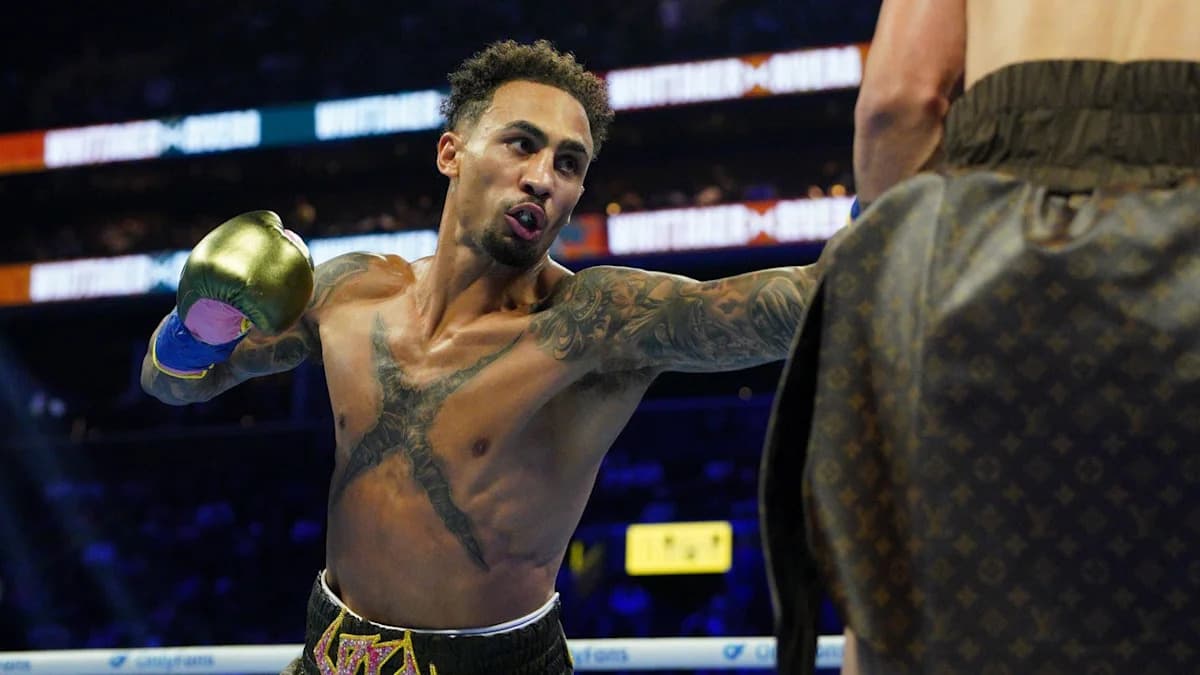
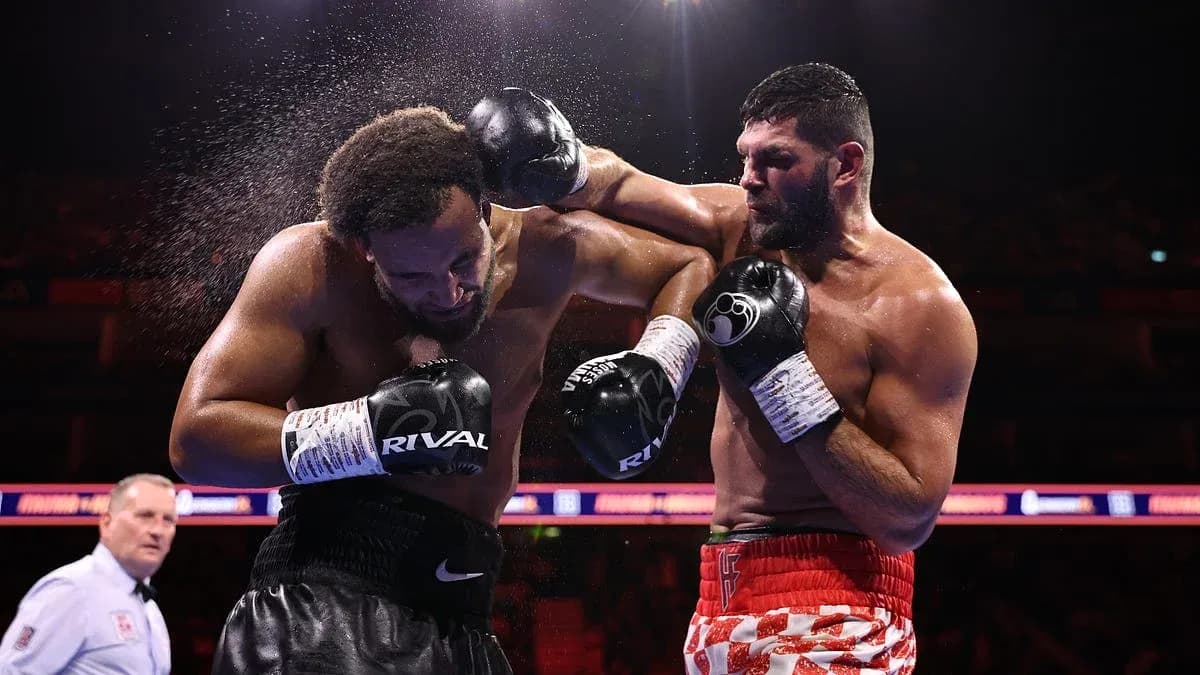
Moses Itauma, the 21-year-old heavyweight prodigy billed as the next great force of the division, boxed as if he were fast-forwarding to history. He floored Filip Hrgovic in the second round, dictated the tempo with a glaring speed advantage, and seemed to be gliding toward the vacant IBF heavyweight title.
At 21, he stood on the brink of becoming the second-youngest heavyweight world champion ever, trailing only Mike Tyson’s iconic 1986 breakthrough at 20. He was also chasing a place in British boxing history as the third-youngest Briton to win a world title in any weight class. For eight rounds, that storyline felt inevitable.
Then the fight turned.
Hrgovic arrived in London all week talking like a man who knew something the rest of the room didn’t. He backed it up on the scales, too, coming in at 236.2 pounds — his lightest since 2019 — and looking every bit like a veteran who had prepared for a long, hard night rather than a showcase for the young favorite.
He needed every ounce of that preparation.
Dropped in the second round, cut over the right eye, and tagged repeatedly by Itauma’s sharp, rapid-fire shots, Hrgovic refused to fold. He leaned on the things that don’t show up on the tale-of-the-tape graphics: a stubborn heart, an iron chin, and the kind of ring craft that only comes from a decade in the pros and a deep amateur pedigree, capped by a 2016 Olympic bronze medal for Croatia.
Itauma, by contrast, entered with dazzling promise but limited miles. Just 31 professional rounds in the bank. Never past the sixth. Never in with anyone close to the level of a seasoned world contender. For half a fight, his talent papered over that inexperience.
Then the clock, and Hrgovic, began to close in.
As the rounds ticked into the second half, the dynamic shifted. Itauma’s work rate dipped. His feet slowed. The snap in his punches softened. The young phenom who had been cruising suddenly looked like what he was: a gifted but green fighter in unknown territory.
Hrgovic, still upright, still pressing, had achieved the first part of his plan. He had dragged the 21-year-old into deep water. Now he set about drowning him.
The older man’s pressure grew more insistent. He walked Itauma down, made him work at uncomfortable moments, and forced exchanges that sapped the last of the youngster’s reserves. Every clean shot Itauma had landed earlier now came at a heavier physical price. The cut above Hrgovic’s eye, the early knockdown — they became footnotes rather than turning points.
The pressure finally told in the ninth.
With Itauma utterly spent, Hrgovic seized his moment, pouring on a barrage that the younger man could no longer evade or absorb. The finish was dramatic and brutal, a ninth-round knockout that flipped the script on a fight many thought was already written.
The arena that had roared for a new champion now watched in shock as Itauma, exhausted and beaten, left the ring on a stretcher and was taken to hospital as a precaution. The favorite, the future, had been given a harsh lesson in the present.
Hrgovic left with the IBF heavyweight title and the satisfaction of a plan perfectly executed. He had been behind, outsped, and hurt — but never broken. In the end, experience, conditioning, and sheer resolve overruled youth and expectation.
For Itauma, the night that was supposed to launch a new era instead underlined an old truth of heavyweight boxing: talent can open the door, but only toughness, patience, and seasoning keep you standing when the deep water closes in.