Jack McDonagh: Remembering the Republic of Ireland Defender
Jack ‘Jacko’ McDonagh, the rugged centre half who rose from Dublin schoolboy football to the Republic of Ireland senior team and League of Ireland glory, has died at the age of 64, Shamrock Rovers announced on Monday.
A defender of old-school conviction and presence, McDonagh earned three senior caps for Ireland under Eoin Hand between 1983 and 1984, a period that crowned a domestic career packed with medals and respect. He stepped onto the international stage at Dalymount Park in 1983, making his debut in an 8-0 win over Malta, a night when Ireland cut loose and McDonagh joined the elite ranks of those to wear the green at senior level.
From Donnybrook to Dalymount, his rise was steady, not sudden. He began with the Shelbourne youths before crossing the city to Bohemians, where his promise hardened into something more substantial. In the 1981-82 season he was named PFAI Young Player of the Year, a clear marker that this was a defender destined to stand out in a league not short on tough centre halves.
Across three seasons with the Gypsies, McDonagh clocked up 60 appearances, anchoring their back line and catching the eye of Shamrock Rovers. The move south would define his career.
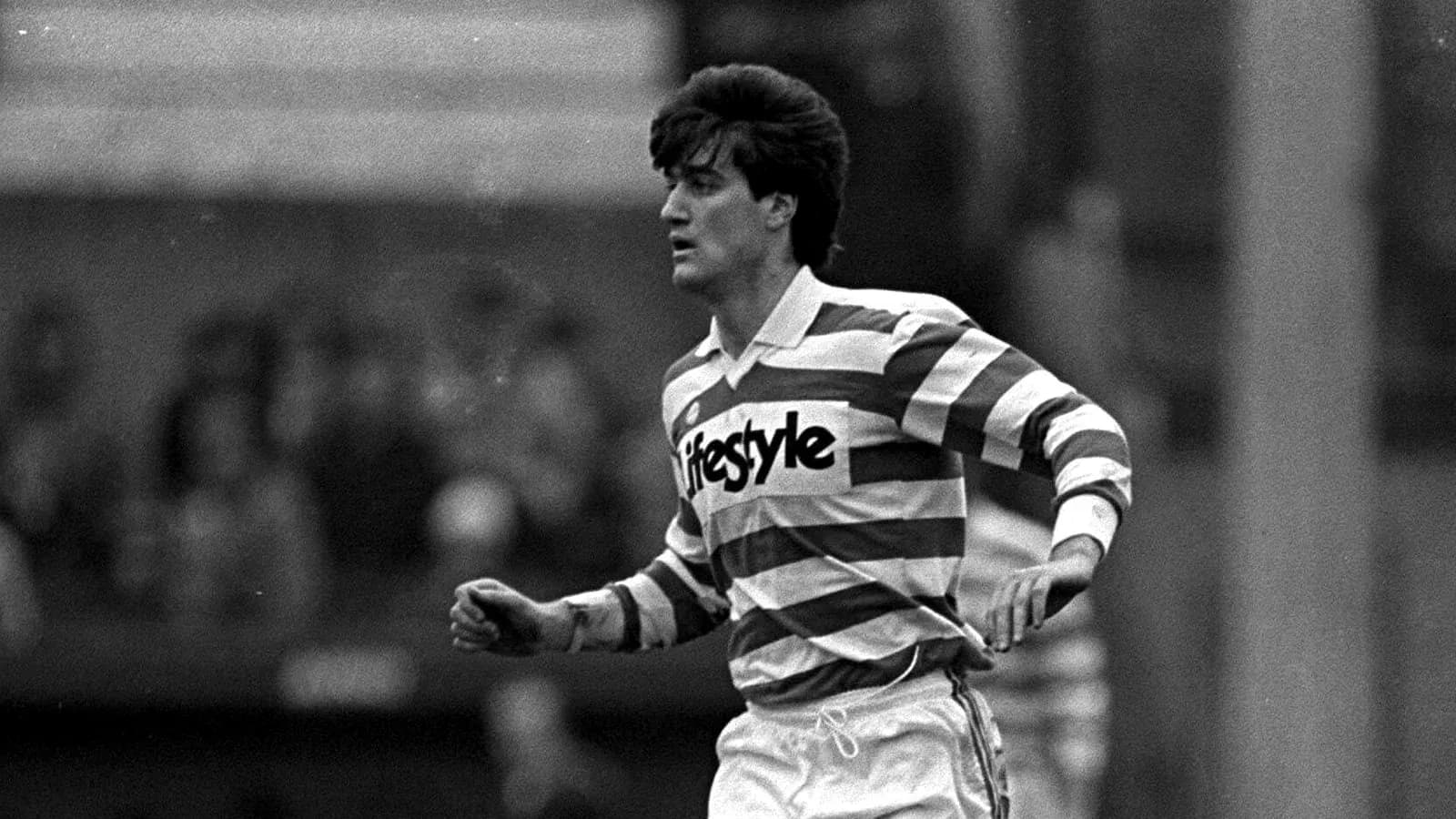
At Rovers, he became part of history. McDonagh played in the famed four-in-a-row side during the 1983/84 and 1984/85 campaigns, a golden era for the Hoops. The 1984/85 season brought the league and FAI Cup double, the kind of season players spend their lives chasing. McDonagh was there for it, in the heart of the defence, as Rovers dominated the domestic scene.
His performances at club level dovetailed with his international breakthrough. While the Ireland team of that era never reached a major tournament, pulling on the shirt under Hand, even briefly, placed McDonagh among the select few who bridged the gap between the domestic league and the international game.
Ambition took him abroad at the end of that 1984/85 double-winning season. McDonagh left Rovers for French side Nimes Olympique, stepping into continental football before later spells with Derry City and Belgian club KSV Waregem. For an Irish defender of that time, it was a bold route: from League of Ireland strongholds to France and Belgium, testing himself in different football cultures.
News of his passing prompted warm tributes from across the Irish game. The FAI said they were deeply saddened by his death, describing him as a popular figure in Irish football who enjoyed success in the League of Ireland and would be greatly missed.
For those who watched him patrol the penalty area in green and white hoops, or in the red and black of Bohemians, McDonagh’s legacy sits in more than medals and caps. It lives in the memory of a defender who embodied the domestic game at a time when it demanded resilience, loyalty and no little talent.