Japan's World Cup Exit: Saki Hayashi's Injury Overshadows Defeat
Japan’s World Cup dream ended in a 21-point defeat. That wasn’t what silenced the arena.
Hungary’s 84–63 win in a high-stakes clash sealed their passage to the quarterfinals and sent Japan home. Yet within seconds late in the second quarter, the scoreboard stopped mattering. All eyes fixed on Saki Hayashi.
A game stops on one possession
Just over a minute remained in the second quarter when Hungary’s Dorka Juhasz rose for a mid-range attempt. Japan snuffed it out, the shot blocked and the ball spilling loose. Rui Machida pounced, pushing the tempo in the way that has defined Japan’s fearless style at this tournament.
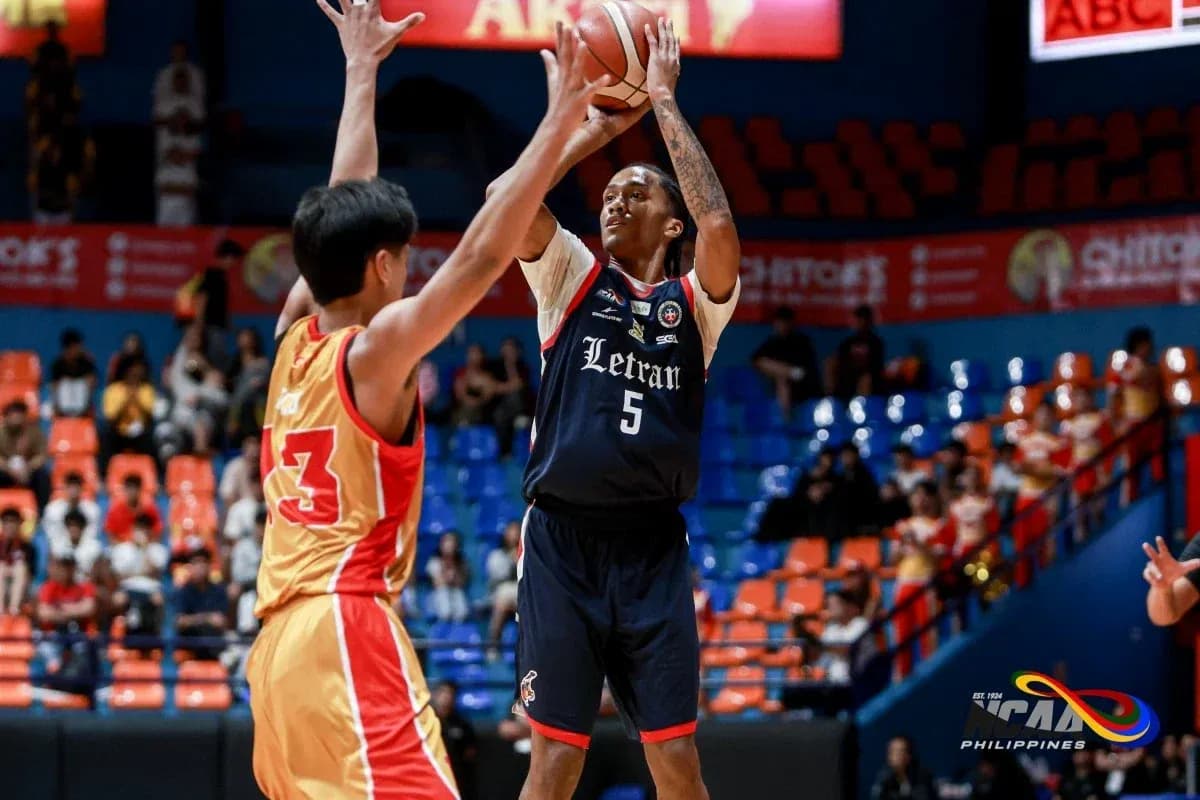
Head up, dribbling into space, Machida spotted Hayashi streaking up the right wing. The pass was sharp and on time, a dart into Hayashi’s shooting pocket. Guarded tightly by Agnes Torok, Hayashi rose for a two-point jumper.
The shot dropped. The whistle followed, Torok called for the foul. For a heartbeat, it looked like a classic Japan sequence: speed, precision, and a three-point play in the making.
Then Hayashi landed.
She came down awkwardly on her right arm and crumpled, immediately in distress. The arena’s noise vanished in an instant, replaced by a chilling hush. What had been a momentum swing on the scoreboard turned into something far more serious.
Hayashi lay motionless, clearly unable to continue. Teammates and opponents alike looked on in shock. Medical staff rushed in. A blue tarp went up around her, shielding the scene from view, as pockets of the crowd offered gentle, respectful applause while she was treated and then taken away.
From the stands to the benches, the mood shifted from tension to concern. This was no routine knock. It looked bad.
“Of course it’s emotional”
Japan head coach Corey Gaines had no update when he spoke after the game. The concern in his voice was clear, even as he stuck to the facts.
“I don’t know anything about her yet,” he said, via the Associated Press. “I saw what happened, but I don’t know what went on. She was gone by the time we got back from the court at halftime… so I don’t know.”
He did not hide how hard the moment hit his players.
“Of course it’s emotional when you see when the players go down like that,” Gaines said. “I was just trying to get their minds off of that, back onto the game. That’s tough though.”
Japan, already fighting to keep their World Cup hopes alive, suddenly had to carry the weight of a teammate’s serious injury as well. The task was brutal, mentally as much as physically.
Through a translator, veteran center Maki Takada explained the message in the locker room.
Gaines urged the team to rally around Hayashi, to play for her. “We all thought that as well, that we really just have to come together and do it for her, and it's a shame that we couldn't do it,” Takada said.
Japan never truly recovered their edge. Hungary pulled away, and with the final buzzer, Japan’s tournament ended in defeat and worry.
From record-breaker to heartbreak
The timing made it all the more cruel. Just days earlier, Hayashi had lit up the tournament, drilling a single-game record nine three-pointers in Japan’s opening win over Mali. Her shooting had stamped her name into the competition’s record books and underlined her status as one of the most dangerous perimeter threats in the field.
Now, instead of talking about her shooting clinic, the conversation revolved around slow-motion replays and medical speculation. Fans online reacted instantly, many convinced they had just witnessed a serious arm injury.
“That was some serious contact,” one fan wrote. Another called it “definitely a brutal arm break,” as social media filled with concern and worst-case scenarios.
One supporter suggested it looked like an elbow fracture or dislocation, describing the way Hayashi held her forearm for stability. None of that has been confirmed. For now, the only certainty is uncertainty, and a nation waits for clarity on the status of one of its Olympic silver medallists from the Tokyo 2020 Games.
What did cut through the noise was the tone of the messages.
“I hope it heals quickly and fully. I hope she'll be back on the court playing basketball again by this time next year,” one fan wrote.
“Wishing Saki Hayashi a smooth and speedy recovery, hoping she'll be back on the court soon,” added another, echoing the mood across the basketball community.
The result ended Japan’s campaign. The injury cast a shadow over it.
Hungary march on, USA await
While Japan processed a bitter exit, Hungary quietly celebrated one of their most complete performances of the tournament.
Réka Lelik delivered a near-perfect night. In just 27 minutes, she poured in 23 points, grabbed eight rebounds, and dished four assists. She shot 8-of-12 from the field, including 7-of-10 inside the arc, and went a flawless 6-of-6 from the free-throw line. She finished with an efficiency rating of 32, a plus-24 on the floor, and did not commit a single turnover.
It was the kind of composed, all-court display that drives deep runs at World Cups. Hungary’s ambition remains very much alive.
Their reward is as daunting as it gets: a quarterfinal showdown with Team USA. The Americans hold a perfect record in four previous meetings between the sides, and arrive as overwhelming favorites to lift yet another FIBA Women’s World Cup title.
Hungary, though, have earned their shot. They walk into that matchup battle-tested, confident, and with a star in Lelik playing the best basketball of her career.
Japan head home, their campaign defined in equal parts by Hayashi’s record-breaking brilliance and the sight of her leaving the floor under a tarp. Hungary move on to face the sport’s dominant force.
For one team, the next step is the ultimate challenge. For the other, everything now hinges on a different kind of recovery.