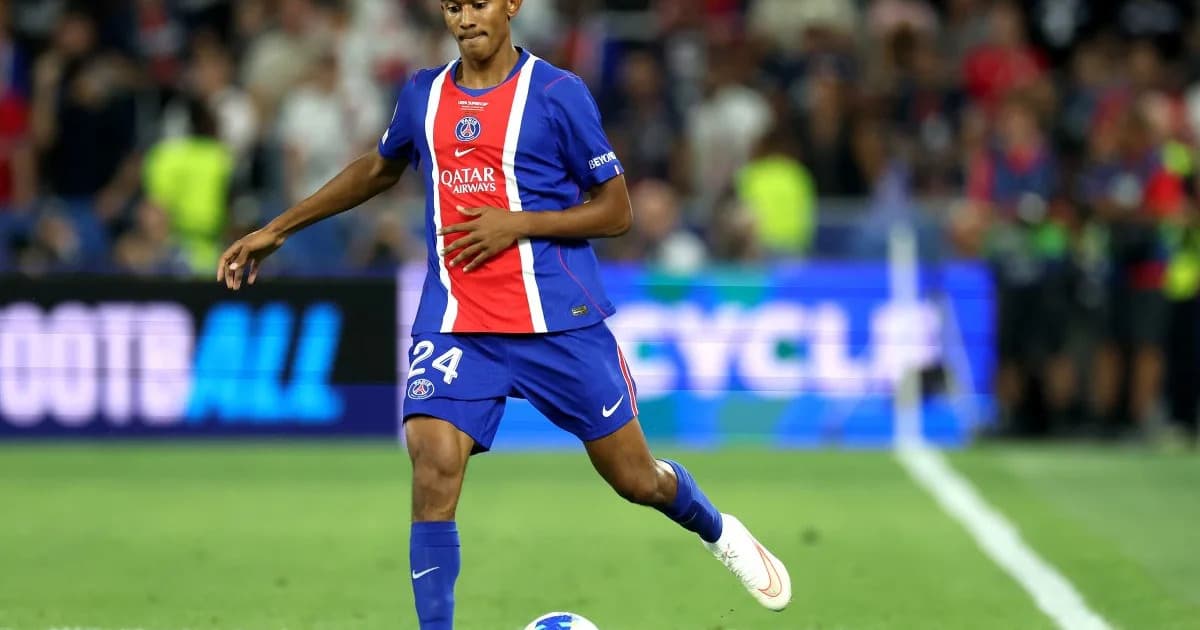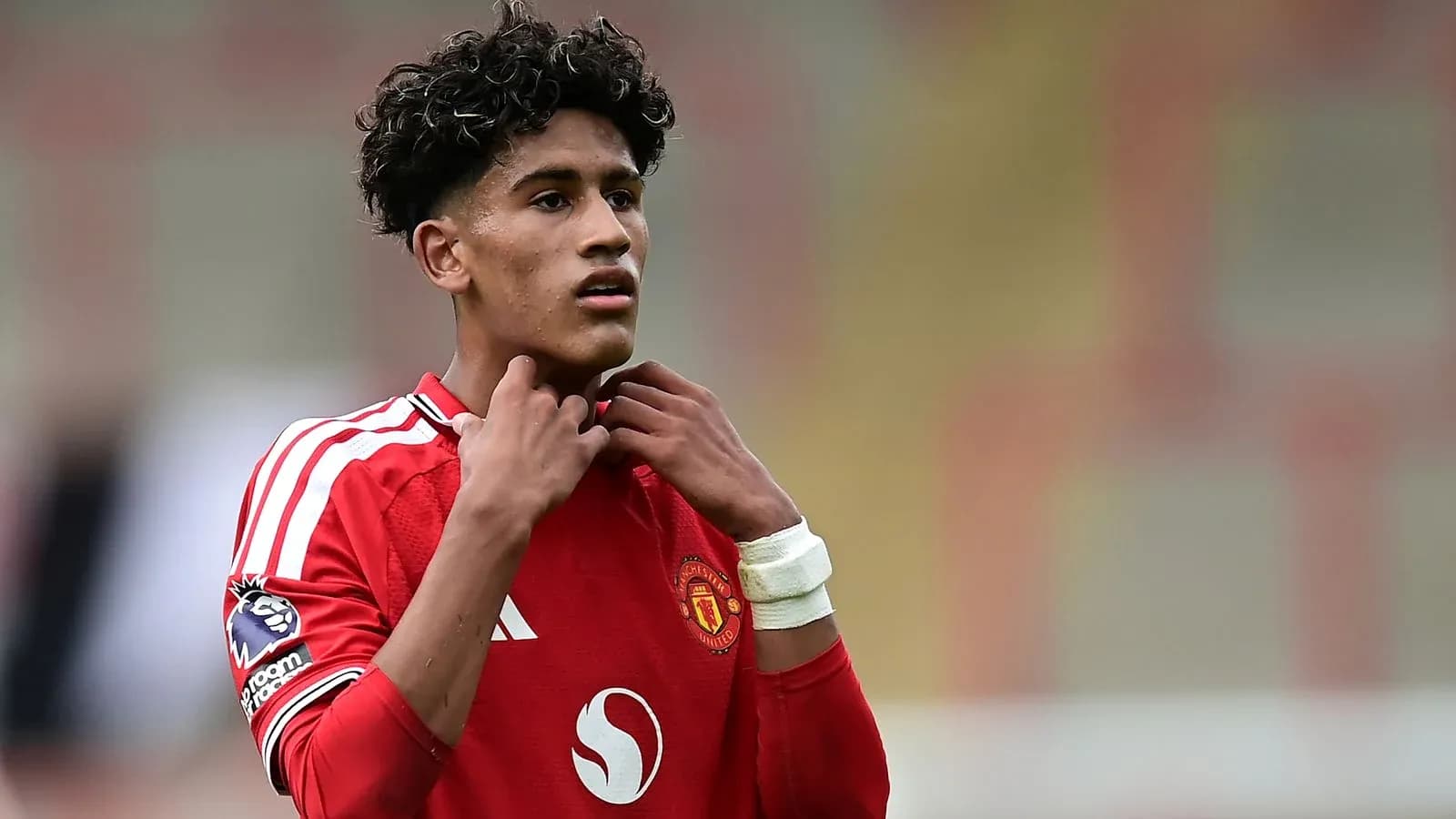
JJ Gabriel: Manchester United Prodigy in European Tug of War
JJ Gabriel is 15 years old and already living inside the kind of storm most professionals never see. On one side, Manchester United, desperate not to lose the brightest talent in their academy. On the other, a queue of European giants – Real Madrid, Barcelona, Paris Saint-Germain, Bayern Munich – all watching, all waiting.
This week, the story moved from rumour to reality. Gabriel and his representatives are in Barcelona for talks over a potential move to the Catalan club, a development that underlines just how serious this saga has become for United.
A Hat-trick, a Request, and a Sudden Silence
The turning point came last Thursday. United’s youngsters dismantled Sabah 5-0 in the UEFA Youth League. Gabriel scored a hat-trick, the kind of performance that usually cements a club’s belief that the pathway is working, that the next star is on the way.
Instead, it was the prelude to a rupture.
After that game, Gabriel and his camp submitted a formal request to be de-registered by United. Since then, he has not trained with the club. For a player still under contract until the end of the season, the message could hardly be clearer.
The situation looked even stranger when England’s latest youth squads were announced the following day. Gabriel, who has represented England at U17 level, was nowhere to be seen. A player good enough to dominate in Europe for United’s academy, suddenly on the outside of the international picture and apparently edging away from Old Trafford.
Inside United, there remains hope. Senior figures still believe they can persuade him to stay, to buy into the club’s long-term plan. But every step his camp takes towards mainland Europe makes that optimism feel more like resistance than expectation.
The Loophole That Changes Everything
This is not just a story of ambition and opportunity. It is also a story of regulation and timing.
Gabriel turns 16 on October 6. There is a belief, based on precedent and a FIFA loophole, that he could leave United for a European club once he reaches that age, if he secures a European passport through either of his parents.
That detail is crucial. With a European passport, the door opens to a move across the continent in a way that would be far more complicated under standard rules for minors. Any transfer, though, would still require FIFA approval, a reminder that this is not a straightforward academy switch.
For clubs like Barcelona, who have built eras around young arrivals with elite potential, the attraction is obvious. A 15-year-old forward, already scoring hat-tricks in European youth competition, potentially available through a regulatory gap. For United, it feels like a nightmare scenario: losing a prodigy not because they misjudged his talent, but because the system allows him a shortcut out.
Carrick Walks the Line
United head coach Michael Carrick stepped carefully when asked about Gabriel on Friday. He chose his words, and his tone, with the precision of a man who knows every sentence will be parsed for meaning.
“I think he's a young boy, JJ, and I think it's important that we certainly don't play anything out here,” he said. “I think the exposure and the scrutiny and everything, you've got to be careful and be sensible and think of him as much as anything, so the situation will work itself out, whatever way it's going to work itself out. Making sure he's okay is the important thing.”
No public battle. No open criticism. Carrick’s stance is clear: protect the player first, let the process run its course. It is a modern manager’s response to a very modern problem – a teenager at the centre of a multi-club chase, with social media noise and global scrutiny swirling around him.
Yet behind the calm, United know the stakes. This is not just about one academy player. It is about the message it sends to every other rising star watching how this plays out.
A Generation That Won’t Wait
Paul Merson did not hold back when asked about the potential loss.
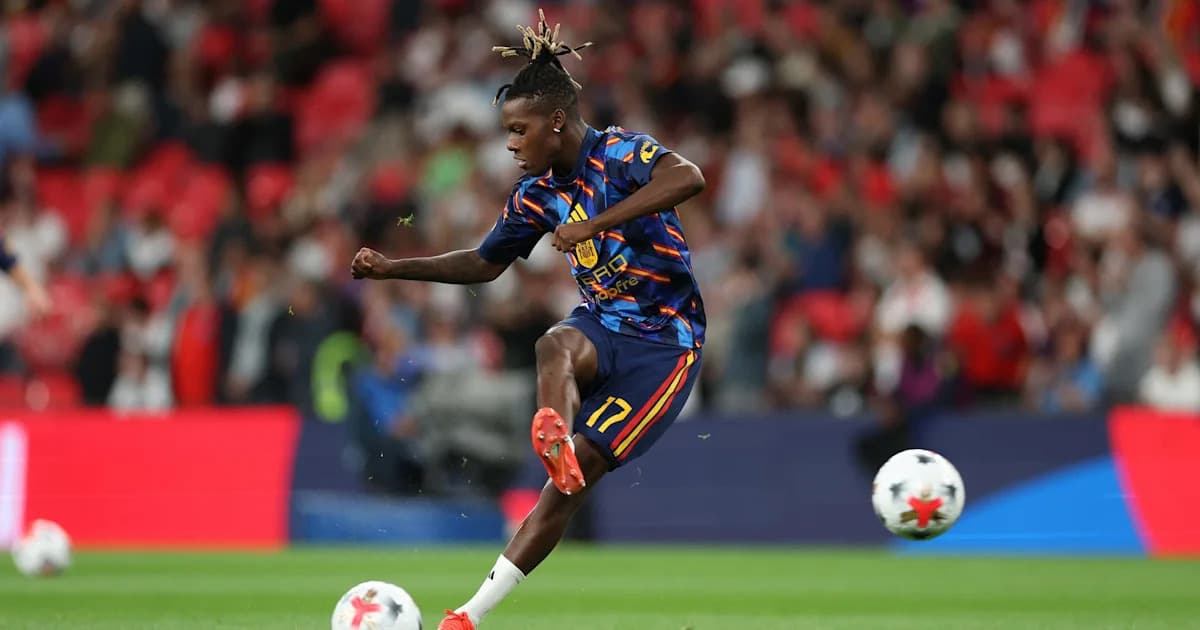
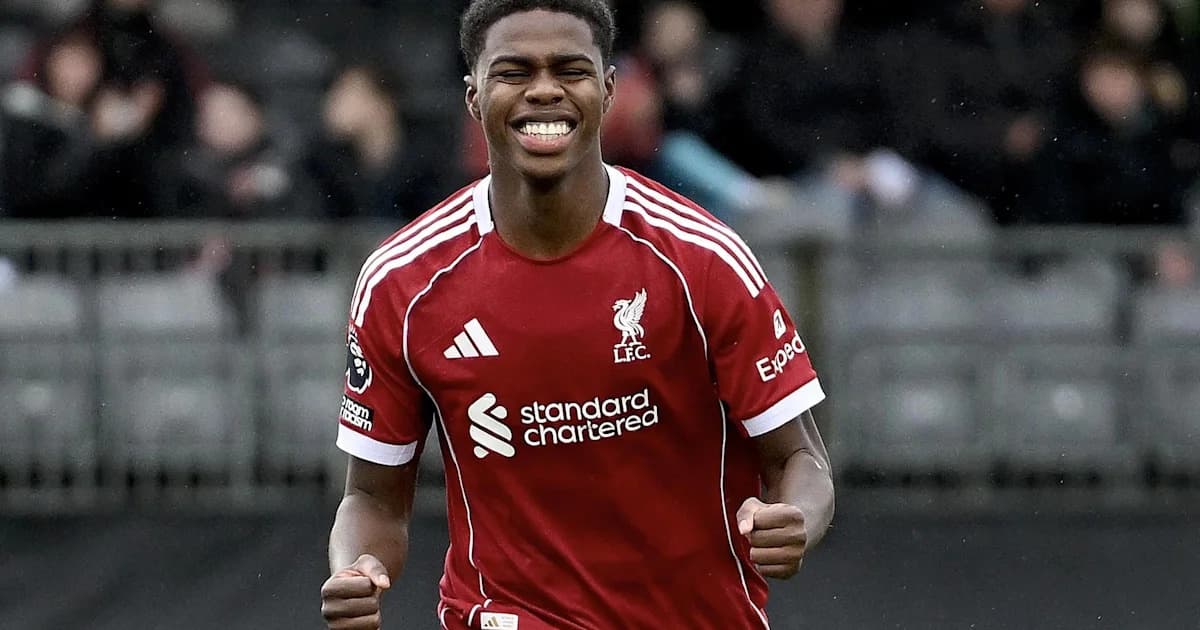
“First of all, he's an unbelievable talent,” the Sky Sports pundit said, before turning to the wider landscape. He pointed to Max Dowman at Arsenal and Rio Ngumoha at Liverpool, youngsters already tasting first-team involvement and impressing.
From there, he drew the line straight to Gabriel’s mindset.
“When you're watching Max Dowman at Arsenal and Rio Ngumoha getting given a chance at Liverpool and doing very well, he's probably thinking, 'I should be playing at Man Utd now as well'.”
That is the crux of it. This generation of elite teenagers is not content to wait until 20 or 21 for a breakthrough. They see peers stepping into senior squads at 16 and 17 and expect the same. For a club like United, still trying to stabilise at first-team level, delivering that pathway consistently is a serious challenge.
Merson did not underplay the potential impact if Gabriel walks away.
“It'll be a massive blow for Man Utd. Believe me, this kid is an unbelievable talent. They'll have every club in the world wanting him.”
That is not hyperbole in the current market. A 15-year-old with this profile, already on the radar of Real Madrid, Barcelona, PSG and Bayern Munich, does not come around often. Lose him, and it becomes a case study in how quickly control can slip from even the biggest clubs.
Barcelona Talks Raise the Temperature
The fact Gabriel is in Barcelona for talks sharpens the whole picture. This is not a distant flirtation or a speculative link. It is physical presence, face-to-face negotiation, the kind of step that usually comes late in a transfer story, not early.
Barcelona, with their history of recruiting and developing young talent, offer a powerful pitch: La Masia, a clear identity, a track record of teenagers stepping into the first team. For a family and a player thinking about long-term development and opportunity, that is a compelling narrative.
United, by contrast, are fighting from a position of vulnerability. They can point to their own history of promoting youth, from the Class of ’92 to more recent academy graduates. They can offer familiarity, stability, and a club that already knows Gabriel inside out.
But they cannot ignore the reality. A formal de-registration request. No training since. Direct talks with one of Europe’s biggest clubs. The momentum, right now, is not theirs.
A Test of Power in the Modern Game
Strip away the emotion and you are left with a stark question: who truly holds the power in modern football – the club, or the prodigy and his entourage?
Gabriel’s situation cuts right through that debate. A teenager, not yet 16, can trigger a chain of events that forces one of the world’s biggest clubs into reactive mode. Agents, family, legal frameworks, and international interest all collide around a player who has yet to kick a ball in senior football.
For United, the outcome will echo far beyond this season. If they keep him, it strengthens the argument that their pathway can still convince the best youngsters to stay, even with Europe’s elite circling. If they lose him, especially via a loophole and to a direct rival for future Champions League glory, it becomes a warning sign to every academy director in England.
For Gabriel, the decision will define the early shape of his career. Stay and fight for a future at Old Trafford, or step into the unknown at a European superclub already waiting with open arms.
The talks in Barcelona will not just decide his next move. They may tell us how the balance of power in youth football is shifting – and whether clubs like United can still dictate the destiny of their brightest talents.