Jonathan Kuminga’s Free Agency: A Cautionary Tale for Warriors
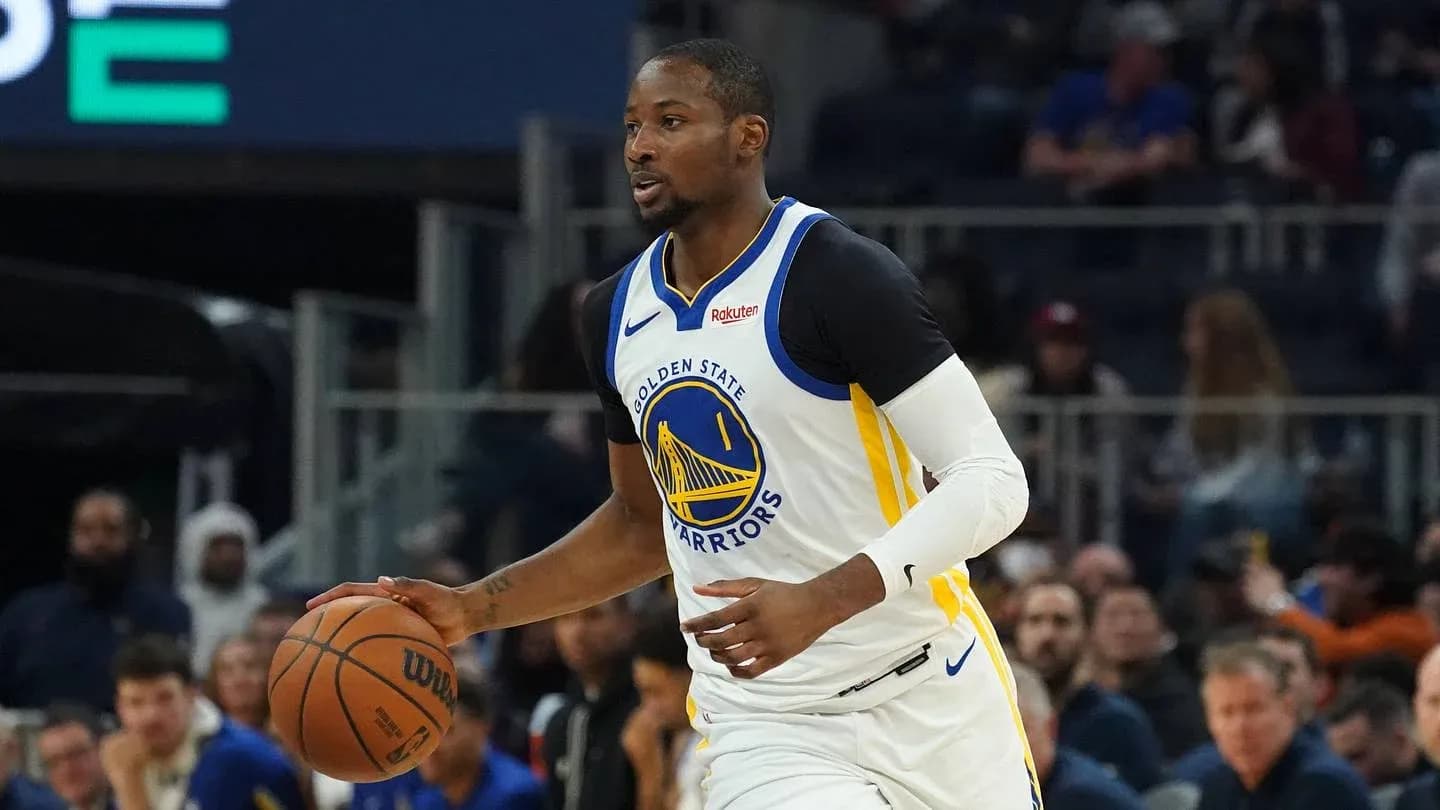
Jonathan Kuminga’s free agency ended with a thud on Wednesday: two years, $12.4 million with the Minnesota Timberwolves, using the taxpayer mid-level exception. For a former top-10 pick once penciled in as Golden State’s bridge to the post-Steph era, that number landed like a cold splash of water.
Especially in the Bay.
Warriors fans didn’t just react to the deal. They relitigated the past year.
Because buried underneath this modest contract is a far more explosive figure: three years, $75.2 million. That’s what the Warriors put on the table for Kuminga a year ago. He said no. Now, with the benefit of hindsight and a harsh league-wide market verdict, that decision – and that offer – looks like the defining misstep of a messy era.
The Offer That Never Should Have Been
The reporting from ESPN’s Shams Charania and Anthony Slater laid out the negotiation dance between Kuminga and the Warriors’ brass last offseason. The sequence reads like a cautionary tale.
First, Mike Dunleavy Jr. opened with a two-year, $45 million proposal, the second year a team option. That structure made sense for Golden State: solid money, but protection if Kuminga plateaued. Kuminga’s camp balked. He wanted either more average annual value or a player option. Security, control, or both.
Dunleavy blinked.
The offer jumped to three years and $75.2 million, again with a team option, this time in the third season. The team still tried to keep some leverage, but the guaranteed money soared. Kuminga turned that down too, unwilling to accept a deal that left the final year in the Warriors’ hands.
Owner Joe Lacob, according to the reporting, didn’t want a one-year balloon deal that risked losing Kuminga for nothing the following summer. So the two sides kept grinding. Eventually, they landed on a two-year contract worth up to $48.5 million, with a team option in the second year.
Strip away the noise and one thing stands out: Kuminga ended up taking a deal with a team option anyway, at a similar annual number, but with more than $20 million less guaranteed than that $75.2 million package.
From his side, it was a brutal misread of the market. From the Warriors’ side, it was something else entirely.
They never should have gone that high in the first place.
The last 48 hours have confirmed what this offseason has been quietly screaming: the league does not view Jonathan Kuminga as a $75 million player. Not close. That offer looked reckless then. It looks downright wild now.
The What-If That Dodged a Bullet
Run the alternate timeline.
Kuminga accepts the three-year, $75.2 million deal. He heads into last season with the security he wanted, the franchise still trying to thread an impossible needle: squeeze the last out of Steph Curry’s prime while grooming Kuminga as the next foundational piece.
Does that suddenly fix his on-court fit with Steve Kerr? Does it magically unlock his decision-making, consistency, and defensive discipline?
Nothing about the last year suggests it would.
The reality is that Kuminga and Kerr clashed over role and usage anyway. The relationship frayed. The promise never fully translated into nightly reliability. And when Golden State finally pivoted, the league didn’t line up with star offers. They found a taker in Atlanta largely because of one key detail: Kuminga was essentially on an expiring deal.
That mattered.
The Hawks treated him exactly that way. They declined the team option and let him walk into free agency. They were never locked into a long-term commitment, never tethered to a big number in 2026-27.
Now imagine the same scenario with Kuminga locked in at a guaranteed 2026-27 salary.
Are the Hawks still giving up Kristaps Porzingis for him? Hard to see it. The risk profile changes. The flexibility disappears. Suddenly, Kuminga isn’t a flier with upside on a short runway; he’s a mid-tier salary slot you’re stuck with if the leap never comes.
In that world, Kuminga might still be a Warrior right now – unhappy, angling for a trade, while the front office scours the league for a deal that doesn’t exist. The contract becomes an anchor, not an asset. The “next star” becomes a cap problem.
Instead, Golden State was saved by something front offices rarely count on: the player saying no.
A Messy Era, Not a Single Mistake
So yes, the Warriors caught a break when Kuminga turned down the bigger offer. But that doesn’t let the organization off the hook.
The issue isn’t only the size of that $75.2 million proposal. It’s the broader story it tells about how Golden State handled the Kuminga era.
They invested heavily in the idea of him. They framed him as a future star, reportedly turned down trade packages along the way, and kept him as the theoretical bridge between dynasties. Yet by the time he hit the open market entering his sixth season, the league valued him at two years and $12.4 million. That’s not star money. That’s “prove it, or we move on” money.
Some of that predates Dunleavy. Bob Myers was the general manager when Kuminga was drafted, and the two-timeline experiment was already in motion. Since Dunleavy took over, the draft record has been stronger. Brandin Podziemski looks like a hit. Quinten Post and Will Richard have drawn praise. Yaxel Lendeborg’s summer league flashes suggest another potential find.
Those are encouraging signs, but they sit next to the Kuminga saga like a warning label.
Because for all the talk of vision and succession planning, the Warriors spent years guarding Kuminga as if he were untouchable, only to watch his market crater to mid-level exception territory. The $75.2 million offer stands now as a neon reminder of how far the internal evaluation drifted from league reality.
In the end, Golden State avoided the worst version of this story. They didn’t lock themselves into a contract the rest of the league clearly didn’t want any part of. They escaped the full consequences of their own optimism.
But the fact they made that offer at all still lingers over the front office.
The dynasty is fading. The cap sheet is tight. The margin for error is gone.
The question now isn’t what Jonathan Kuminga becomes in Minnesota. It’s whether the Warriors can afford another misread like that in the years Steph Curry has left.