Jonathan Kuminga's New Role with Minnesota Timberwolves: Opportunity or Risk?
The Minnesota Timberwolves think they’ve solved their power forward problem with Jonathan Kuminga. One of the people who knows him best isn’t so sure it will be that simple.
On his podcast, The Draymond Green Show, Draymond Green applauded Kuminga’s decision to sign a two-year, $12.4 million deal in Minnesota, calling it a “great opportunity” for his former Golden State teammate. Then he cut straight to the risk.
“My only worry for JK is that if it’s not working, you’re the first plug that gets pulled,” Green said.
In a league where money often dictates margin for error, that’s not a throwaway line. It’s the crux of Kuminga’s new reality.
A Starter on a Bench Salary
Minnesota plans to roll out a starting five of LaMelo Ball, Anthony Edwards, Jaden McDaniels, Kuminga and Rudy Gobert. On paper, it’s explosive, long, and built to run.
On the balance sheet, it’s something else entirely.
Kuminga will earn roughly $6 million this season, a fraction of what the four other starters make and less than some players expected to come off Chris Finch’s bench. Green’s concern isn’t about whether Kuminga can play at that level. He’s seen that up close.
His concern is what happens if this shiny new lineup sputters.
“A $6.5 million salary in the NBA is a bench-role salary,” Green said, putting a hard number on a soft truth. Teams tend to live with the mistakes of their highest-paid players. They tend to tinker with the cheaper ones.
That’s where the tension lies for Minnesota. The Wolves have pushed big chips to the center of the table almost everywhere else on the roster.
Ayo Dosunmu, who arrived from Chicago in February and quickly became one of Minnesota’s most important pieces, signed a five-year, $112 million contract this summer. He averaged 14.8 points last season and authored a 43-point playoff eruption against Denver that still hangs in the air for this franchise.
Yet with Kuminga in the fold, Dosunmu now projects as a sixth man — on an average annual salary of $22.4 million, more than triple what Kuminga will make this year.
Finch isn’t about to admit he’ll coach by payroll. But Green’s point isn’t about the rotation card on opening night. It’s about organizational investment. If something has to give, the cheapest starter is almost always the easiest piece to move.
A Bargain Bet With Real Stakes
For Kuminga, the stakes go beyond pride or playing time. His contract carries a player option for 2027-28, effectively making this a platform year. If he delivers the breakout season that’s been teased since he entered the league, he can opt out next summer and chase the kind of long-term payday that never materialized in Golden State.
If he doesn’t, that bargain deal starts to look less like a springboard and more like a ceiling.
Green understands that better than most. He was one of Kuminga’s loudest advocates during their Warriors years, often pushing for him to get more minutes, more responsibility, more leash. He isn’t poking holes in Minnesota’s plan for the sake of it. He actually likes the gamble.
In his view, Kuminga needed to stop replaying the “what ifs” of past negotiations and find a situation that could reset his reputation around the league. Minnesota, with its revamped core and clear vacancy at the four, gives him that chance.
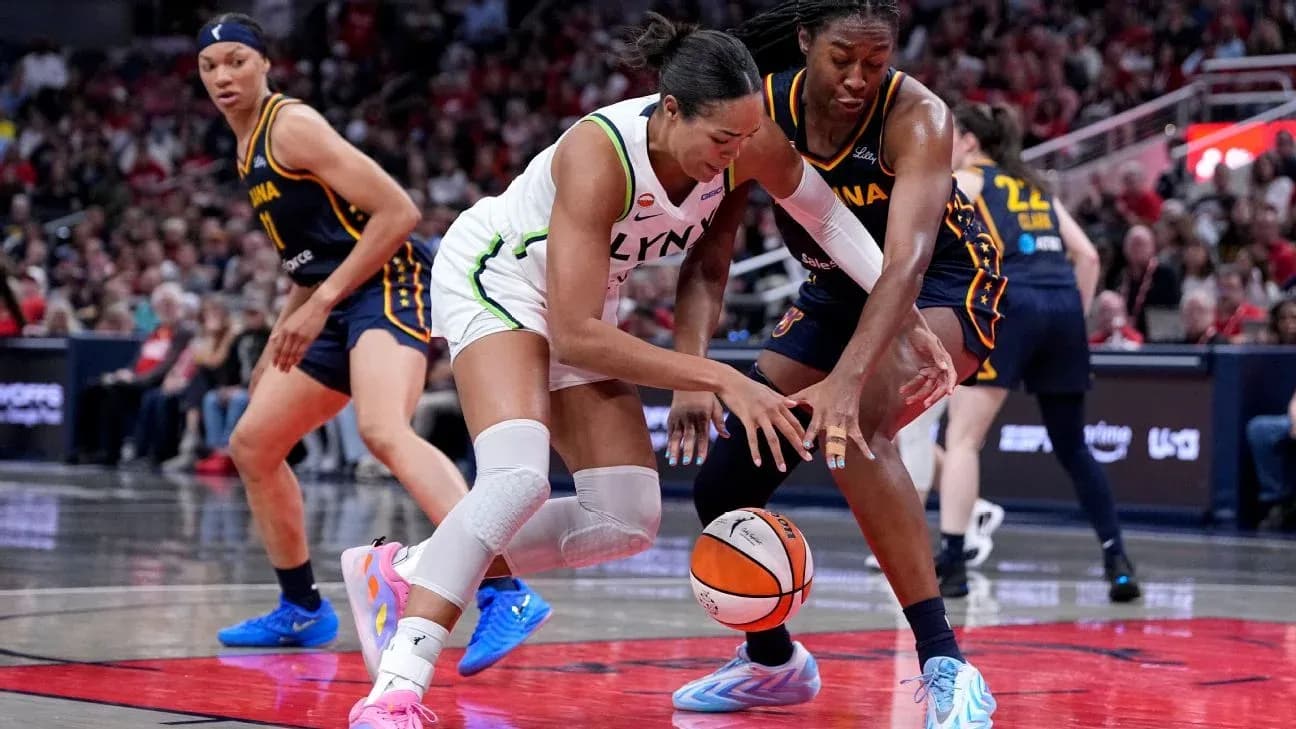
The Wolves traded away Julius Randle and Naz Reid in their offseason overhaul, leaving a glaring opening at power forward. They wanted length, athleticism and someone who could run with Edwards and Ball. Kuminga checks those boxes and adds a dash of untapped upside that front offices covet.
They’ve already seen what that upside looks like when the leash comes off.
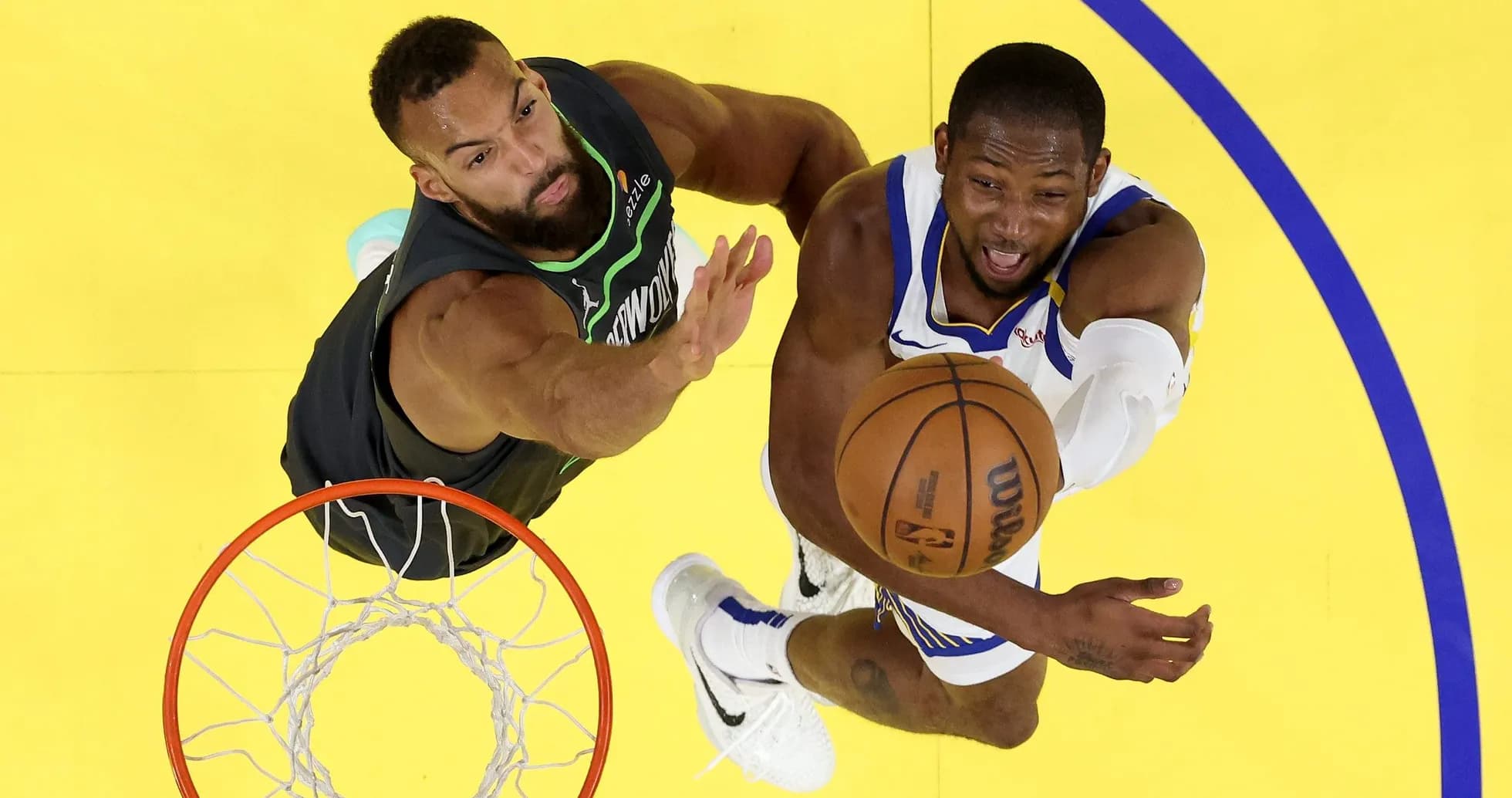
When Stephen Curry went down during Golden State’s 2025 playoff series against Minnesota, Kuminga’s role ballooned. He responded by averaging 20.8 points on 54% shooting in the series, attacking gaps, finishing at the rim and forcing the Wolves to adjust on the fly. Green believes that stretch stuck with team president Tim Connelly and with Edwards in particular.
“I think it’s a great opportunity for JK,” Green said. The Wolves are clearly betting the same way.
At around $6 million, Kuminga might be one of the league’s best value plays if he strings together consistent production. That number lets Minnesota load the top of the roster with star money and still field a high-ceiling starter at a discount.
But the discount cuts both ways. The same contract that makes him a bargain also makes him expendable if the experiment falters.
Minnesota has hitched its future to Edwards, Ball, Gobert, McDaniels and now Dosunmu on a major deal. Kuminga, for all his talent, is the outlier in that financial hierarchy. If the Wolves have to pull a plug, everyone knows which cord is easiest to reach.
The opportunity is real. So is the risk. Now it’s on Kuminga to make sure his price tag becomes a steal, not an excuse.