Justin Gaethje’s Champion Journey and Callout to Islam Makhachev
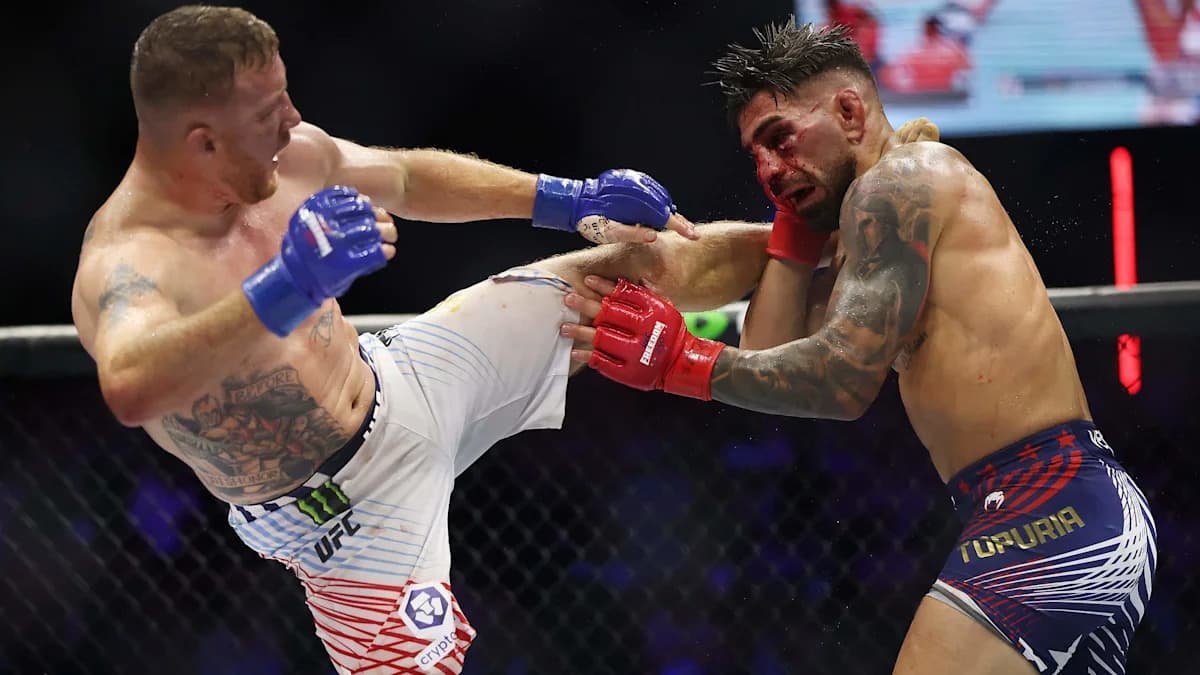
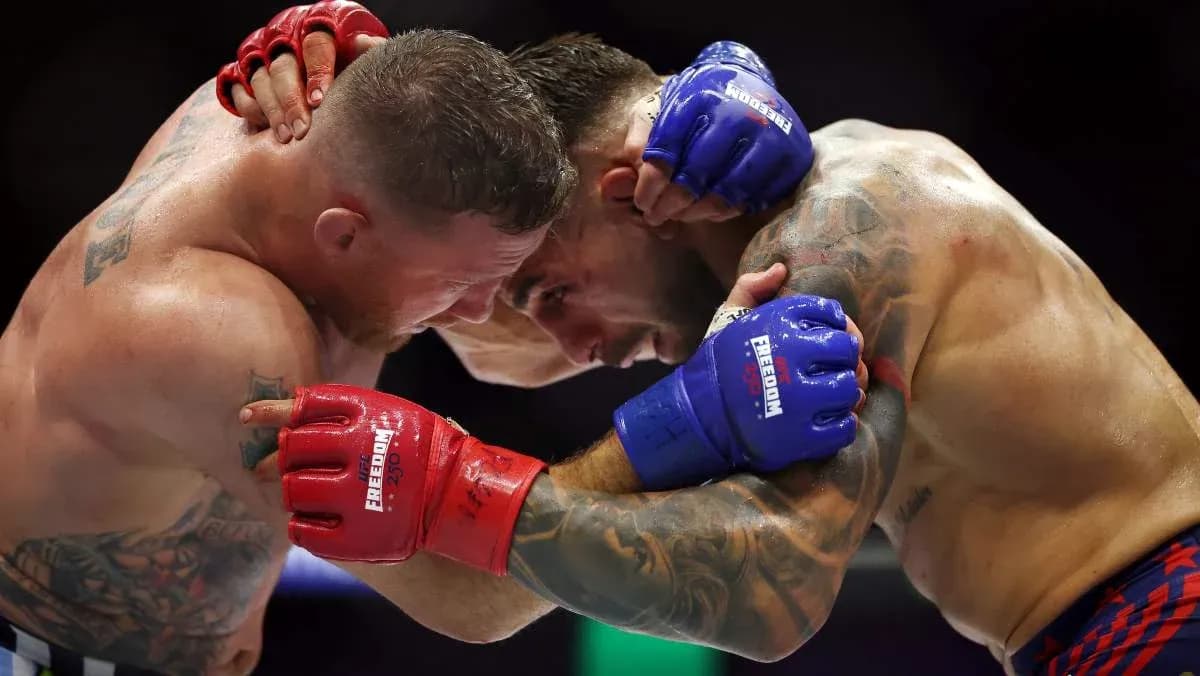
On a surreal night when the UFC planted its Octagon on the White House lawn and called it UFC Freedom 250, Justin Gaethje did what many believed he was built to do. He walked into chaos and walked out a champion.
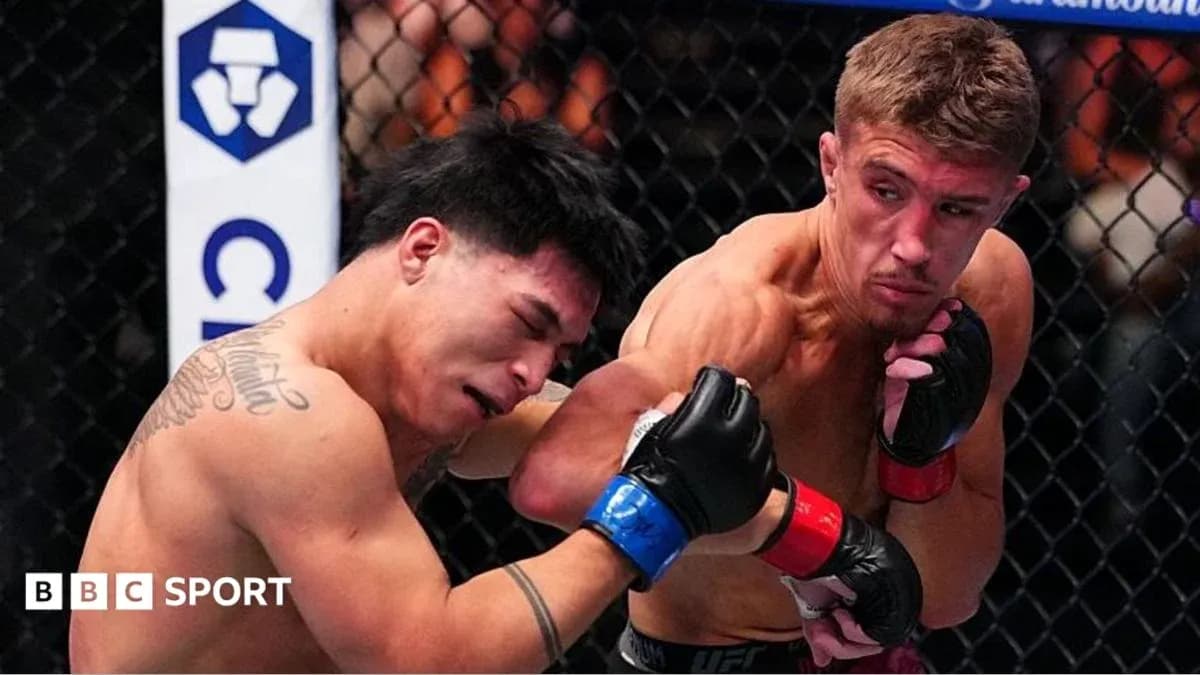
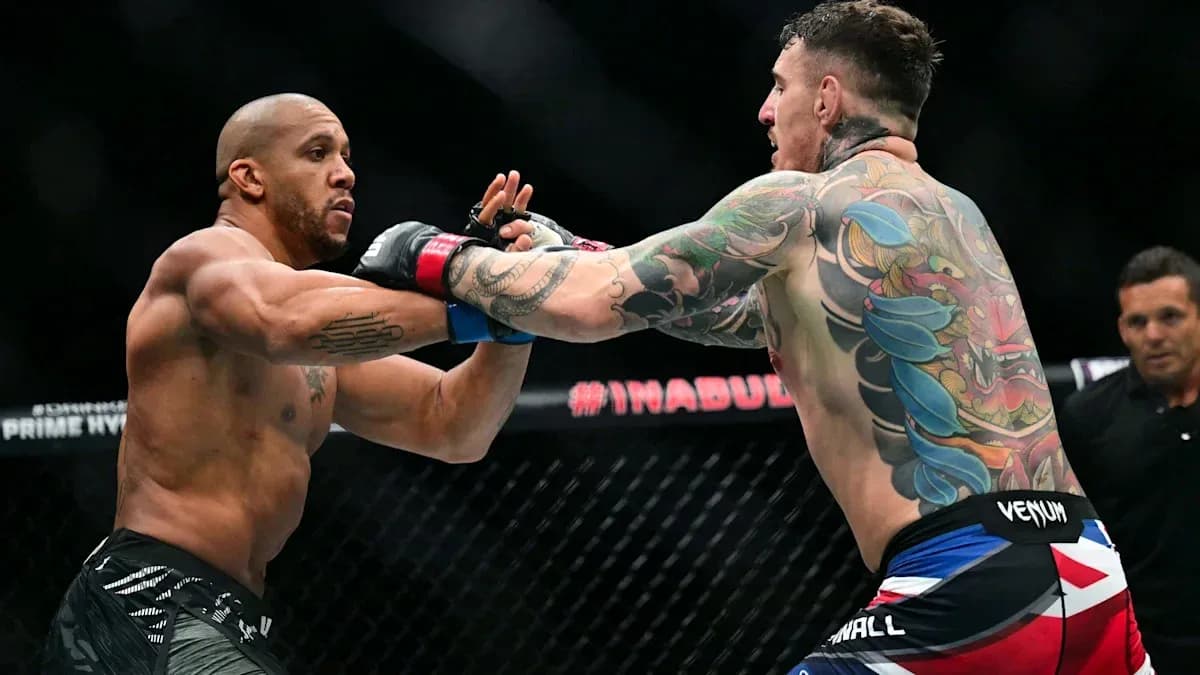
Every fight on the card ended inside the distance. Not a single judge’s scorecard saw the light of day. What had been dismissed by fans as a “weak” lineup when the bout sheet first dropped turned into a highlight reel of stoppages, a night that refused to drift to the scorecards or to the safe option.
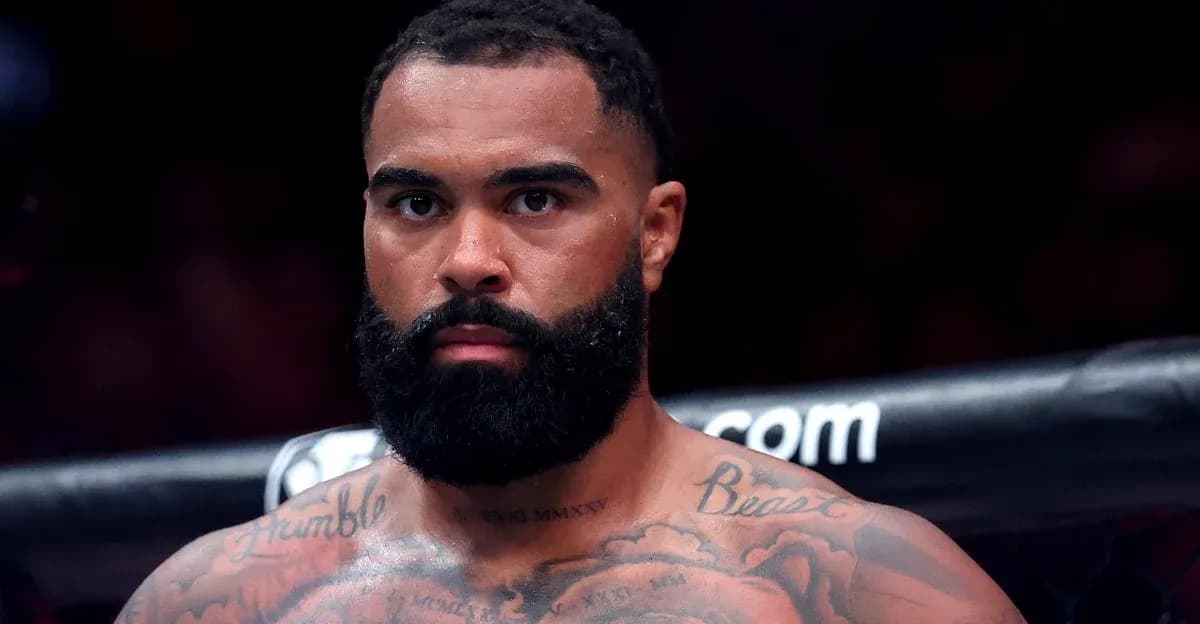
And standing above that storm was Gaethje, finally crowned undisputed lightweight champion.
Now comes the hard part.
Gaethje Opens the Door to Makhachev – Again
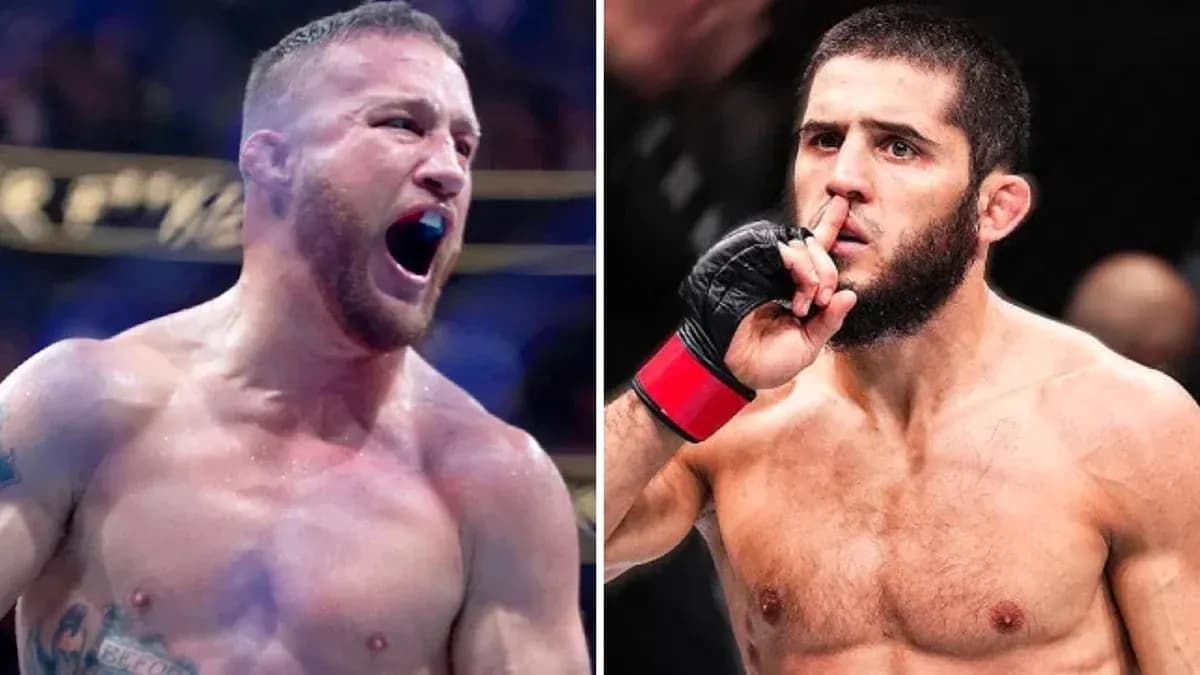
With the belt around his waist and a target squarely on his back, Gaethje isn’t picking and choosing. He isn’t ducking names or playing matchmaker. Asked about a potential showdown with former lightweight king and current welterweight Islam Makhachev, his answer was blunt.
“I would say yes,” Gaethje said, when pressed on a possible Makhachev fight. “I would always defend myself; defend my belt against whoever they wanted me to.”
He has chased that fight before. Gaethje publicly called for Makhachev when the Russian still ruled at 155 pounds, before the move up to welterweight. A champion-versus-champion clash once felt like the natural next step in a division that has churned through elite contenders at a brutal pace.
Gaethje is still ready. He just doesn’t believe Makhachev can follow him back down.
“However, I know that there is a negative one million percent chance that that man can ever make 155 again. There’s no way.”
That’s the tension at the top of the sport: a willing champion, a dominant former lightweight, and a number on the scale that might never be reached again.
Respect for a Champion, Reservations About the Style
Gaethje’s view on Makhachev is layered. He admires the man, reveres the résumé, but doesn’t pretend he loves every second of watching him compete.
“I like winners,” Gaethje said. “So, I’m a huge fan of Islam Makhachev. I desire something else when I watch MMA. We all have our own biases. And so, is it my favorite night ever when Islam Makhachev fights? No, but I absolutely respect what he is and why he’s there.”
That’s Gaethje in full: honest, unfiltered, and unwilling to dress up his preferences. He built his own career on violence, damage, and risk, on fights that feel like they might tilt off the edge at any moment. Makhachev, by contrast, smothers chaos, controls it, and drains the drama out of danger. Different roads. Same summit.
What Gaethje refuses to do is dismiss the foundation behind that dominance.
“It’s such a huge factor that these kids that do Sambo from these parts of the world see submission from such a young age,” he said. “Not only that, they’re Muslim. They’ve never drank or smoked anything in their life. Like, their discipline is second to none. And he deserves every accolade and accomplishment that he has. How he fights and what people think don’t mean anything.”
Strip away the stylistic debates, and Gaethje sees a machine built on discipline, culture, and lifelong repetition. The kind of engine you don’t question, you just try to solve.
A New King, a Familiar Hunt
Gaethje’s title win on the White House lawn felt like a moment ripped from a movie script, but his mindset hasn’t softened with the gold. He still talks like a contender, not a man trying to protect what he has.
He will defend against anyone. He would sign for Makhachev tomorrow. The problem isn’t courage or ambition. It’s the scale.
If Makhachev can never again carve his frame back down to 155, the sport might be denied one of its most compelling hypothetical matchups: the relentless pressure fighter against the suffocating grappler, the chaos merchant against the system.
For now, Gaethje marches on as lightweight champion, belt in hand, eyes up. The division is coming for him. The question is whether Islam Makhachev will ever be able to join that chase again—or whether that chapter stays unwritten.