Juventus' Late Collapse as Adzic Punishes Defensive Chaos
Juventus thought they had escaped. Twice they dragged themselves back from the brink, twice they reset the narrative. And then, with the clock almost empty and their shape completely broken, Vasilije Adzic walked through the wreckage and finished the job for the hosts.
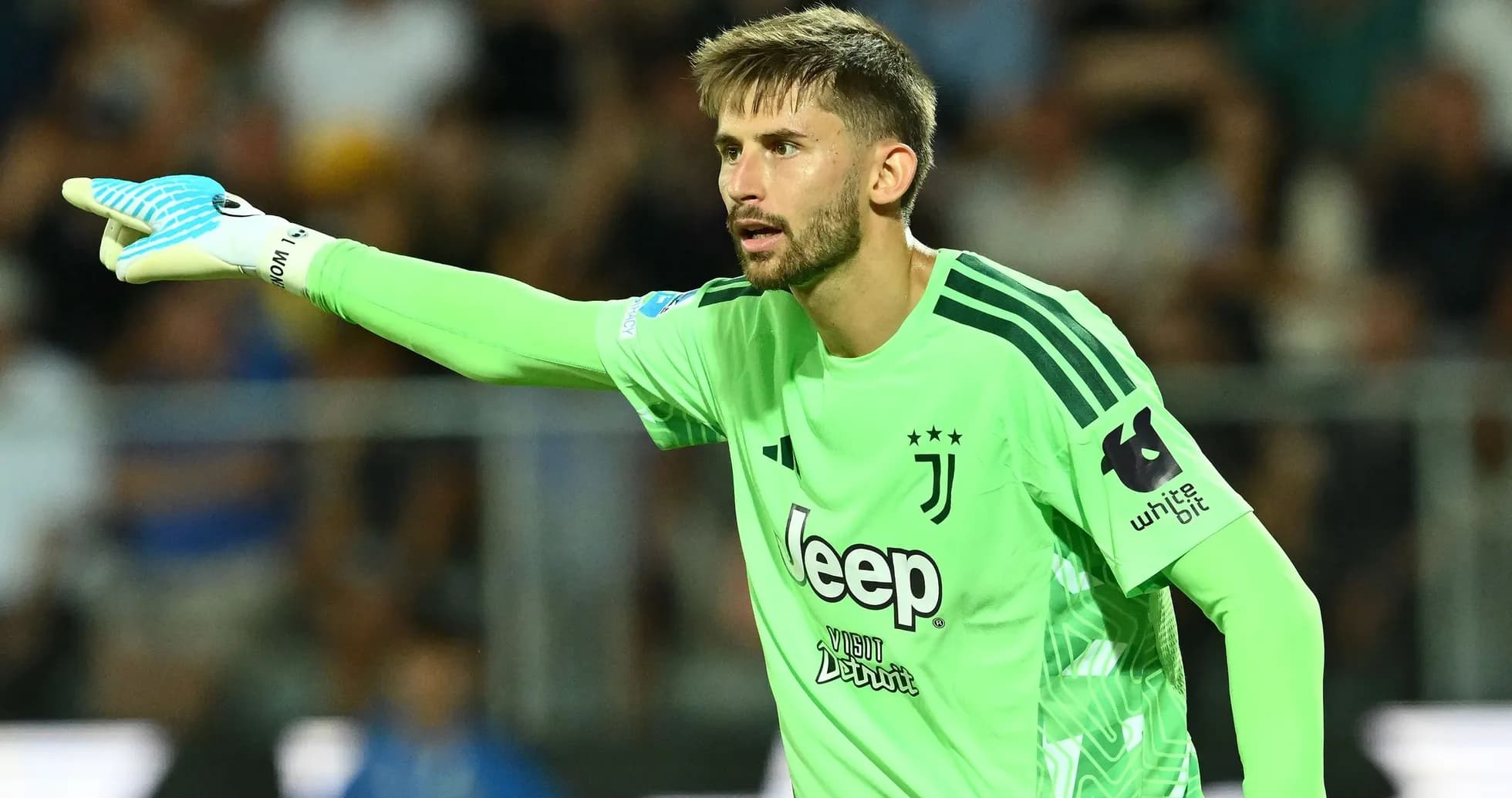
The final whistle found Guglielmo Vicario not on his knees, but raging – arms flung wide, voice cutting through the noise as he screamed at a defence that had abandoned its posts in the closing seconds. A game they had no right to win, they had at least earned the right not to lose. They threw even that away.
High line, higher risk
From the first whistle, this was a defensive horror show for the visitors. The offside trap, supposedly drilled and ready, looked more like a loose sketch. Sassuolo saw it, tested it, then tore it apart.
Sebastiano Esposito struck first, timing his run to perfection and exposing a high line that moved neither as a unit nor with conviction. Later, Kieron Bowie did the same, racing in behind again as Juventus’ back four froze between stepping up and dropping off. Each goal felt like a copy of the last: space in behind, no pressure on the ball, and defenders glancing at each other for answers that never came.
The response, at least, carried the old Juventus defiance. Edon Zhegrova refused to accept the script, twice dragging his side back into the contest with moments of pure individual invention. Two solo efforts, two reminders that this squad still carries serious quality in the final third, even as the rest of the structure creaks.
But the pattern never changed. For every flash of attacking brilliance, there was a collective lapse at the back. The final act, with Adzic free to decide the game, felt less like a twist and more like the inevitable conclusion of 90 minutes of poor organisation.
Vicario’s fury
Vicario, on loan from Tottenham and one of the few consistent bright spots of this turbulent spell, did not hide behind clichés or context when he faced the cameras. He went straight for the heart of the problem.
"There is great bitterness, because I understand the desire to go and win the game, because we are Juventus and it is our obligation to aim for victory every time, but we lost our balance and we talked all week about this," the 29-year-old told DAZN, his frustration still raw.
He stressed that these were not freak concessions or isolated mistakes. They were the very situations the squad had spent the week trying to eliminate.
"Juventus cannot concede two goals like that. This is a club with a glorious history and we cannot allow goals like that. We need to be more calm and balanced, because we have a team full of quality, and we will be able to create chances."
The message was clear: ambition is non-negotiable at Juventus, but so is control. On this night, they had one and completely lost the other.
No hiding behind injuries
This collapse comes at a time when Juventus could easily seek refuge in excuses. Key players are missing, the bench looks thinner, and the most painful absence of all belongs to captain Manuel Locatelli. The midfielder faces four to six months out after meniscus surgery, a gaping hole torn out of the side’s engine room and leadership core.
Yet even that, Vicario insisted, cannot become a shield.
"We’re sad to be losing Manuel, but it’s a long-term injury, and we do have players of quality in the squad. We can’t just keep seeking excuses," he said.
It was a line that cut through the noise around the club. Yes, the context is difficult. Yes, Locatelli’s loss changes the dynamic in midfield. But the issues on display here – the broken line, the panic, the inability to manage the final minutes – are about concentration and structure, not medical reports.
From late heroics to late heartbreak
What stings even more is how sharply this night contrasts with the week before. Then, Juventus had stolen a point in the dying moments, Federico Gatti stepping off the bench to snatch a 1-1 draw against Milan and inject some badly needed momentum into the campaign.
That late surge felt like a turning point, a sign that this group could still bend games to its will in the decisive moments. Against Sassuolo, the script flipped. They fought back, turned the tide, and then lost their heads.
Asked whether the dressing room felt more anger or regret, Vicario didn’t try to separate the two.
"In my view both, because we had managed to turn the tide in our favour. We must be able to control these moments of the match better, because we’ve got the quality," he noted.
Anger at the manner of the defeat. Regret at the squandered work. And, underneath it all, a blunt admission: this is not how a club of Juventus’ stature is supposed to close out games.
The performance leaves a question hanging over this team, one Vicario has already framed for them: can a side with this much talent finally learn to manage the moments that define a season, or will nights like this become their new identity?