
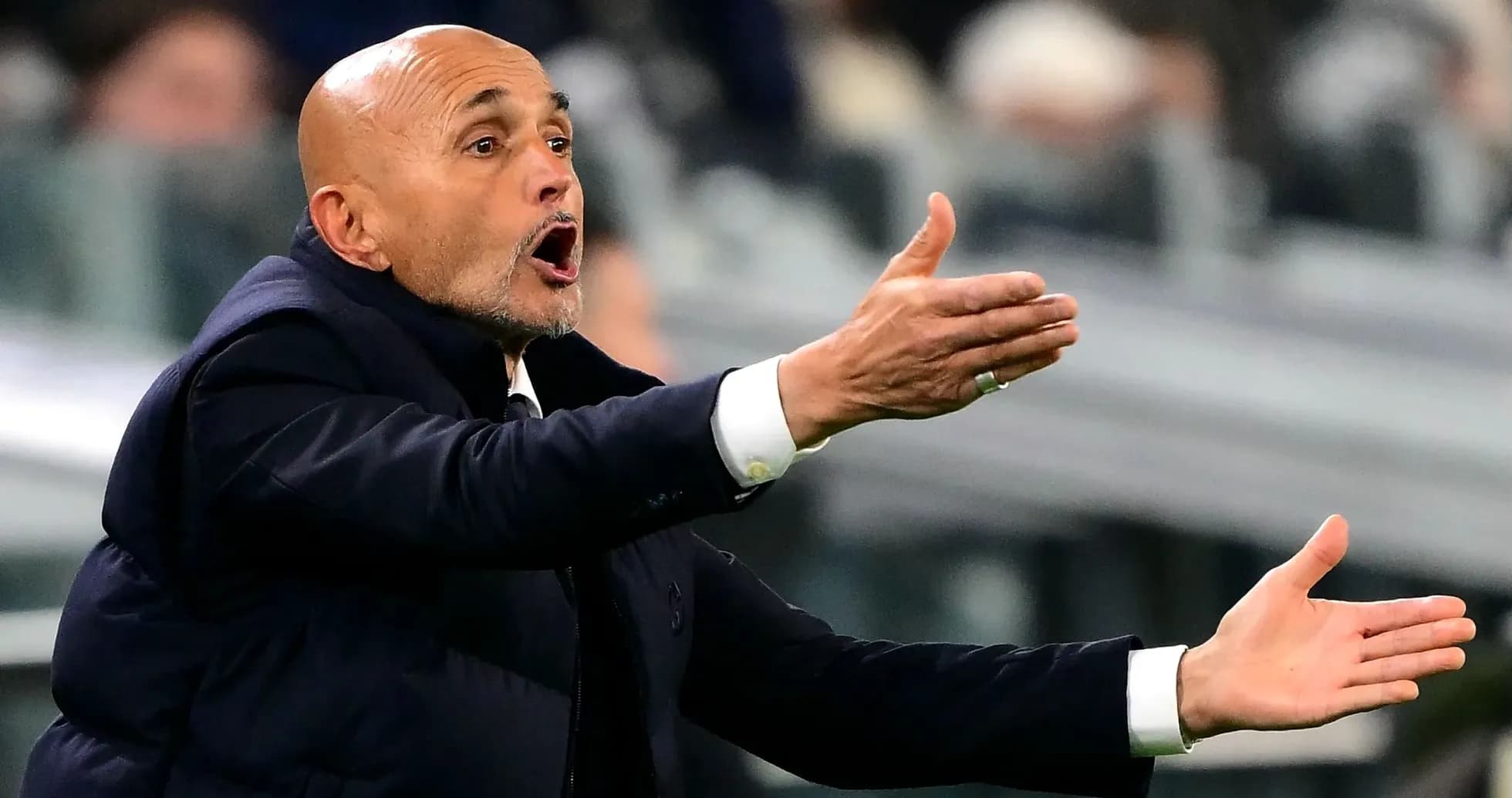
Juventus Triumphs in Alkmaar: Spalletti's Message of Respect
Luciano Spalletti walked off the pitch in Alkmaar with three points, a broken record behind him and a message on his lips. Juventus had just ended AZ’s 17-game unbeaten home run in Europe with a 2-1 win, and the coach was in no mood to let the narrative drift anywhere but where he felt it belonged.
This, he insisted, was about respect.
Spalletti bites back at doubters
With Weston McKennie, Kenan Yildiz and others missing, Juventus arrived in the Netherlands looking patched up and vulnerable. They left having silenced one of the most hostile and in-form European grounds of recent seasons.
Yet Spalletti has grown tired of the way those results are framed.
He bristled at the suggestion that when Juventus win, the story so often becomes about the supposed weakness of the opposition rather than the strength of his team’s plan and execution.
"I am very satisfied, because we played well against a very strong team," he told Sky Sport Italia, pointedly widening the lens beyond this single night. He referenced NEC, another side dismissed as poor despite their seven points, as an example of how quickly opponents are written off once Juve beat them. The implication was clear: underestimate these teams and you miss what his players are actually doing.
"When you win, it's because the others are weak, and instead tonight we won a great match and played great football," he said. This was Spalletti drawing a line. Juventus, in his eyes, are earning these results, not stumbling into them.
Control, courage… and a late scare
For long spells, Juventus looked exactly how he wanted them to look: front-foot, authoritative, unafraid to play high and impose themselves in AZ’s half. The performance had the hallmarks of a side that trusts its structure even with key pieces missing.
Yet the final minutes betrayed a different story. A nervous one.
"We sat there, we weren't getting out and then we conceded; if it lasted another five minutes we wouldn't have brought it home," Spalletti admitted. The honesty cut through. This was not a coach pretending the late wobble never happened.
He felt the third goal should have killed the contest long before AZ’s late strike. Instead, Juventus retreated, invited pressure and allowed the home crowd to sense a comeback that never quite arrived but came close enough to sting the manager’s pride.
Still, he clung to the core of the display: "Today we came here with authority, strength, quality and also courage; there isn't the merit of just one person." That courage, for him, lay in the willingness to attack space, to push high, to go man-to-man in the opposition half and live with the risks.
He even picked out Kolo Muani’s movement as an example of the damage Juventus could have done with sharper decision-making in transition, lamenting that those who came on late – players like Jeremie Boga and Jeff Ekhator – did not exploit the spaces on the break as much as their qualities allow.
They dropped too deep. They stayed "a bit halfway". And that, in Spalletti’s book, is where trouble starts.
Collective graft over individual glory
Teun Koopmeiners’ display against his former club was always going to draw attention. The narrative wrote itself: the familiar surroundings, the emotional undercurrent, the polished performance in midfield.
Spalletti, though, refused to let the spotlight rest on just one player.
"I don't want to make distinctions because there are also those who did the dirty work and did it well like Lucumi or Kalulu, they are all very positive signs," he said, pulling the conversation back to the collective. For him, the story of the night lay in the way Juventus dared to step into AZ’s half, matching up man-to-man and trusting their defenders to handle the duels that approach demands.
It is a high-wire act. One that leaves the backline exposed and the goalkeeper central to more than just shot-stopping.
"How many times have we said that the goalkeeper only has to save? Instead, he must know how to play with his feet because it cancels out all the pressure you face," Spalletti added, underlining how vital that role has become in his blueprint. In a game where AZ pressed and chased, the calm use of the ball at the back was not a luxury; it was a release valve.
Mental edge and the cost of hesitation
Strip away the tactics and Spalletti kept returning to one theme: mentality.
"This is the victory, having been in their half; there was a great attitude and great mentality," he said. Juventus, in his mind, convince when they carry that edge, when they step forward rather than wait.
His real frustration lay in the manner of AZ’s goal. Not in a structural flaw, but in something more basic, more human.
"We didn't make a decision and a decision not made is worse than a wrong decision," he reflected. Hesitation, for him, is the true enemy. In those fleeting seconds, waiting for others to organize, Juventus allowed AZ back into a game that should have been buried.
At the end, he wanted his forwards to hold the ball, to relieve the siege as AZ counter-pressed with growing fury. They did just enough. No more than that.
Yet even with that sting in his analysis, Spalletti’s closing words were generous. He spoke of being happy with every one of his players, "even those who stayed on the bench." The message to his squad was unmistakable: this is a shared effort, a shared fight, and a shared identity being built night by night in Europe.
A 2-1 win in Alkmaar does more than move Juventus along in the Europa League. It tests their nerve, sharpens their edge and fuels a coach who clearly feels his team still has a point to prove — not to themselves, but to everyone watching and still underestimating what these nights say about where Juventus are heading.





