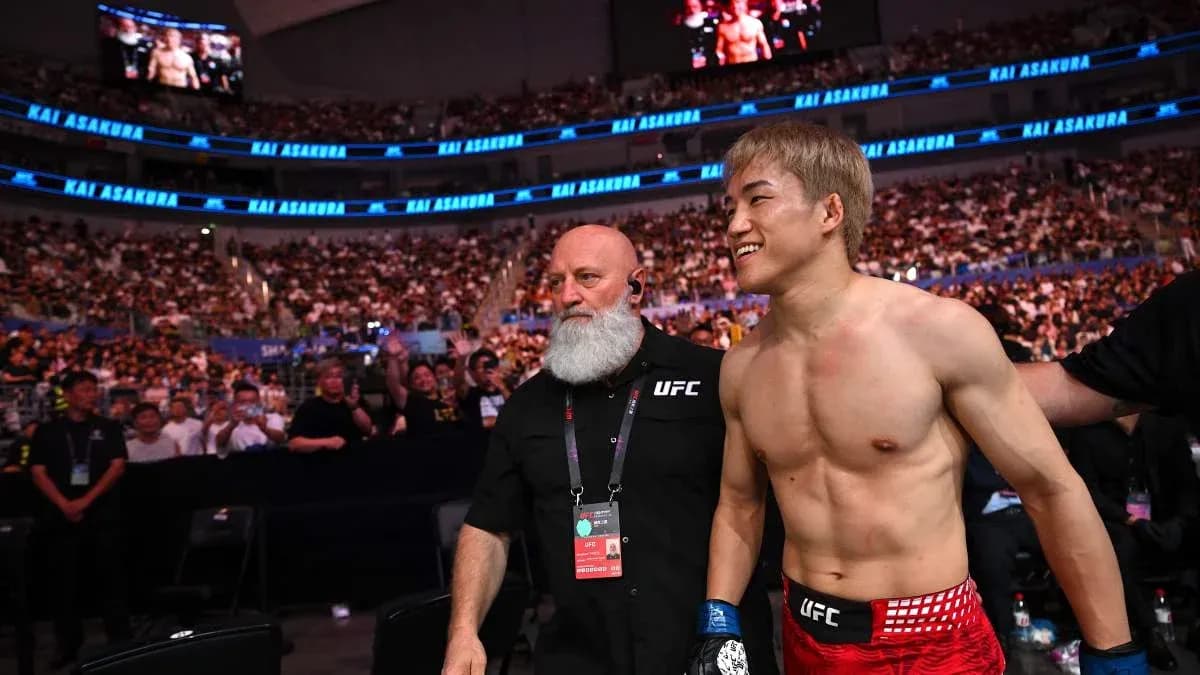
Kai Asakura’s KO in Shanghai Signals Bantamweight Threat
Kai Asakura didn’t just win in Shanghai. He made a statement the entire bantamweight division will have to hear on replay.
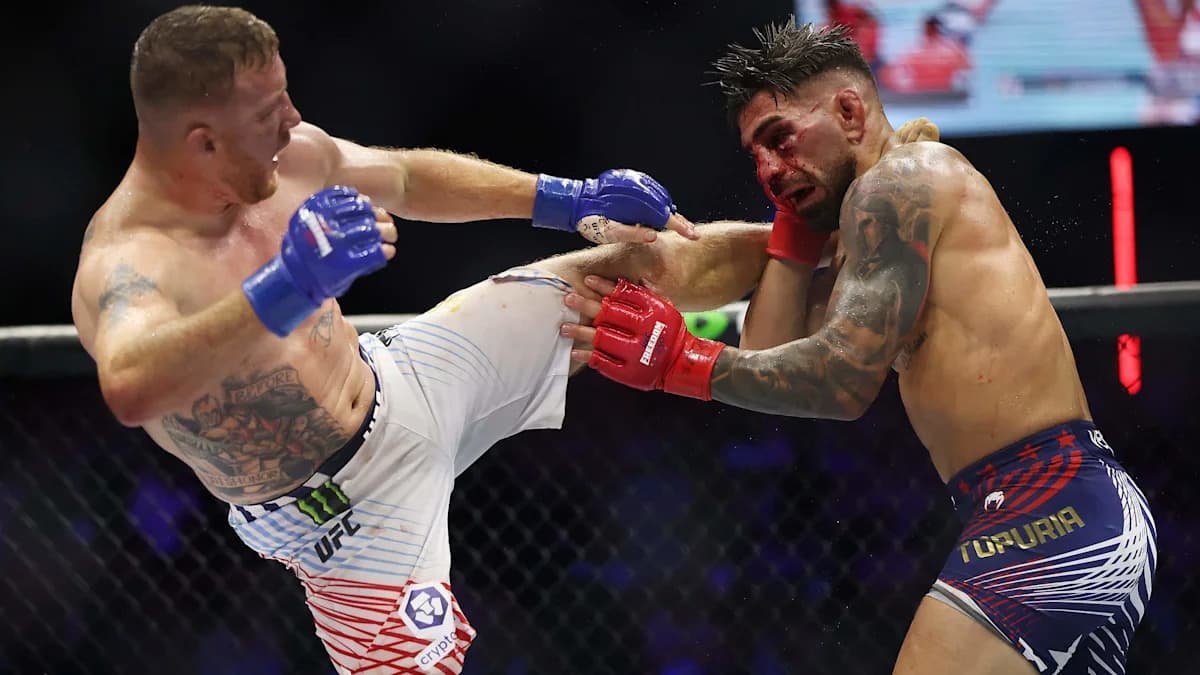
In front of a partisan crowd roaring for hometown favorite Aoriqileng, the Japanese contender silenced the arena with one brutal, clinical sequence. A high kick crashed through Aoriqileng’s guard and sent a shudder through his legs. As he staggered, Asakura pounced, ripping punches that dumped the Chinese fighter to the canvas before driving in savage knees to the body to force the stoppage.
No controversy. No debate. Just a violent finish that will live on highlight reels for years.
When the dust settled, Asakura kept his reaction short and sharp. Posting to Instagram after the fight, he wrote: “Won by KO! Thank you for your support!” No chest-beating. No callouts. The performance had already done the talking.
From Flyweight Frustration to Bantamweight Revival
The brutality of the finish in Shanghai felt like the culmination of a hard reset in Asakura’s UFC career.
When he arrived from RIZIN, the expectations were sky-high. The UFC threw him straight into the fire, handing him an immediate title shot at flyweight against then-champion Alexandre Pantoja at UFC 310. It was a bold move that underlined how highly the promotion rated him.
Pantoja showed why he held the belt. He dragged Asakura into deep waters and wrapped up a rear-naked choke in the second round of the main event, reminding everyone that raw talent still has to pass through championship experience.
Asakura’s second outing in the Octagon did not go any smoother. At UFC 319 in August 2025, Tim Elliott sprung a major upset, snatching a tight guillotine choke in the second round. Two UFC fights, two submission losses, and a promising flyweight experiment looked badly stalled.
The weight cut had taken its toll. Asakura had seen enough.
He moved up to bantamweight, ditching the brutal drop to 125 lbs in favor of a more natural 135-lb frame. The change transformed him. The power translated. The speed stayed. The results flipped.
He is now 2-0 at bantamweight, both wins by knockout, first against Cameron Smotherman and now against Aoriqileng in Shanghai. The difference in confidence is obvious. So is the violence in his finishing.
A Star the UFC Can’t Ignore
Asakura is not just another contender grinding away in the middle of the rankings. He is a star name from Japan, a market the UFC has long wanted to fully crack and consistently tap into.
That matters.
With back-to-back knockouts at 135 lbs and a fanbase that stretches well beyond his home country, he is perfectly positioned for a push. The Shanghai performance only strengthens his case. This wasn’t a cautious rebound. It was a demolition job on enemy territory.
The logical next step? A ranked opponent. Someone inside the top 15, someone with enough name value to test whether Asakura is merely reborn—or truly ready to charge toward a second title run, this time at bantamweight.
He has already learned the hard way what happens when you leap straight to the top at the wrong weight. Now, at 135, with momentum at his back and his confidence restored, the climb might look very different.
The question is no longer whether Kai Asakura belongs in the UFC. It’s how fast the promotion is willing to move him toward another shot at gold—and whether the bantamweight elite are ready for the version of him that walked through Aoriqileng in Shanghai.