Karim Adeyemi Omitted from Germany Squad: Klopp's Controversial Decision
Karim Adeyemi has been left out. And in Germany, that never happens quietly.
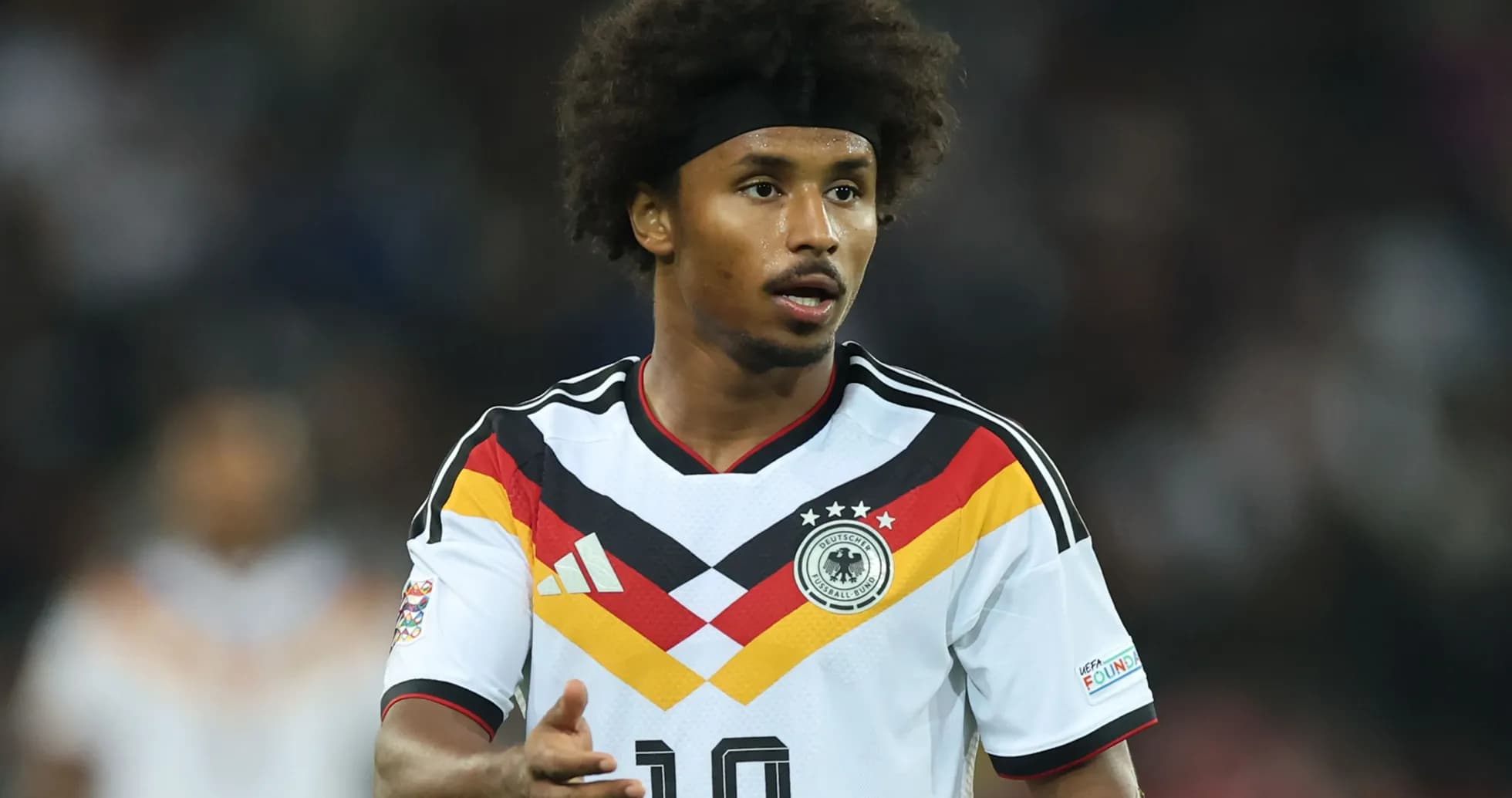
Jürgen Klopp’s first major squad call as national coach has triggered a storm of debate, with the 24-year-old Barcelona forward missing from the 24-man DFB list for the upcoming games against Serbia and the Netherlands. On form alone, many expected him to be one of the first names on it.
Instead, he is the headline omission.
A fast start at Barça, a sudden stop with Germany
Adeyemi’s numbers this season are the kind that usually secure a plane ticket, not a place on the sofa. Seven goal contributions – four goals and three assists – in 14 competitive matches for Barcelona, at a club where attacking players are scrutinised more than most, suggest a player who has finally found a rhythm that often deserted him at Borussia Dortmund.
He has carried that speed and directness into the national team under Klopp, at least in terms of minutes. Adeyemi played 80 minutes in one of Klopp’s first matches in charge and 15 in the other, both against the Netherlands. It was enough to show the familiar threat in behind, but not enough, it seems, to convince the new Bundestrainer that he can be trusted without the ball.
Because for all the talk about Adeyemi’s goals and pace, the discussion around his omission keeps circling back to something far less glamorous: defensive work.
Weidenfeller: “Jürgen does not like that at all”
Roman Weidenfeller, who knows Klopp as well as anyone from their shared years at Borussia Dortmund, did not dance around the issue on Sky’s “Triple – Der Hagedorn-Fußballtalk”.
“He started very well against the Netherlands,” Weidenfeller said, recalling Adeyemi’s recent Germany performance. “But unfortunately he blasted a great chance over the bar. That would have been the winning goal for Germany in Holland.”
That miss still stings. Yet for Weidenfeller, it was what happened when Germany didn’t have the ball that really mattered.
“Karim was too slow to react and track back, time and again. And Jürgen Klopp does not like that at all. Of course, Jürgen gives you every freedom going forward, but you always have to track back.”
Those are the details that define Klopp’s football. The sprint after losing the ball. The second and third run to close a passing lane. The willingness to suffer without possession. Weidenfeller believes those “little things” may have tipped the scales against Adeyemi.
“I think those are the little things that end up bothering Jürgen, and perhaps that could be why he wasn’t called up. Maybe as a little warning.”
A warning, not a verdict. But a loud one.
From Dortmund doubts to Barcelona belief
Adeyemi’s Germany career has never quite taken off. Since his debut in autumn 2021, he has collected 13 caps but has not managed to establish himself as a regular starter. The reasons are familiar: inconsistency, injuries, and long spells where his impact faded.
At Borussia Dortmund, he often flashed brilliance then vanished for weeks. That inconsistency followed him in every conversation about his potential.
The move to Barcelona in the summer – a €22 million transfer – raised eyebrows. He is now back under the guidance of Hansi Flick, the man who first brought him into the national team. And once again, the spotlight turned harsh.
“There were critical voices,” Dietmar Hamann admitted. “Some questioned Hansi Flick and asked why he was putting himself through bringing Adeyemi to Barcelona. They paid a lot of money for him, but so far he has done superbly.”
Hamann’s assessment cut straight to the point.
“He has scored important and fine goals and has also put the team first to some extent. You have to do that when you join a world-class club like FC Barcelona. He has repeatedly had high points, but he also disappeared for long spells at Dortmund. Recently, he has been relatively consistent.”
That last sentence is the key. Adeyemi finally appears to have strung performances together at club level. Which is why Hamann, like many, fully expected to see his name in the DFB squad for the November fixtures against Serbia on the 13th and the Netherlands on the 16th.
Hamann “surprised” as Klopp backs other profiles
“I was surprised that Jürgen Klopp didn’t take him,” Hamann said bluntly. “We know that pace is an incredible weapon in modern football. When you look at the squad, there aren’t many players in it who have that pace.”
In a team that has often been accused of lacking pure speed in transition, leaving out one of the quickest attackers in Europe feels like a calculated gamble.
Klopp has instead opted for a different mix in the attacking midfield and wide positions. Said El Mala (1. FC Köln), Derry Scherhandt (SC Freiburg), Florian Wirtz (Liverpool), Lennart Karl (Bayern Munich), Brajan Gruda (RB Leipzig) and debutant Wael Mohya (Borussia Mönchengladbach) have all been called up ahead of Adeyemi.
It is a group that offers creativity, pressing energy, and tactical discipline, but not the same raw, blistering pace. That contrast only sharpens the focus on Klopp’s message: talent alone is not enough. Not in this Germany side.
A tight Nations League table, and a tightening leash
The timing of the decision adds more weight. After four Nations League matches, Germany sit third with five points, three behind the Netherlands and Greece. Only the top two qualify for the next round.
This is not a testing ground anymore; it is a qualification fight. Every selection says something about trust, about reliability, about who a coach believes will run hardest when the margins shrink.
For Adeyemi, the signal is clear. His form at Barcelona has put him back on the map, but not yet in Klopp’s inner circle. Not while questions linger about his work without the ball.
The door is not closed. The warning has been issued. The next move, as so often in his young career, is his.