Katie Taylor's Final Bow at Croke Park: A Historic Night
On Saturday night, as Katie Taylor walks into Croke Park for what is expected to be her final bow, one man in the stands will bridge 54 years of Irish boxing history with a single glance at the ring.
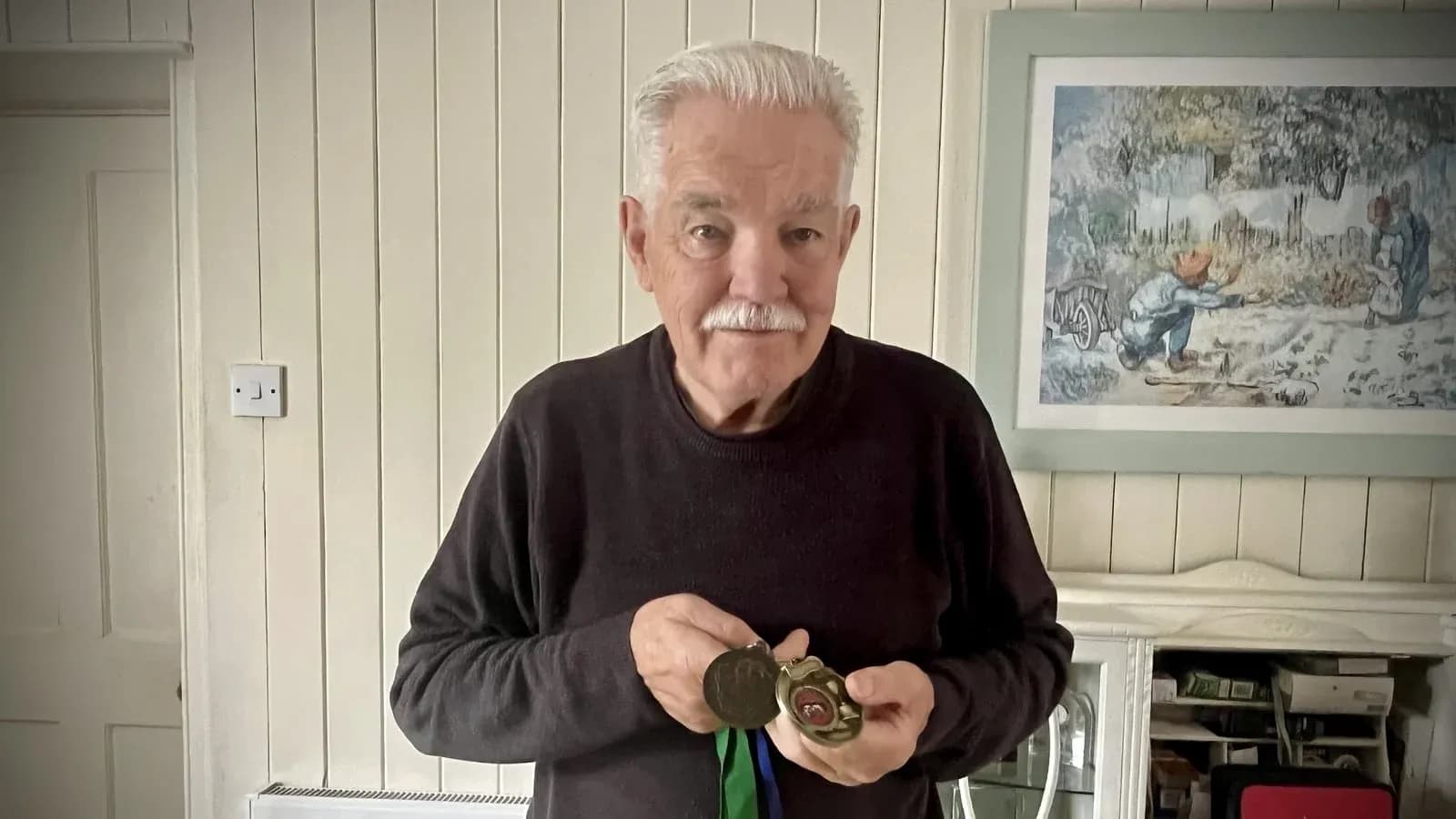
Paddy Doherty, from Ballyshannon in Co Donegal, knows exactly what it feels like to box under those famous Hogan Stand lights. He did it when Muhammad Ali came to Dublin in 1972. Now, at the invitation of Taylor’s camp, he will sit with his family in the Ard Chomhairle seats and watch Ireland’s greatest modern fighter close the circle he helped open.
Back then, Croke Park drew 18,000 people to see Ali stop Al “Blue” Lewis in the 11th round on a July evening that has long since passed into Irish sporting folklore. Doherty was on the undercard that night and made his own mark, halting Welshman Bobby Ruff in the second round. A Donegal lad sharing a stage with “the greatest” in a city rattled by the Troubles, in a year when the Five Nations was abandoned because Scotland and Wales refused to travel to Dublin. It was chaos outside the ropes, but magic inside them.
The man who made that spectacle happen was Michael “Butty” Sugrue, the Kerry circus strongman turned promoter who somehow persuaded Ali to fight in Ireland. Professional boxing never came back to Croke Park after that. Not until now.
For Doherty, the return has already been emotional. He still sounds slightly stunned when he recalls the knock on the door in Donegal.
“Brian Peters called that he was in Donegal,” he said. “That morning, my wife said ‘Katie Taylor’s after coming in past the house’. I couldn’t believe it.”
Taylor and her long-time manager had come to invite him to her farewell. To make sure that the last Irishman to box at Croke Park would be there when the first Irishwoman does the same.
“What she has done for Irish boxing all over the world is remarkable,” Doherty said. “Out from that, she’s a real lady. They invited the whole lot of us on Saturday night. It was a nice surprise. He said, ‘I’ll see you in Croke Park’.”
Doherty’s own journey began far from such grand stages. He started boxing in Ballyshannon at 11, climbed through the amateur ranks and collected Ulster and Irish titles from juvenile to senior. He boxed his way onto the international scene as a light-middleweight, winning 15 times and losing only once in the Irish vest.
He took Commonwealth Games bronze in Edinburgh in 1970, representing Northern Ireland through his Fermanagh-born father. The professional ranks soon beckoned. He turned over in 1971 and moved to London, where his connection with Ali first took shape. That October, he boxed on an Ali undercard at the Royal Albert Hall, when the American faced Johnny “Gypsy” Frankham in an exhibition.
So when Ali agreed to fight in Dublin the following summer, Doherty’s name was a natural addition to the bill. He remembers the weigh-in at the Gresham Hotel, the electricity in the air, the moment that still makes him smile.
“He tapped me on the head coming into the ring (in Croke Park),” Doherty said.
The fight itself became a stampede of adoration.
“Most of the crowd came over the barrier into the ring. Even the security and the guards couldn’t keep them back, just to get to Ali.”
Now Croke Park is ready for a different kind of invasion. More than 80,000 are expected, the biggest crowd ever to watch a boxing match in Ireland. Ali drew 18,000. Taylor will more than quadruple that.
At 38, the multi-weight world champion is expected to call time on a career that has transformed the sport in Ireland and far beyond. Her opponent, Flora Pili, is 29, undefeated, and hungry. Doherty respects that, but he trusts experience.
Asked about the French challenger, he went straight to tactics.
“If I’m talking to her before the fight, I’ll tell her, ‘if she keeps coming to her, to tie her up in knots … let the referee do the breaking and get back for boxing’,” he said.
That is the voice of a man who has lived it, who knows how a fight can change with one clever adjustment.
Doherty’s own career ended abruptly in his 20s after injury. No farewell tour. No stadium send-off. Just the quiet reality that it was over. Perhaps that is why Saturday matters so much to him.
He has watched Taylor drag Irish boxing into a new era, watched young girls and boys pick up gloves because of her, watched packed arenas at home and abroad rise to her name. He has seen what Brian Peters has done behind the scenes and calls the manager’s contribution “fantastic”.
Now he will walk back into Croke Park not as a fighter, but as a witness.
“I will be there (tomorrow night) for Katie Taylor; she’s so calm and nice … a down-to-earth girl,” he said. “What she’s done for boxing will never be done again.”
Once, Croke Park belonged to Ali for a night. On Saturday, it belongs to Katie Taylor. And somewhere high in the stands, Paddy Doherty will look down at the ring and know he has seen both eras from the closest possible seat.