Kawhi Leonard's Uncle Dennis: Power and Fallout in NBA
There’s an “Uncle Dennis” in almost every locker room in pro sports. The relative or childhood friend who promises to handle the business side so the star can chase championships – and then fumbles the ball in spectacular fashion.
In Kawhi Leonard’s world, Uncle Dennis wasn’t a punchline. Dennis Robertson was power. He was gatekeeper, negotiator, and, for a time, one of the most feared hustlers in NBA circles.
On Wednesday, that power evaporated.
The NBA hit the L.A. Clippers with some of the harshest sanctions in league history and banned Robertson from dealing with any team, player or league employee for five years, ruling he helped the Clippers skirt salary-cap rules that underpin the sport’s competitive balance.
The hammer didn’t surprise insiders. The details did.
Raptors say no, Clippers say yes
The league’s investigation, led by law firm Wachtell, Lipton, Rosen & Katz, dragged into the light what executives had whispered about since 2019, when Leonard entered free agency fresh off a Finals MVP and a title run with the Toronto Raptors.
Back then, three glamour franchises lined up: the Raptors, the L.A. Lakers and the Clippers. According to the report, Robertson went to each with a shopping list that had nothing to do with the Collective Bargaining Agreement.
He pushed for equity stakes in teams. Housing. Private transportation. Off-court income streams, including endorsement deals tied to team business partners. The kind of asks that blow past the line between aggressive negotiation and outright rule-breaking.
At MLSE, Raptors owners took that list to the very top. Larry Tanenbaum, chair emeritus of the organization, and Edward Rogers, executive chair at Rogers Communications Inc., were aligned. They would pay Leonard. They would not pay that price.
They said no to Uncle Dennis.
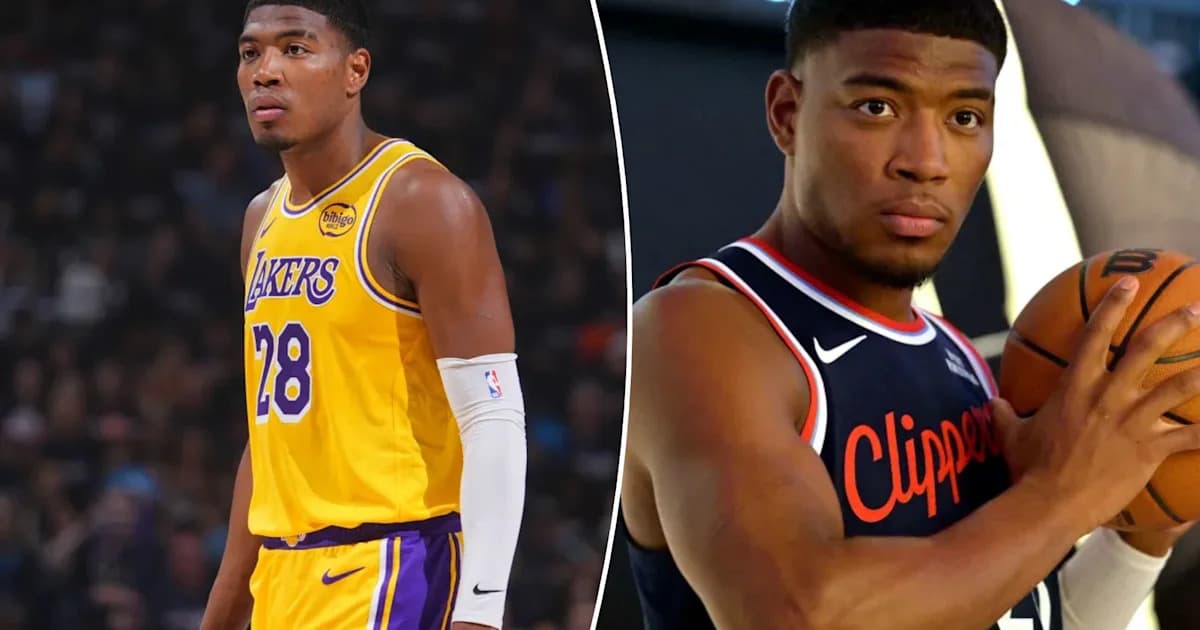
The Clippers, backed by Steve Ballmer’s enormous personal fortune from his Microsoft days, chose a different path. The NBA says Ballmer’s organization effectively said yes to much of Robertson’s wish list, helping orchestrate a web of off-court income around Leonard.
Robertson chased US$10-million in endorsement income on top of Leonard’s basketball contract, which will pay him US$50.3-million next season. The Clippers’ ecosystem delivered. Leonard ultimately made tens of millions from four companies with ties to the franchise.
The work required? Almost none.
The report details that three of those companies paid Leonard US$18-million while receiving virtually nothing in return. His only confirmed activity: a single visit to a military base under one agreement and signing some memorabilia under another. That was it.
The pressure finally told on Wednesday.
Heavy price for the Clippers
Commissioner Adam Silver didn’t just wag a finger. He stripped the Clippers of five first-round draft picks – the lifeblood of an NBA franchise – and levied a US$30-million fine.
Ballmer, a courtside regular and one of the league’s most visible owners, is suspended from all NBA activities for a year. The league’s language was blunt: he is sidelined for “knowingly seeking to help Mr. Leonard obtain off-court income opportunities.”
The message to the rest of the league was even blunter. The CBA is not a suggestion.
For Toronto, the fallout lands very differently.
Leonard returns to a different Toronto
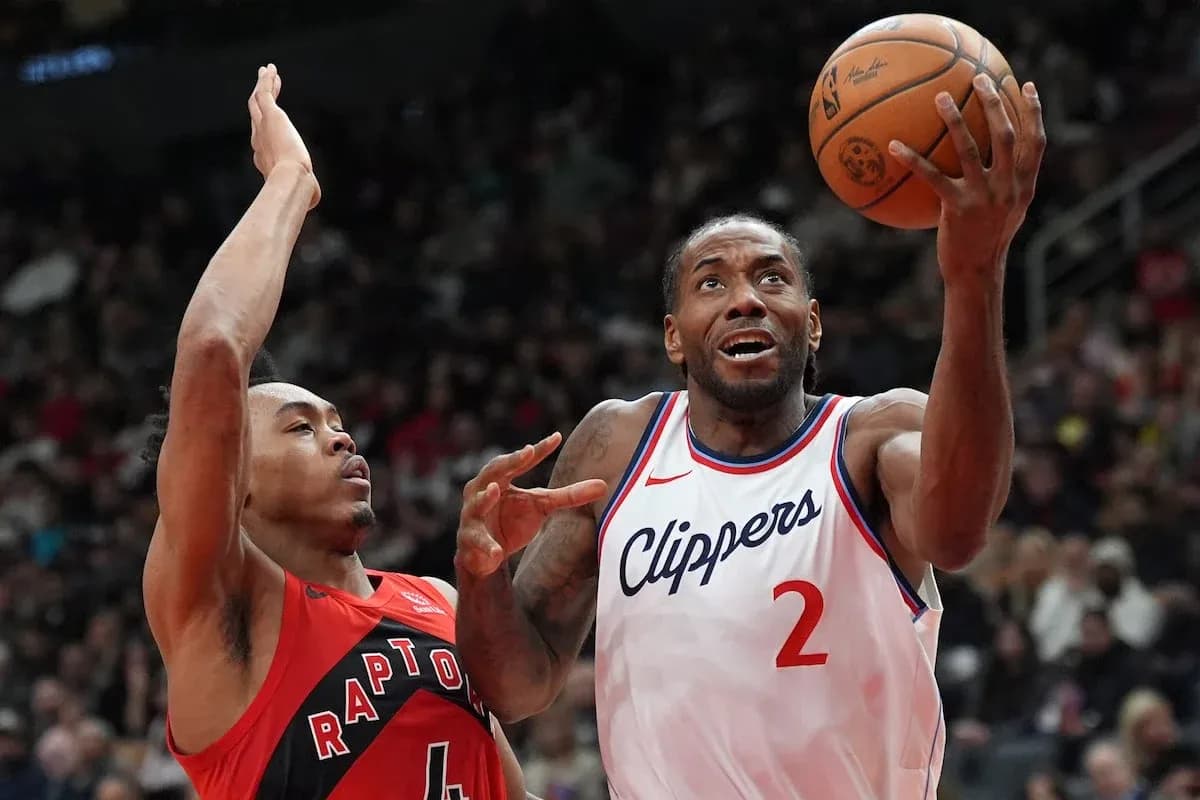
Leonard will suit up again for the Raptors this season, entering the final year of a US$149.5-million, three-year contract. The player at the centre of the storm is not dodging the mess his uncle created.
As part of the sanctions, Leonard will pay the NBA US$700,000 to cover travel, tickets and gifts he received and never paid for. A relatively small cheque in the context of his earnings, but a public acknowledgement all the same.
Robertson’s influence over Leonard stretches back to tragedy. When Leonard was 16, his father was murdered at the family car wash he owned. Robertson stepped in as mentor and, eventually, as business manager. That personal history made Wednesday’s ban as much about family as finance.
Leonard chose his words carefully in a statement released through his new agent, saying he accepted “full responsibility for lapses in judgment by people within my inner circle and regret the distraction this situation has caused the fans and my family.”
The low-profile star who once ghosted the spotlight in Toronto has been more visible this time around. Over the summer, he stood beside Tanenbaum, both grinning, at a news conference where former point guard Kyle Lowry returned to retire as a Raptor for a day.
“As I return to Toronto, I am focused on what I can control, closing this chapter, and moving forward with a clean slate,” Leonard said.
A clean slate for him. A vindication for others.
Vindication at the top
For Tanenbaum, Leonard’s homecoming lands as a final statement on how he chose to run the franchise. A career spent preaching that you can win big without cutting corners now has a high-profile case study.
He is expected to sell his stake in MLSE to Rogers for $4.35-billion this fall. Leonard’s return, underlined by the league’s damning report on the Clippers, becomes a bittersweet parting gift: a superstar back in Toronto and a culture burnished rather than stained.
For Edward Rogers, the timing could hardly be better. Rogers Communications is courting institutional investors, looking to sell a minority stake in sports assets it values at $25-billion to help raise money and reduce debt.
Leonard’s face, and that iconic series-winning shot over the Philadelphia 76ers, will be front and centre in those pitches to the world’s biggest fund managers. The narrative writes itself: a marquee player choosing a market that once struggled to lure elite free agents, and doing it under the banner of doing things the right way.
The Raptors, once an afterthought in free agency, now hold up Leonard’s return as proof of a culture that resonates with players and boardrooms alike.
The Clippers will spend the next half-decade paying for their choices in draft picks and reputation. The Raptors will spend the next season seeing just how far a clean slate and a clear conscience can take a franchise that dared to say no when Uncle Dennis came calling.