Knicks Seek Veteran Depth Behind Centers: Chris Boucher as a Solution
The New York Knicks’ depth chart has one stubborn blank space left on it, and it sits behind their centers.
Ariel Hukporti is gone. Jonas Valanciunas slipped away. Moussa Cisse never arrived, his offer sheet snapped up by the Dallas Mavericks. Training camp is closing in, and what once looked like a routine third-string signing has turned into a slow, careful search.
Now, one name is starting to circle the conversation: Chris Boucher.
A Veteran Answer to a Simple Question
The Knicks don’t need a star. They need insurance. A big body who can survive playoff minutes if disaster strikes, stay ready when it doesn’t, and blend into a locker room that believes it has a legitimate shot at a title.
That’s where Boucher makes sense.
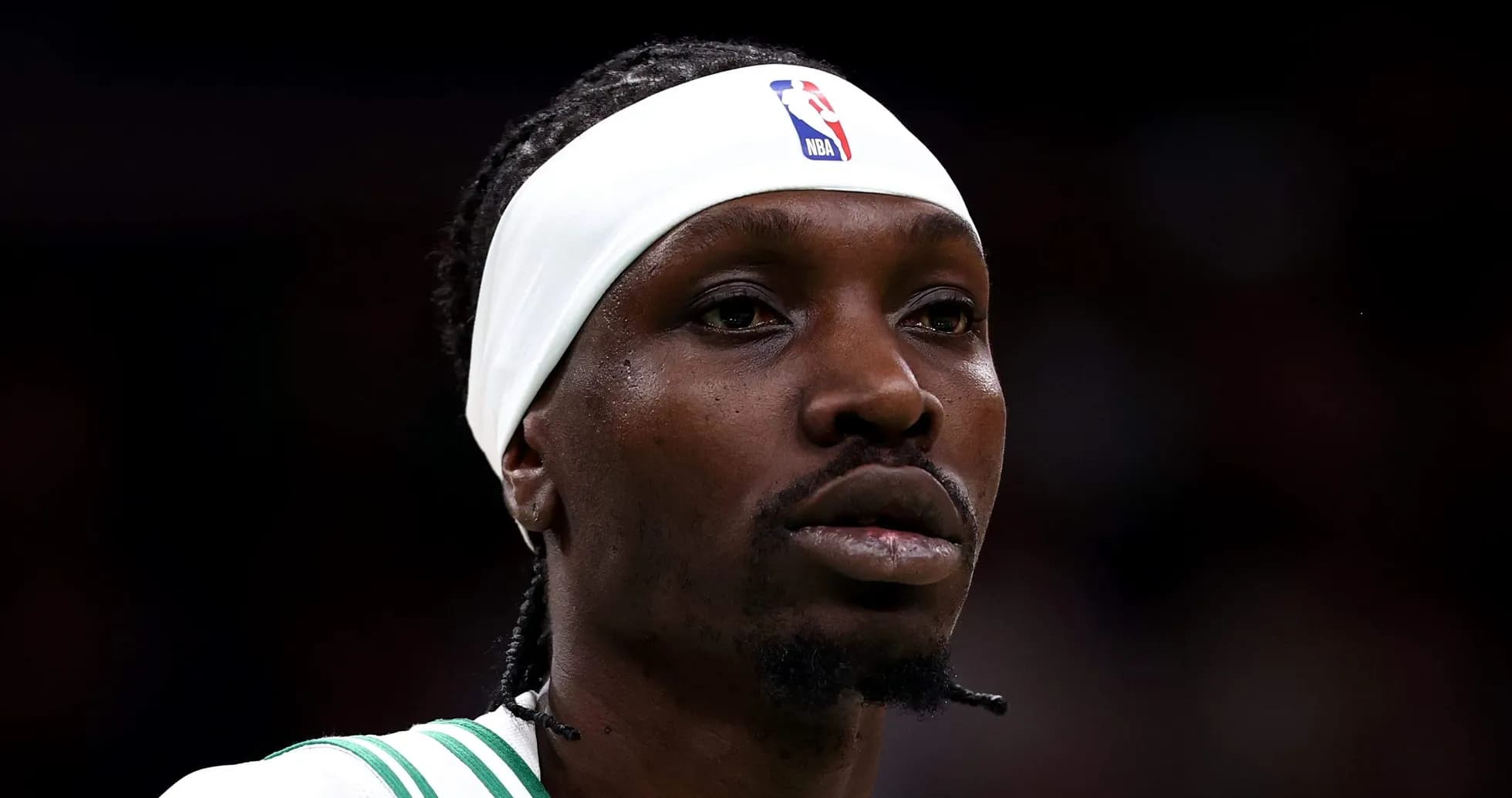
Joseph Randazzo of Knicks on SI floated the idea, framing Boucher as an “inexpensive option” who could steady the back end of the rotation. He’s 33, he’s been around championship-level environments, and he’s seen pressure from the front row, even if not always from center stage.
Boucher was on the 2018–19 Golden State Warriors during their Finals run and then with the 2019–20 Toronto Raptors as they tried to defend their crown. The roles were small, but the lessons were big: how to prepare, how to accept minutes that come in short, sharp bursts, how to stay professional when your name isn’t on the marquee.
For a contender, that matters as much as any box score.
Versatility in a Small Package Role
On the floor, Boucher offers something the Knicks value: flexibility. He can slide across the frontcourt, giving Mike Brown another body who can toggle between the 4 and the 5 depending on matchups.
He’ll stretch the floor just enough to keep defenses honest, step into threes, and still give you some weak-side rim protection. He’s long, active, and has built his career on doing the dirty work in the gaps between stars.
This isn’t about reshaping the rotation. It’s about giving the bench another look, another style, another emergency option.
A Difficult Year, A Motivated Player
If New York does turn to Boucher, they’ll be betting on a bounce-back from a difficult season.
Last year, he never found a rhythm. He split time between the Boston Celtics and the Utah Jazz and struggled to plant his feet in either place.
For Boston, he appeared in only nine games under Joe Mazzulla. In those brief stints, he averaged 2.3 points and 2 rebounds, shooting 32% from the field and just 13.3% from three. Then came the trade to Utah, followed by a waiver. The rest of his year played out from the sidelines.
That kind of season can bury a veteran. It can also sharpen one.
Drop Boucher into a clearly defined role on a team with structure, and you’re not asking him to be anything more than what he’s already been at his best: a reliable, energetic bench piece who knows how to fit into a culture that expects to win.
Not the Only Path
Of course, Boucher is just one name on a board that still has several.
The free-agent market still holds other big men who could fill that third-string slot. Some are younger, some are more traditional centers, some may be available at a similar price point. On top of that, there are trade options that could emerge if another team decides to reshuffle its frontcourt.
New York doesn’t have to rush. The front office can wait out the market, monitor camp cuts, and see which veterans shake loose once rosters tighten. Every year, a big gets waived or asks out of a situation that no longer fits. Every year, a contender quietly scoops one up.
The Knicks could even decide to roll into the season with just two bigs firmly in the rotation and leave the third spot open, trusting flexibility and midseason movement more than an early signing.
Time, Patience, and One Empty Seat
Right now, the Knicks hold leverage: they have a clear need, but not an urgent one. They can afford to be picky.
Boucher represents a clean, understandable solution — a veteran with size, experience, and a skill set that doesn’t demand touches or minutes to make sense. He’s not a headline move. He’s the kind of signing you forget about until a Tuesday night in February when injuries hit and he suddenly plays 14 hard minutes that help you steal a game.
Whether New York makes that call or looks elsewhere, the message from the front office is clear: that last roster spot matters. On a team with championship ambitions, even the third-string big can shape a season in ways you only recognize when it’s too late to fix.
The Knicks still have time to get it right. The question is whose name will finally fill that quiet, lingering gap on the depth chart.