La Liga Bodycam Footage Reveals Referee's Perspective in El Clásico
For years, the debate around referee bodycams has rumbled on in football. Novelty or necessity? Gimmick or game-changer? La Liga’s latest move might just have settled the argument.
Spain’s top flight has released bodycam footage from last weekend’s Clásico between FC Barcelona and Real Madrid, a 2–1 win for the visitors, filmed from the perspective of referee Juan Martínez Munuera. It is as close as the sport has come to putting fans inside the eye of the storm.
From the first whistle, the images rip away the safe distance of the television gantry. The camera jolts with every sprint, every change of direction, every collision of bodies. The sound hits next: the roar of the crowd, the snap of tackles, the constant hum of protest and persuasion from players who know exactly what a single decision can mean.
One moment, Martínez Munuera is tracking play on the halfway line. The next, he is weaving between challenges, ducking out of passing lanes, trying to keep the best possible angle as Barcelona probe and Real Madrid counter. The pace feels relentless. There is no pause button, no chance to rewind.
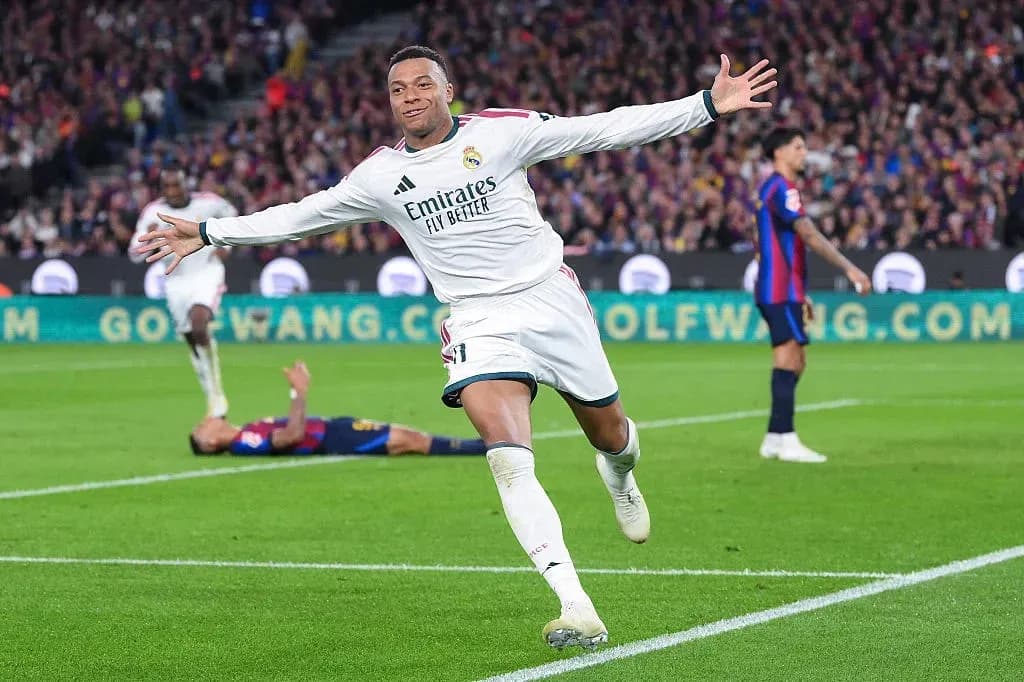
Then come the faces. Kylian Mbappé strides into view, close enough that you can see the tension in his expression as he questions a decision. Rodri appears in another frame, gesturing, arguing his case, trying to shape the next call. The bodycam shrinks the distance between superstar and official to almost nothing; you see not just who they are, but how they operate in the heat of a match of this magnitude.
The pressure is constant. Every foul triggers an instant inquest. Every advantage waved on is greeted with a chorus of complaint from one side and demands for consistency from the other. The referee’s voice cuts through it all, issuing instructions, calming tempers, explaining decisions in real time while the ball is already moving again.
What the footage underlines, more than any refereeing seminar or post-match interview ever could, is the sheer cognitive load. Martínez Munuera is not just enforcing the Laws of the Game. He is managing distance, angles, player safety, game rhythm, dissent, and the emotional temperature of a stadium that lives for this rivalry.
The atmosphere of a Clásico has always been described as suffocating. From the referee’s vantage point, it feels even tighter. The whistles from the stands when a decision goes against the home side. The surge of noise when a counterattack breaks. The split-second in which a yellow card must be produced or pocketed, knowing that either choice will be dissected for days.
Bodycams have sometimes been dismissed as intrusive or theatrical. This footage pushes back hard against that idea. It does not glamorise the role; it strips it bare. The job looks less like authority from on high and more like survival in the middle of a storm, armed only with a whistle, a rulebook, and a sense of conviction.
For anyone who has ever shouted at a screen, accusing a referee of losing control or “bottling it,” these images offer a different perspective. Not a plea for sympathy, but a reminder of the scale of the task: 22 elite athletes, two coaching staffs, a global audience, and one person expected to hold the line.
In a sport that increasingly demands transparency, La Liga has taken a bold step. By letting supporters see what Martínez Munuera saw, it has opened a window onto one of the game’s most scrutinised, least understood roles.
The next time El Clásico erupts around a controversial decision, those who have watched this footage may still argue, still rage, still dissect every call. But they will do so with a clearer sense of what it means to stand where the referee stands, in the one place on the pitch no player ever wants to be.