Lakers Eyeing Herb Jones Amid Trade Speculation
The Los Angeles Lakers are rolling. This is their sharpest start to a season since the 2019-20 title run, and they’re sitting level with the San Antonio Spurs atop not just the Western Conference, but the entire NBA.
They don’t look like a team crying out for help.
They’ll still be in the market.
Questions about their wing and frontcourt depth followed them into the year, and while Ziaire Williams has softened some of the concern on the perimeter with an impressive start, the hole behind Walker Kessler in the middle hasn’t gone away. The front office is expected to stay active as the trade deadline creeps closer, hunting size first, flexibility second.
In the meantime, one familiar name refuses to leave the Lakers’ orbit.
Herb Jones Again Linked to Lakers in Wild Five-Team Concept
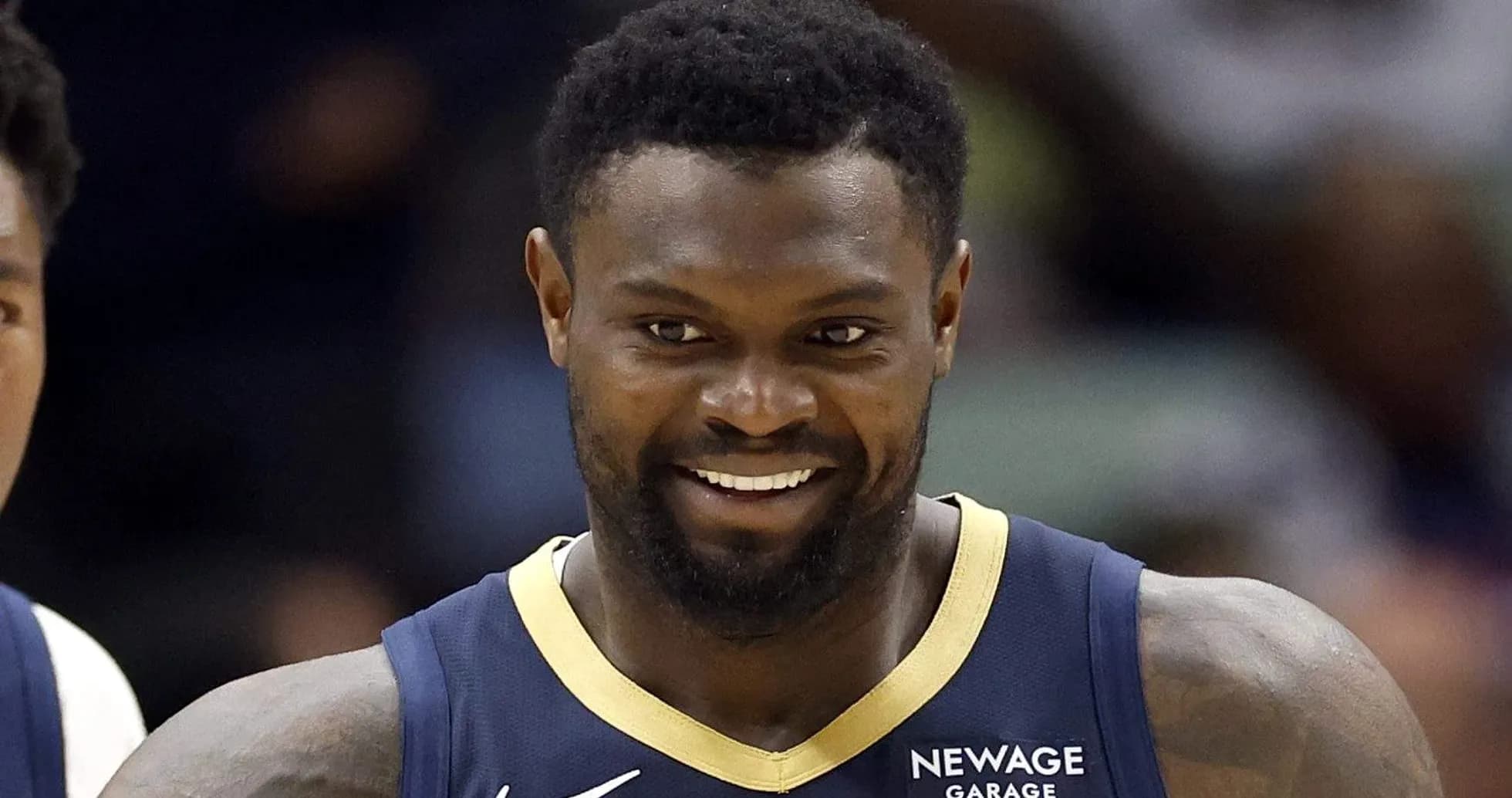
Herb Jones has lived on the Lakers’ rumor mill for a couple of seasons now. The New Orleans Pelicans swingman, long viewed as one of the league’s premier defensive wings, keeps surfacing whenever Los Angeles is mentioned as a buyer.
The backdrop in New Orleans only fuels it. The Pelicans look to be drifting toward another frustrating, underachieving campaign. If that continues, they could flip from hopeful contender to aggressive seller by February.
That’s where a sprawling five-team trade concept, cooked up by a Fanspo.com trade machine user, comes in. It’s not a report, not a negotiation—just a framework—but it captures the kind of chaos that could unfold if New Orleans decides to detonate the roster:
- Lakers receive: Herb Jones
- Clippers receive: Zion Williamson
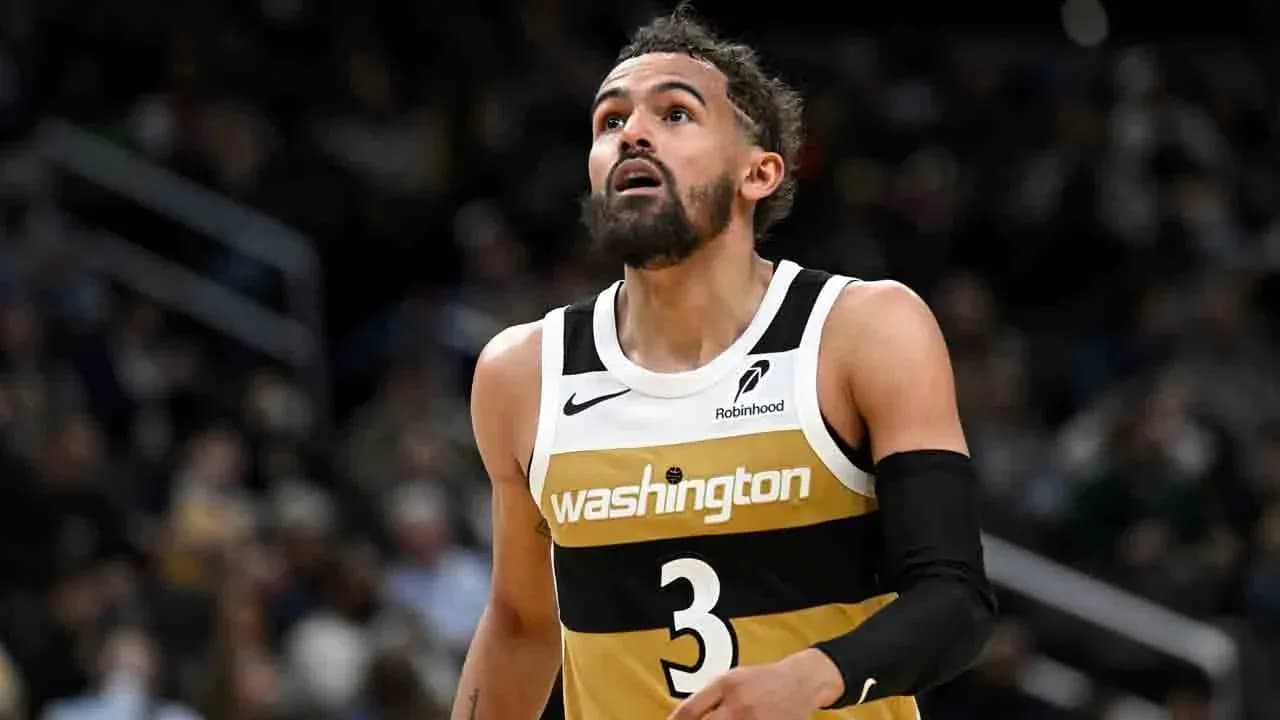
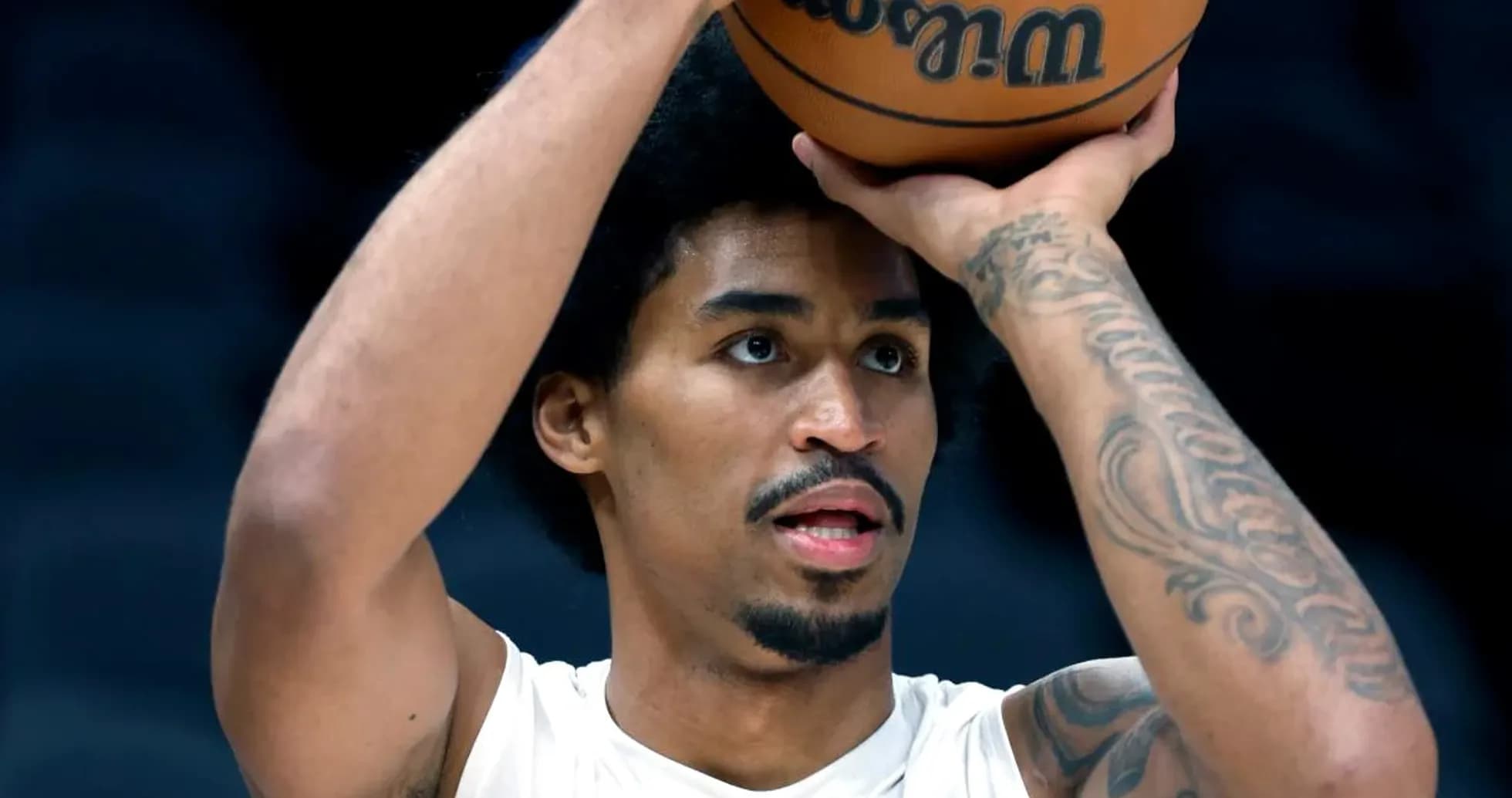
- Pelicans receive: Max Strus, Derrick Jones Jr., Gradey Dick, Jalen Green, Jake LaRavia, Kevon Looney, Cameron Johnson, Julian Strawther and a stack of draft picks
- Suns receive: Dejounte Murray
- Nuggets receive: Trey Murphy III
Four major Pelicans pieces—Jones, Williamson, Murphy and more—would be shipped out for eight players and double-digit draft picks. It’s the type of massive reset you only see on a trade machine, and timing matters: someone like Kevon Looney can’t even be moved until Dec. 15 under league rules.
Still, the structure raises a simple question in Los Angeles: if something like this ever came close to reality, would the Lakers actually be better for it?
Is Herb Jones Worth the Price for L.A.?
On paper, Jones fits a lot of what the Lakers like. He’s 28, long, disruptive and comfortable guarding up and down the lineup. In this scenario, they’d be giving up just two players and two second-round picks—those picks originally acquired in the Deandre Ayton-to-Washington Wizards deal—to land him.
For a franchise chasing margins around its stars, that sounds like smart business.
The numbers tell a more complicated story.
Jones is in a slump. He averaged a career-low in points last season and has stumbled out of the gate again, putting up just 6.1 points per game while shooting 37 percent from the field and 25 percent from three. His offensive growth has stalled, and that matters on a roster that already leans heavily on its top-end creators.
That’s where the internal debate starts. Is it worth surrendering two second-rounders and a steady rotation piece like Jake LaRavia for a specialist who hasn’t shown much offensive punch in recent seasons? Some fans would balk at that, especially when the team’s most glaring need isn’t actually on the wing.
The Lakers can always use another perimeter stopper. But they can’t ignore the paint.
Center Still the Priority
Every recent indication out of Los Angeles points in the same direction: the front office is scouring the market for a center who can log reliable minutes behind Walker Kessler. That’s the priority. That’s where they believe the biggest jump in nightly stability lies.
A Jones-type deal, if it ever moved beyond the trade-machine stage, would sit a tier below that on the agenda. He might be on their radar, but he isn’t the bullseye.
The likely sequence is clear. First, find a big man who can anchor bench units, soak up fouls and keep the defensive standard high when Kessler sits. Then, and only then, consider whether it’s worth spending picks and depth to upgrade on the wing.
For a team already playing like a contender, the margin for error is thin. The Lakers don’t need to chase noise. They need to pick the one move that actually shifts their ceiling.