Lamine Yamal on Daily Racism Experiences: 'A Thousand Times'
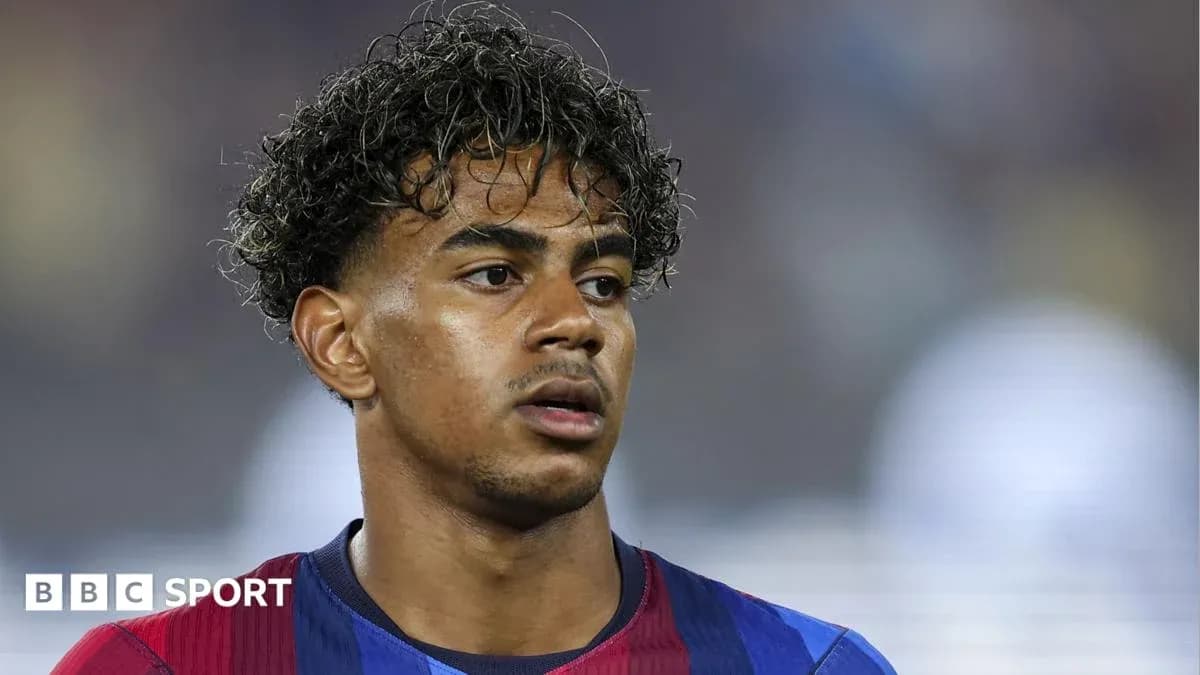
Lamine Yamal is 19 years old, a World Cup winner and one of the brightest talents in world football. And he says he has experienced racism “a thousand times.”
The Barcelona winger laid out the scale and the subtlety of what he lives with in an interview with Spanish broadcaster Movistar, describing a steady drip of comments and looks that cut far deeper than many people realise.
“People are indirectly racist toward you, but maybe don't realise it,” he said. “There are a lot of comments or looks that are racist and they don't even notice.”
This is not an isolated complaint from a hypersensitive star. It sits on top of hard numbers.
Earlier this year, the Spanish Observatory on Racism and Xenophobia, a government agency, reported that Lamine Yamal and Real Madrid winger Vinicius Jr were the two most frequent targets of online racist abuse in Spain in the final quarter of 2025. The country’s two great clubs, its two great young attacking talents – and the two lightning rods for hate.
The abuse has not been confined to social media.
Lamine Yamal was among the Barcelona players targeted by racist insults during El Clasico against Real Madrid at the Bernabeu in October 2024, another chapter in a rivalry that has too often been stained by what happens in the stands rather than what unfolds on the pitch.
He has risen through that noise to help Spain win the World Cup in July, becoming a symbol of a new, fearless generation. The spotlight has grown. The racism, he says, has never really gone away – it has simply changed shape.
His own way of processing it is strikingly direct.
“If someone calls me Black, it's not going to bother me at all, ultimately I'm Black, I'm not any other colour,” he said. “Another thing is whether it's good or bad, whether they're saying it to offend me.”
There is a clear line in his mind between description and degradation. The word itself is not the problem. The intent behind it is.
That distinction matters in a country still grappling with how to police behaviour inside stadiums and on screens. It also underlines how often players are left to navigate this terrain alone, deciding in real time what to absorb and what to fight.
Lamine Yamal even framed abuse from the stands through the lens of his own performance and status as an entertainer.
“If I'm playing a match and they paid for a ticket to see me, I'm not going to get angry just because they disrespected me,” he said.
It is a brutally pragmatic stance from a teenager who should not have to be this hardened, this early. Yet it reflects the reality he describes: racism not as a shocking, rare event, but as a constant background hum in his life and career.
The numbers, the incidents, the words – they all point to the same question. How many more “thousand times” will players like Lamine Yamal and Vinicius Jr have to endure before Spanish football proves it is as serious about confronting racism as it is about celebrating its stars?