Lionel Messi: Two Decades of Ballon d'Or Dominance
Lionel Messi has spent a career bending football’s record books to his will. This time, the landmark is not a goal, a trophy, or a title. It is time itself.
Twenty years separate his first Ballon d'Or nomination, in 2006, from his latest one. Two full decades between a skinny teenager stepping onto the global stage and a veteran still shaping the game’s biggest nights. One generation of footballers has come and gone in the span of his candidacy.
From teenage prodigy to era-defining force
That first nomination arrived when Messi was just 19, still in the early chapters of his Barcelona story. He was already impossible to ignore: a wiry forward with a low center of gravity, a left foot that seemed magnetized to the ball, and a growing role in a Barça side on the rise.
Back then, the question was how far he could go. Now, the question is whether anyone will ever get close.
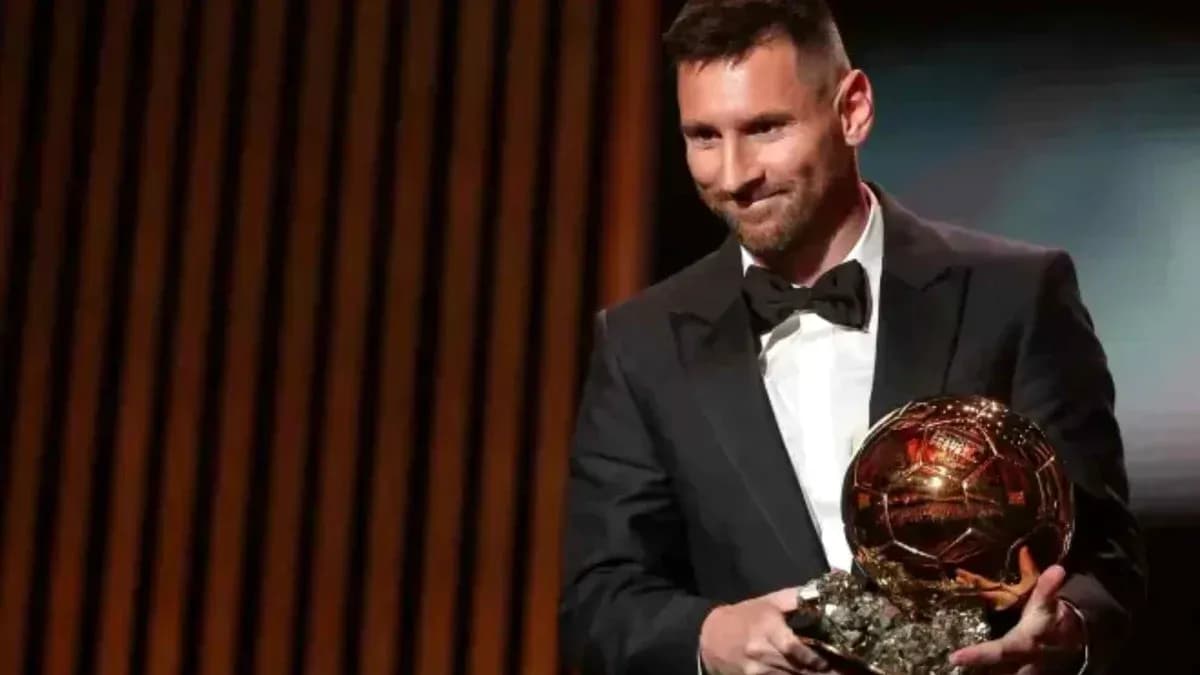
From that moment on, the narrative of modern football changed. Messi did not just collect Ballon d'Ors; he redefined what dominance looks like. Eight times he lifted the award, turning a prestigious individual honor into a symbol of his long-running hegemony over the sport.
A 20-year span that may never be matched
With his 2026 nomination, Messi has drawn a clean, almost surreal line: 2006 to 2026. Twenty years between his first and latest appearance among the finalists.
This is not just about how often he has won. It is about how long he has remained part of the conversation at the very top. Across those two decades, football has shifted tactics, styles, and superstars. Messi has outlasted them all.
He already owns a unique distinction: the only player to have won the Ballon d'Or in three different decades — the 2000s, 2010s, and 2020s — while representing three different clubs: FC Barcelona, PSG, and Inter Miami. Three eras, three shirts, the same standard of excellence.
Still decisive for club and country
This latest nomination does not arrive on reputation alone. Messi remains central both for Inter Miami and for the Argentina national team.
His year with Inter Miami underlined his continued influence in club football, as he stepped into a new league and still commanded attention every time he touched the ball. With Argentina, he once again led from the front, guiding the national team all the way to the final of the 2026 World Cup.
At an age when most legends are celebrated in farewell matches or sitting in the directors’ box, Messi is still shaping the outcome of the sport’s biggest competitions.
Chasing a ninth Ballon d'Or
Now comes another potential twist in a career already packed with them. If Messi’s name is called on October 26 in London, he will move to nine Ballon d'Ors — a figure that would stretch his own record into even more improbable territory.
Such a win would push his advantage over Cristiano Ronaldo to four, with Ronaldo’s tally standing at five. The rivalry that defined an era may have cooled on the pitch, but in the record books the gap could soon widen again.
Twenty years after that first nomination, Messi is still here, still relevant, still in the running for the game’s most coveted individual prize. The numbers say it plainly: eight Ballon d'Ors, three decades, three clubs, twenty years between first and latest nomination.
The only real unknown now is whether anyone, in any era to come, will ever manage to live this high, for this long.