Lionel Messi's Ambitious Move into Football Ownership
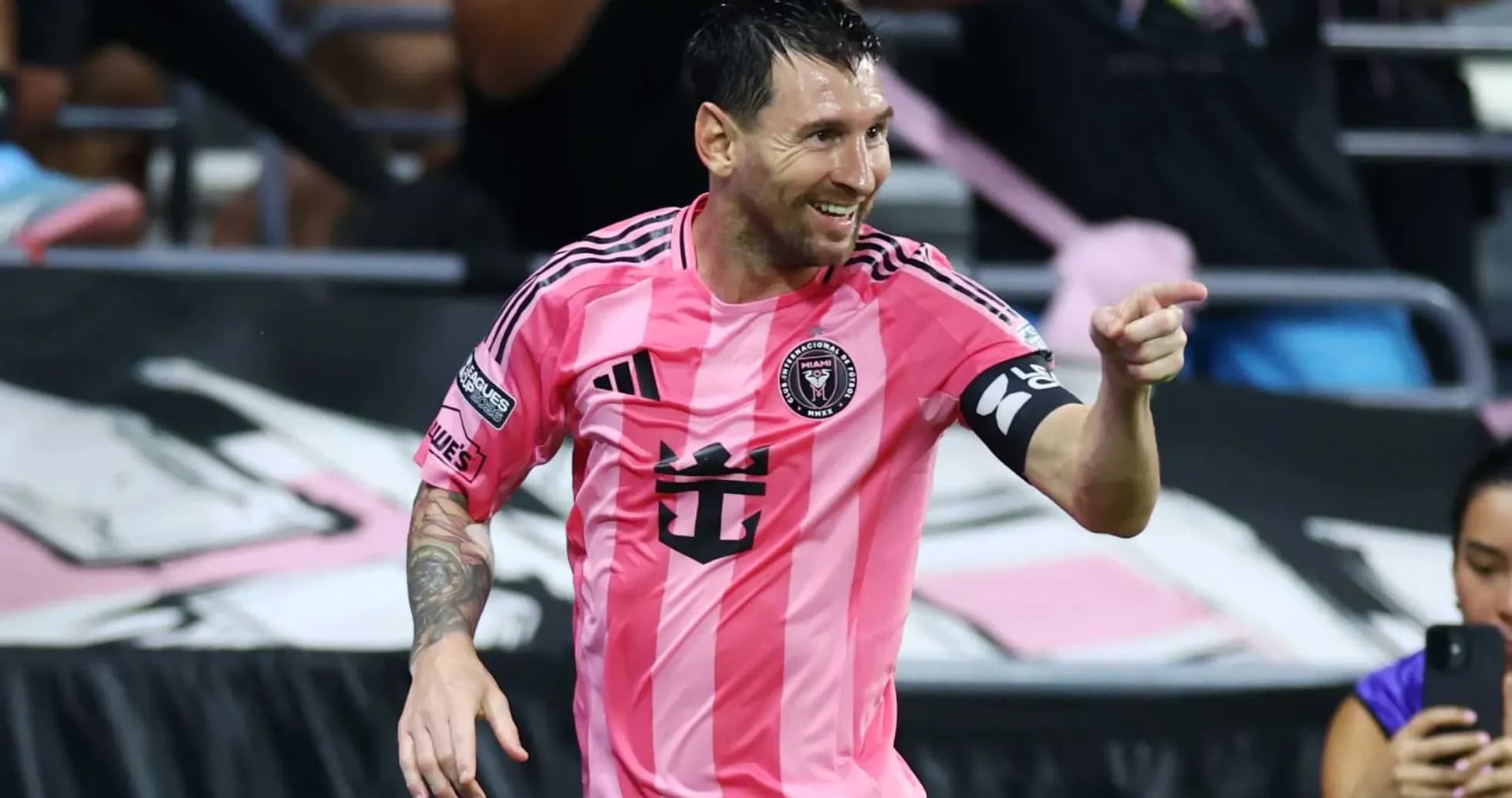
Lionel Messi is preparing to swap the dressing room for the boardroom in Spain, and not just as a side project.
According to Spanish daily Marca, the Argentine icon has reached a preliminary agreement to buy Eldense, a club freshly promoted to the Segunda División. If the deal is completed, Messi will own the club outright, with no third-party partners involved, in what would be his first move into Spanish professional football ownership.
This is not a one-off whim. It follows his purchase earlier this year of Cornellà, the Catalan third-division side, and signals a clear strategy: invest his post-playing legacy back into the sport, on Spanish soil.
Building a new empire near home
Eldense are based in Elda, in the province of Alicante, a region that offers Messi both opportunity and proximity. The city lies not far from Catalonia, where he intends to settle once his playing days at Inter Miami are over. The geography matters. So does the timing.
By targeting a club that has just climbed into the second tier, Messi is stepping into a project on the rise but still fragile enough to be moulded. Eldense are not a historic giant, not a sleeping giant, but a club trying to consolidate a hard-won promotion in a brutal division. The margin for error is thin. The potential upside for a well-run operation is huge.
Behind the move, as reported, sits a simple ambition: to put his money and name into football structures rather than side ventures detached from the game. Not as a mere ambassador, but as an owner with full control of the shares and the direction of the club.
A club in flux, on and off the pitch
Eldense are no strangers to change. The club last changed hands in October 2015, when an international investment group with Colombian roots, led by businessman Juan Carlos Trujillo, took over from Pascual Pérez. That era now looks close to its end.
In recent months, rumours swirled around a possible takeover led by Argentine Ricardo Beni, with figures of around 12 million euros mentioned. That story never quite landed. Now Messi’s name has returned to the table with far greater force, and with a deal that appears much closer to completion.
The timing is striking because on the pitch, the club is struggling. Eldense have taken just two points from their first four league matches in the Segunda División. On Monday, they sacked coach Claudio Barragán, making him the first managerial casualty of the second-tier season. The bench is empty, the team is wobbling, and the club is waiting for a new direction.
Into that uncertainty steps the prospect of Messi as owner. Not as a coach, not as a sporting director, but as the man at the top of the structure, deciding how the project should grow.
Legal checks, due diligence, and the final hurdle
For now, the agreement remains preliminary. The deal still has to clear the final legal and contractual procedures, including financial due diligence. Only after those checks are completed in the coming days can the purchase be officially sealed.
There is also a political and regulatory step: the Spanish National Sports Council must approve the operation. That sign-off will formalise Messi’s entry into the ownership circle of Spanish professional football.
If it goes through, Eldense will move from a Colombian-led investment group to one of the most recognisable faces in world sport. Cornellà will no longer be a lone outpost of Messi’s football business interests in Spain, but part of a growing network.
The question now is not whether Messi can change Eldense overnight. It is how far he intends to take this new role, and how many clubs in Spain will eventually fall under the gaze of one of the game’s greatest players turned owner.