Lionel Messi's Impact on Inter Miami and MLS
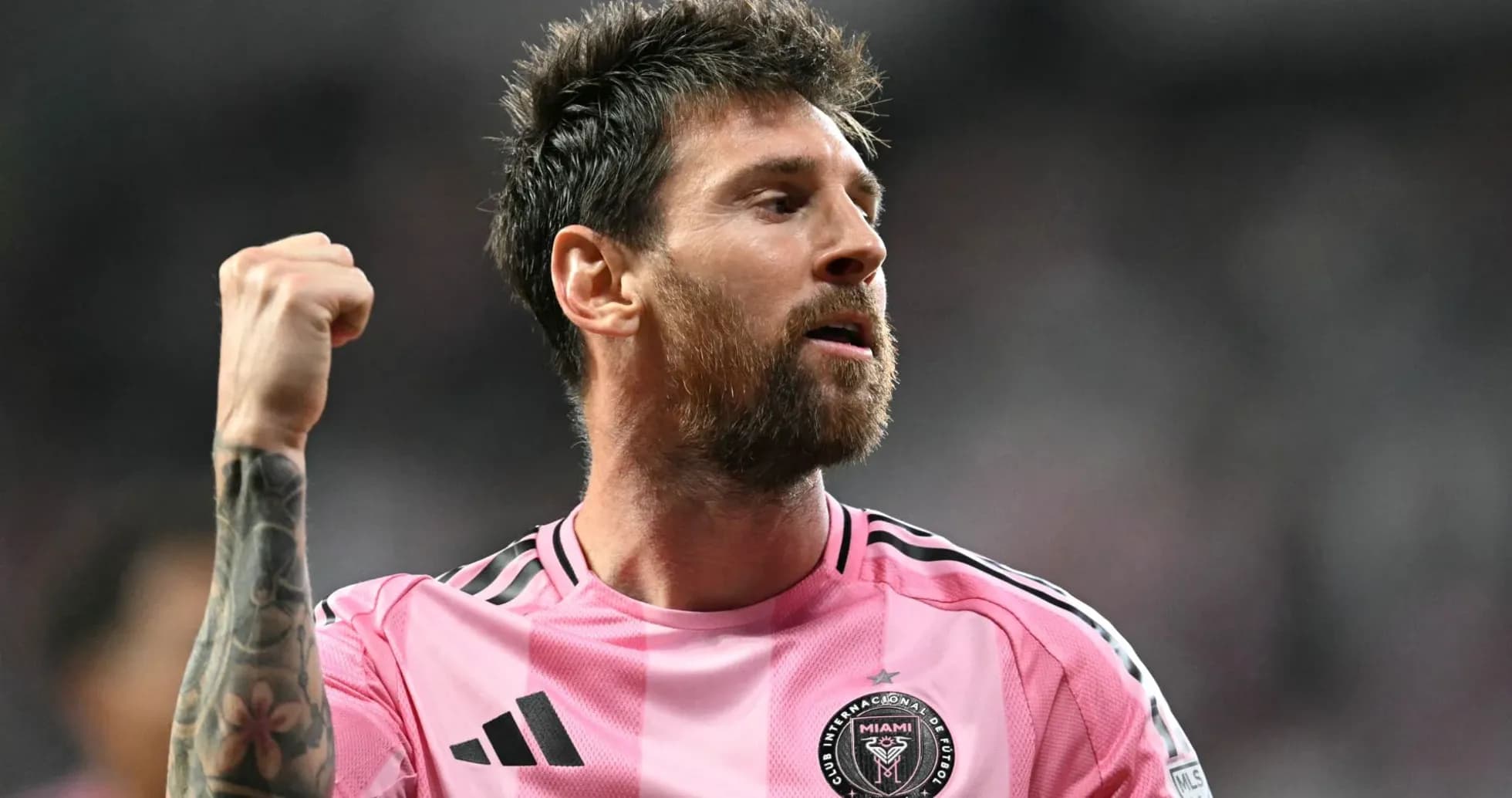
Lionel Messi arrived in the United States in 2023 chasing something more than the American dream. He came to reshape it. With David Beckham working the levers as co-owner of Inter Miami, the move that once felt like fantasy became the defining transfer of MLS’ modern era.
South Florida has not been the same since.
Messi has turned Inter Miami from a project into a spectacle. A Leagues Cup in the cabinet. An MLS Cup added to the story. MVP awards stacking up. Stadiums across the country selling out weeks in advance just for the chance to watch him glide through a game that still seems to move at his pace.
The club quickly moved to extend the original contract he signed after crossing the Atlantic, desperate to lock in the Messi era for as long as possible. Yet the clock, as always with icons in their late 30s, ticks loudly in the background. Messi himself has admitted that the end is no longer some distant idea. It’s on the horizon.
He has already drawn a line under an extraordinary international career. Two hundred and seven caps for Argentina. A World Cup winner. Three-time finalist. The most decorated player in the history of the game, now finished with the demands of national duty and fully focused on club football.
If there were doubts about what he still has left, Montreal felt the full answer. Four goals in a 7–1 demolition, a reminder that even at this stage, when he chooses, he can still rip a match apart almost single-handedly.
Around him, familiar faces help extend the comfort zone. Luis Suarez, a long-time ally and former Barcelona partner in crime. Rodrigo De Paul, one of the pillars of Argentina’s modern success. Rumours continue to swirl about Neymar potentially joining them in the Sunshine State, a move that would resurrect the fabled “MSN” trident that terrorised Europe in Barcelona colours.
For now, though, Messi seems settled. Content. The question is how long that feeling lasts.
Shaka Hislop, the former FC Dallas goalkeeper, believes the answer stretches several years down the line. Speaking to GOAL, Hislop underlined why he expects Messi to honour the lucrative terms of his Miami deal, pointing to the Argentine’s central role in Inter Miami’s long-term vision — especially around the planning and launch of the club’s new stadium.
Hislop sees that as a crucial clue. Messi has not just been a short-term signing; he has been woven into the club’s future. According to Hislop, that makes it likely the No.10 will stay at least through 2028, and perhaps then slide into an ambassadorial role that keeps him as the face of the franchise and the city, even when the boots finally go away.
On the pitch, Hislop’s view is clear: as long as Messi’s body holds up, he expects him to see the contract out. The decision to walk away from international football, he argues, is a logical one. The double load of league and national team football breaks most players far earlier than 38 or 39. For someone who has already won everything with his country, the lure of another World Cup simply isn’t enough to justify the grind.
There is, bluntly, nothing left for him to chase in an Argentina shirt. By stepping away, he frees up energy and miles in the legs for Miami. Club football becomes the priority, and his career stretches that little bit further.
Hislop’s prediction is firm: expect Messi in a Miami shirt in 2028. What happens beyond that belongs to Messi alone.
Yet even as those around him talk in years, Messi’s own words carry a different weight. In a recent emotional message after the death of his father, he laid bare the uncertainty that now shadows his footballing life: “I don't know what I'm going to do without you, I don't know how to carry on. I only played football and now I have quite a few doubts that I will keep doing it for much longer.”
That confession cuts through the noise. Behind the trophies, the packed stadiums, the global marketing machine, there is a 37-year-old man processing loss and questioning how much more he wants to give to a game he has already given everything.
Inter Miami cannot afford to dwell on that vulnerability. For them, Messi is not just a player. He is the heartbeat of the project, the commercial engine, the sporting guarantee. MLS, too, understands the stakes. The league has never had a bigger global billboard than the No.10 in pink, and every extra season he stays extends its reach into markets that once barely glanced at American soccer.
So the race is on — not against rivals, but against time and emotion. Miami will do everything in its power to keep Messi at the centre of its universe. MLS will build campaigns, narratives and calendars around him for as long as he laces up.
The only question left is how long Lionel Messi still wants to be the show.