Liverpool's Deadline Day: A Quiet Revolution in Recruitment
Deadline day at Anfield arrived with a drumroll and ended with a shrug.
Liverpool supporters had been primed for one more attacking splash to go with Bradley Barcola. Instead, the window effectively slammed shut the moment Manchester City’s £80 million bid for Cody Gakpo was knocked back. That was the line in the sand. Keep Gakpo, keep the balance, and live without the extra winger many had assumed was coming.
It wasn’t for lack of trying.
Deals that never moved
Liverpool’s recruitment team had drawn up plans for another senior forward. The targets were clear, the profiles carefully chosen. The problem lay on the other side of the table.
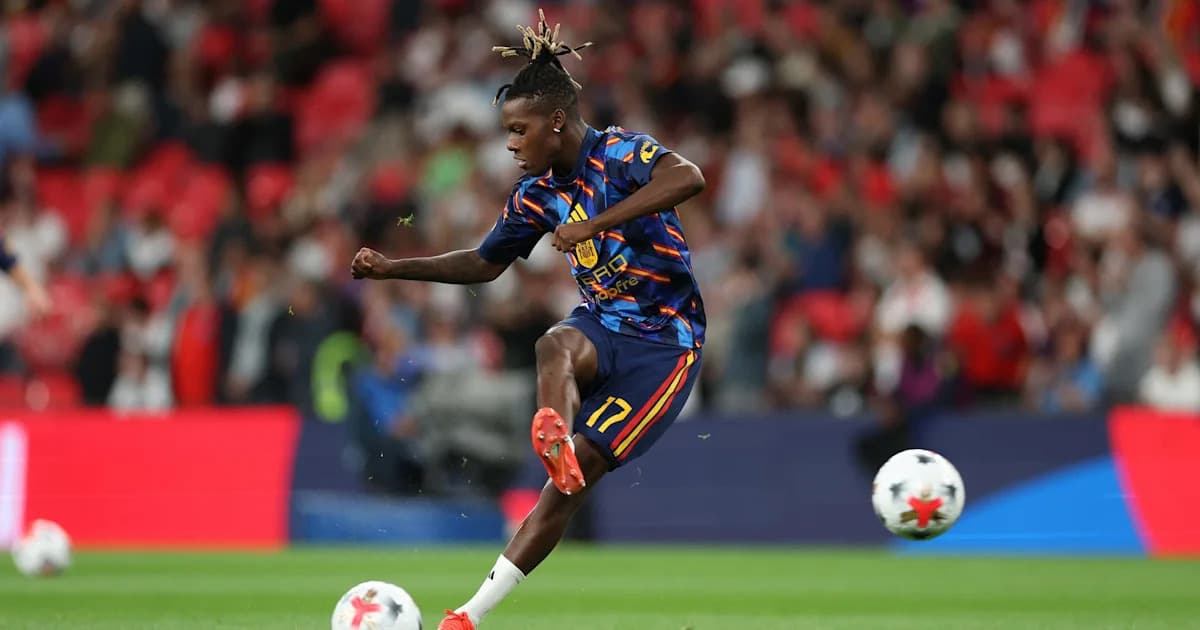
Brighton refused to budge on Yankuba Minteh, turning down two separate offers. Crystal Palace made it plain that Ismaila Sarr was going nowhere. Paris Saint-Germain went one step further, shifting the terms mid-conversation and almost doubling their price for Ibrahim Mbaye. What had looked like a workable deal suddenly became impossible.
So the late headline signing never arrived. But the window was not a write-off.
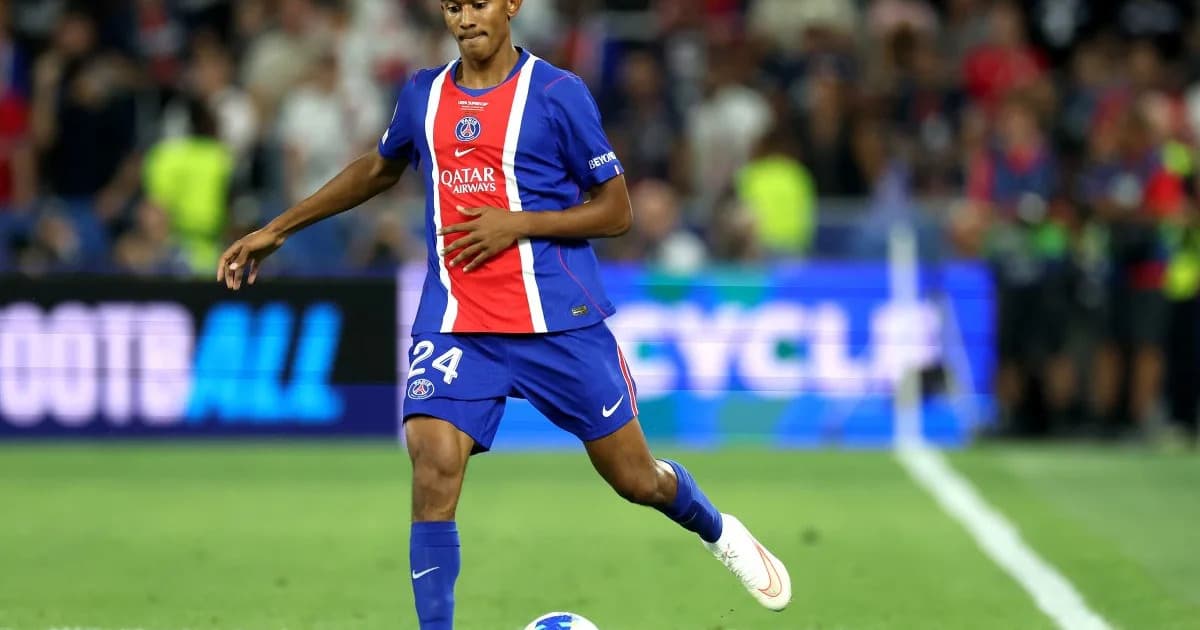
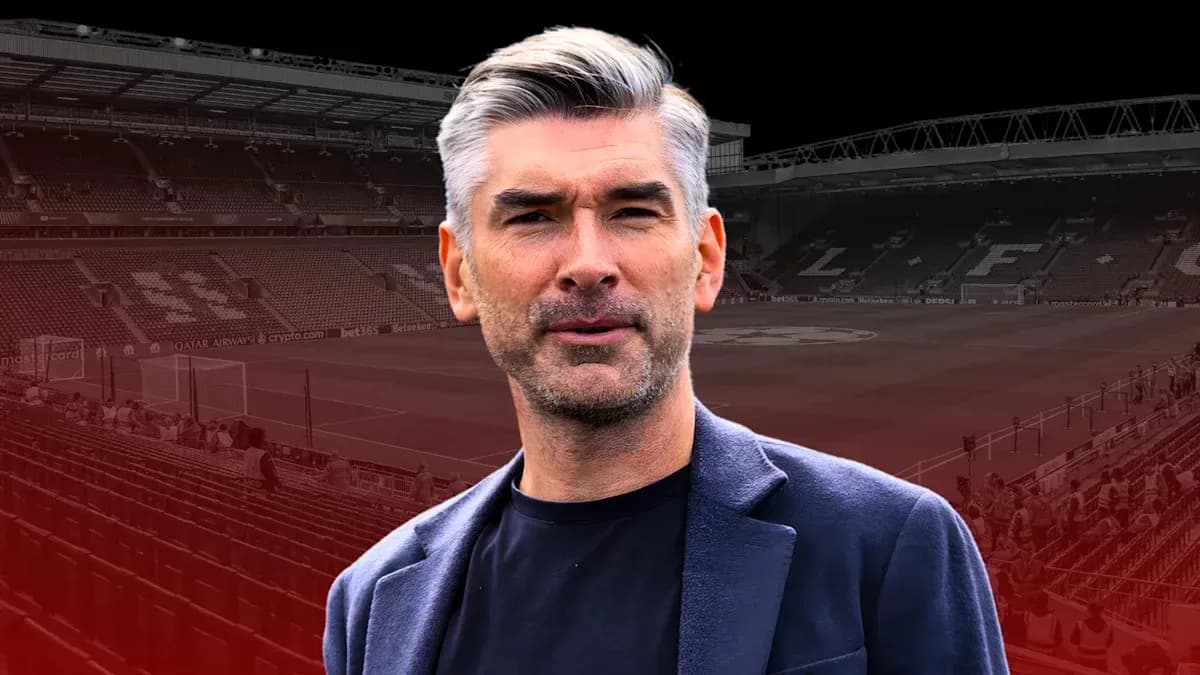
Richard Hughes, overseeing his final window as Liverpool’s sporting director, still delivered two significant first-team additions: Victor Munoz and Barcola. The French winger is yet to make his debut in red, but the anticipation around him is real. Munoz has already begun to justify the work that went into his deal, winning a penalty against Newcastle United and then popping up with a late equaliser against Nottingham Forest. Impact, not promise. Tangible contributions in both Premier League outings.
That was the visible business. The obvious stuff. Behind it, Liverpool were working on something far more unconventional.
The Djylian N’Guessan workaround
Liverpool’s move for Djylian N’Guessan is not yet official, and the delay is not down to hesitation or doubt. It is down to regulation.
The Saint-Étienne striker had been lined up for a summer switch, with a straightforward plan: sign him, then loan him out to aid his development. FIFA’s limits on foreign international loans tore that script up. Liverpool had already filled their external loan quota, Harvey Elliott’s season-long spell at Valencia among those occupying the slots. There was no room to bring N’Guessan in and immediately send him back out.
Walk away and risk losing him to a rival? Or get creative?
Liverpool chose the latter.
N’Guessan, a forward likened in style to Eli Kroupi Jnr, will spend the 2026/27 campaign on loan at Brest in Ligue 1. Crucially, that loan will be registered as a move from Saint-Étienne, not from Liverpool. During that period, the Reds will move to secure him for the long term. The plan is for N’Guessan to sign a pre-contract agreement with Liverpool in January, allowing him to complete a free transfer to Merseyside next summer when his Saint-Étienne deal expires.
It is intricate, bordering on labyrinthine, but it solves a very modern problem: how to land a coveted teenager when the rulebook is stacked against a traditional transfer-and-loan model.
A quiet revolution in recruitment
N’Guessan is not an isolated punt. He is another piece in a broader strategy that is reshaping Liverpool’s future.
Anfield has become the centre of a calculated wonderkid drive. Highly rated defensive duo Ifeanyi Ndukwe and Mor Talla Ndiaye have arrived. Samuel Martinez has been added to the pipeline. The club also committed £30 million to bring Lucca Brughmans from KRC Genk, a fee that underlines how serious this youth-focused push has become.
This is not scattergun scouting. Under the watch of Pedro Marques and Matt Newbury, the 2024/25 Premier League champions are assembling a core of some of the most promising young players in world football, each one chosen to fit a long-term plan rather than a short-term fix.
Deadline day may have felt flat for those waiting on a marquee winger. But the real story of Liverpool’s window might not be written in this season’s goals and assists. It could be written in what N’Guessan, Brughmans and their peers become in three or four years’ time—and whether this quiet revolution turns a clever workaround into a defining edge.