Liverpool's Head Coach Focuses on Winger Search and Team Balance
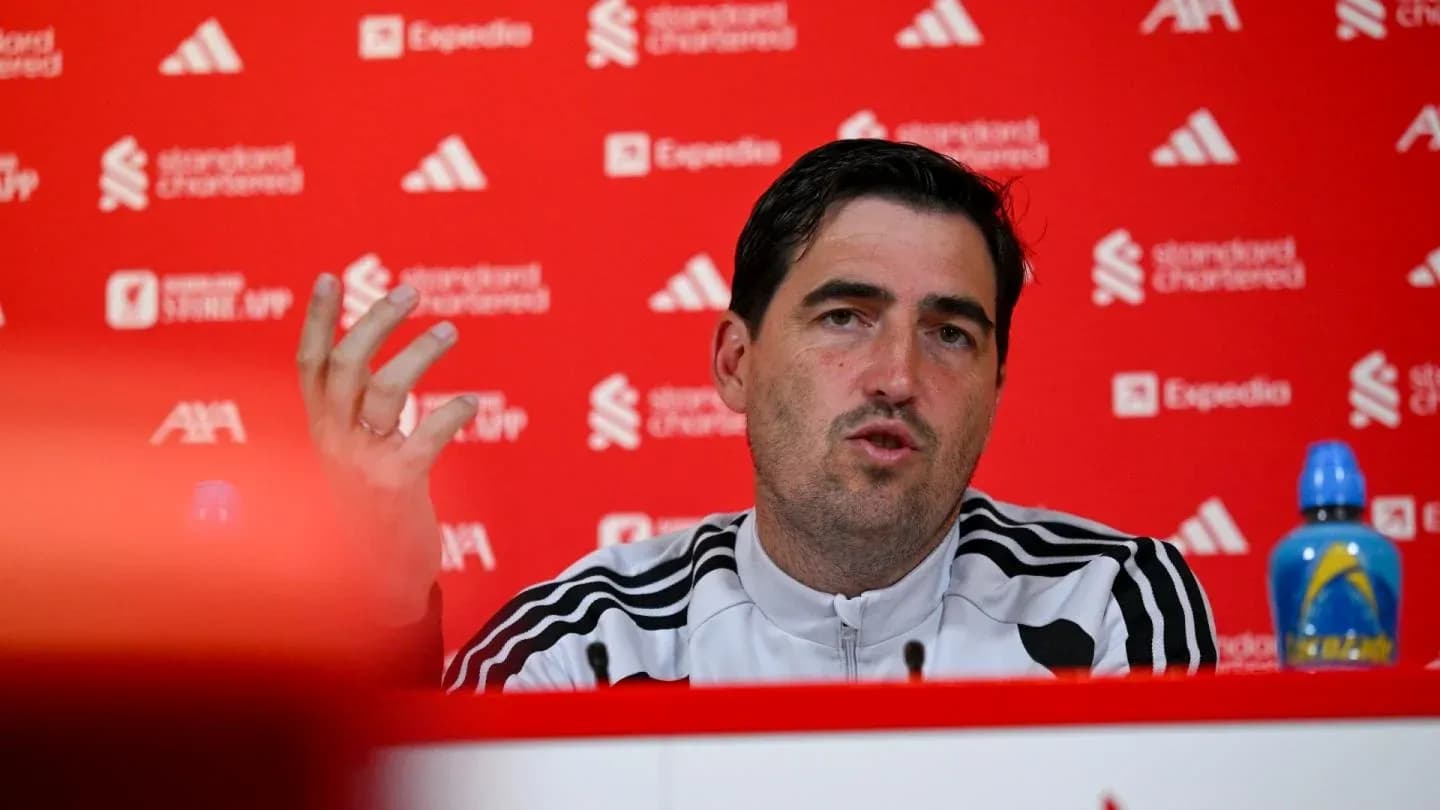
At the AXA Training Centre, Liverpool’s head coach cut a focused, unsentimental figure. Anfield awaits his first Premier League home game, but his mind is on numbers, structure and a squad still one or two pieces short.
Wingers wanted – and needed
He did not bother to disguise Liverpool’s priority.
The club are actively chasing a winger, a search driven less by luxury than necessity. The numbers out wide are thin, and he knows it. Names were off-limits, as always in these situations, but the message was blunt: Liverpool are pushing in that area and hope to have “good news soon”. Hope, though, is not a signature. “We are still not there,” he admitted, the transfer window clock ticking loudly in the background.
He has a clear profile in mind, and the club hierarchy know it. Talks have been ongoing “since the beginning”, not as a late scramble, but as part of a long-term plan that still needs closing power in the final days of the window.
Until the deadline passes, he lives in a kind of limbo. Only on 1 or 2 September, when the club tells him, “this is who we are, this is the options we have,” will he allow himself to lock in a definitive plan.
The eternal equation: attack vs control
If recruitment is one battle, balance on the pitch is another.
Liverpool’s opener left him with a familiar coaching headache. His side carried a real threat going forward, flooded the box with numbers, yet paid for a moment of looseness on the first goal conceded. He called it a failure to “do a proper lockdown”. It stung.
But he will not rip up the attacking blueprint to fix it.
He spoke about the “balance” almost as a living thing, something that shifts phase to phase, not a static rulebook. He refuses to turn a fluid, front-foot team into a cautious, rigid unit that arrives in the box with too few bodies. Players, he insists, must read the game in real time.
“You cannot be with the joystick every time with the player,” he said. Some players, the best ones, smell danger. They know when to go and when to stay. That instinct, that decision-making, is as much a quality as a first touch or a sprint.
The same argument runs through his view of midfield discipline. He will not chain Ryan Gravenberch to the centre circle. He referenced the pre-season goal against Monaco – a slick one-two between Gravenberch and Dominik Szoboszlai before the pass to Alex Isak and the finish – as the perfect example. Nobody complained then that both midfielders were high and close together. They just called it “a lovely goal”.
For him, that’s the point. The structure has to flex. When the opposition sit deep and Liverpool already have numbers behind the ball, full-backs and midfielders can join in. When rivals leave runners high, Liverpool must be more cautious. Recognising those pictures, in the heat of a Premier League game, is the work now.
“Meaningful possession” and the Newcastle lesson
There was no sense of panic in his assessment of the 2-2 draw with Newcastle.
He felt Liverpool controlled the game “quite well”. Yes, they were hit by two transitions, and yes, that framed the narrative. But he saw a team that used the ball with intent, not sterile dominance. He called it “meaningful possession” – possession that pushed Newcastle back and kept Liverpool “closer to scoring” for most of the contest.
The scoreline does not bend to feelings. It finished 2-2, and nothing can change that. Still, he walked away convinced there was far more right than wrong in the performance. The task now is to sharpen the control without blunting the edge.
An emotional first league step at Anfield
All of this unfolds against a personal backdrop he cannot entirely ignore.
This will be his first Premier League game at Anfield as Liverpool head coach. Pre-season gave him a taste of the stadium’s weight, but the real thing, with points on the line, will be different. He knows it will be emotional. It should be. He has “had to fight a lot” to reach this point in his career.
He will try to park those feelings once the whistle goes, to think only of spaces, distances and decisions. But he does not hide how special this moment is for him. The hope is simple: that the occasion and the performance match.
Forest, Glasner and the fine margins
Waiting for him is an Oliver Glasner side that rarely gives anything away.
He knows Glasner well from previous Premier League meetings and sees a coach who imprints a clear structure quickly. Forest, under him, are organised, compact and tough to break. The recent league game against Leeds was the warning: few chances, tight margins, decided by a 90th-minute free-kick. Until then, Forest arguably had the better openings.
Liverpool, he insists, will have to “earn every chance”. Forest will not hand them territory or space. Patience on the ball will be crucial, as will accuracy in the final third. And while the focus naturally falls on Forest’s defensive solidity, he is acutely aware of their threat the other way. Like almost every Premier League side now, they carry serious pace and quality up front, especially in transition and on the counter.
Control the ball, but control the breaks. That is the brief.
A young defender thrown in – and standing up
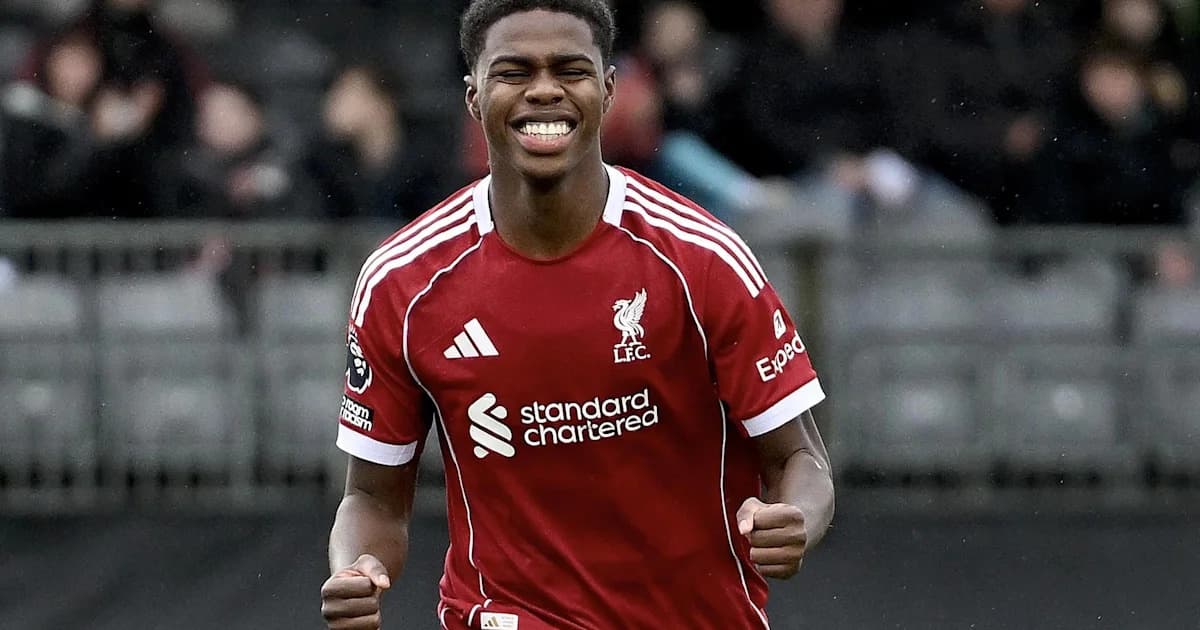
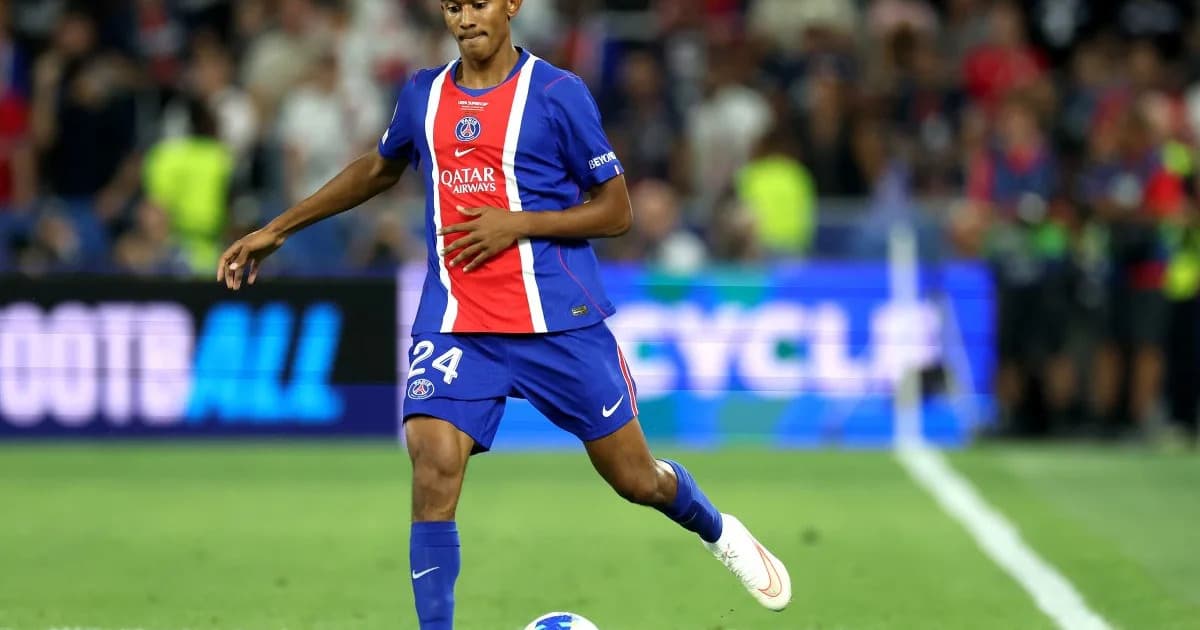
Among the more intriguing subplots is the emergence of Jeremy Jacquet.
Thrown into his Premier League debut with only “basically 45 minutes of pre-season” in his legs, the young centre-back delivered a performance that pleased his manager. Confident on the ball, reliable without it, Jacquet showed why Liverpool moved for him.
Fatigue eventually caught him. The final five minutes before his substitution betrayed tired legs, and the staff did not want to push him beyond that point. That, for a defender, is when mistakes creep in. The coach is realistic: Jacquet will make errors as he grows. The key is that he is “performing and training very well” and has already shown he can handle the stage.
As Anfield prepares to rise for a new Premier League chapter, Liverpool’s head coach stands in the middle of it all: chasing a winger, chasing balance, and chasing control in a league that rarely allows any side to feel comfortable for long.