Liverpool's Transfer Strategy: A Squad in Imbalance
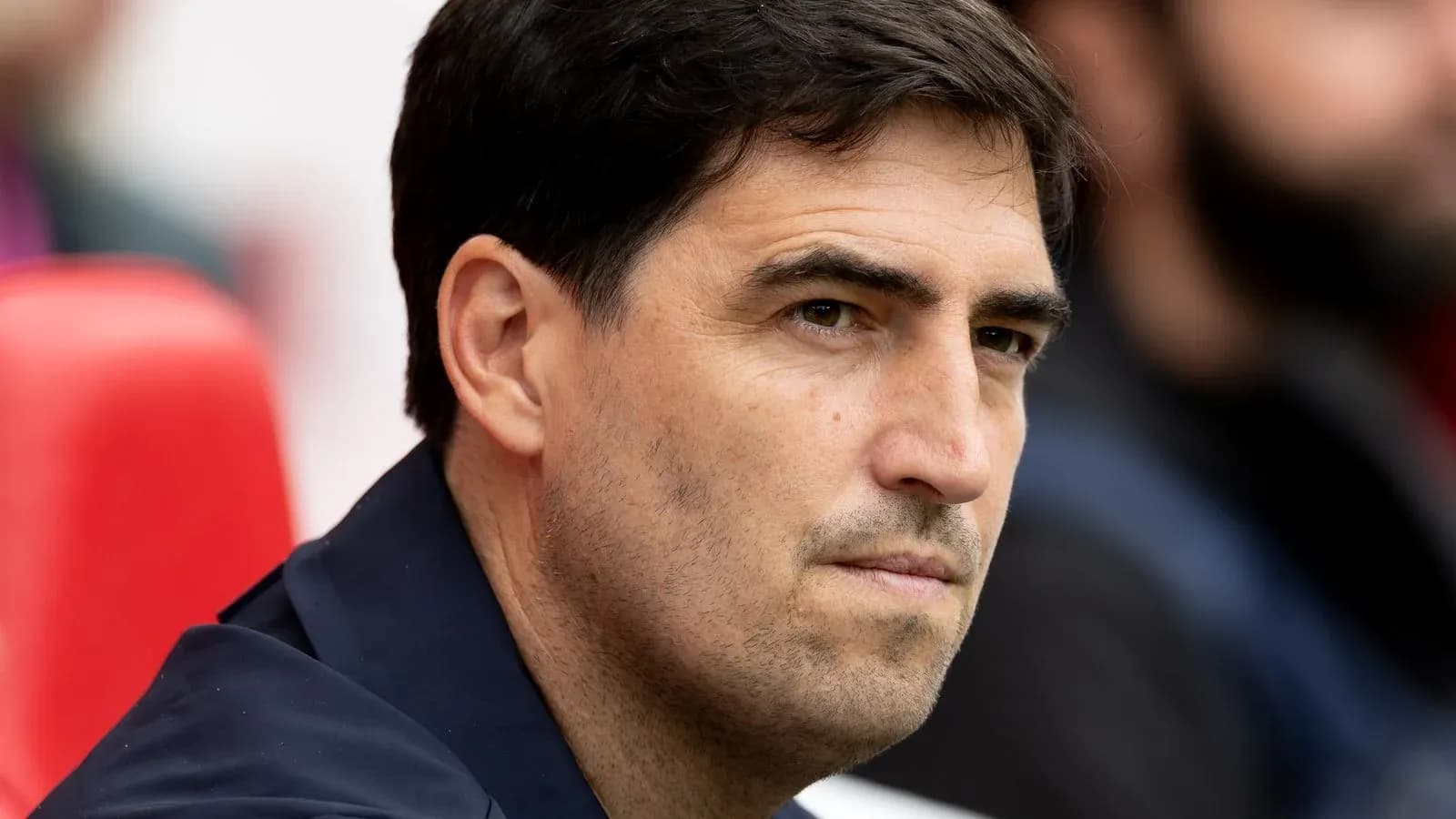
Liverpool have just thrown another £200m-plus at the squad, a bigger net outlay than last summer, and yet Andoni Iraola walks away from the window with a team that looks anything but complete.
The numbers say investment. The squad screams imbalance.
Jamie Carragher did not bother dressing it up. "It does not look like a balanced squad," he told Sky Sports. "Liverpool are short in the full-back areas and probably a midfield player as well." One line, and the unease around Anfield’s recruitment drive this summer was laid bare.
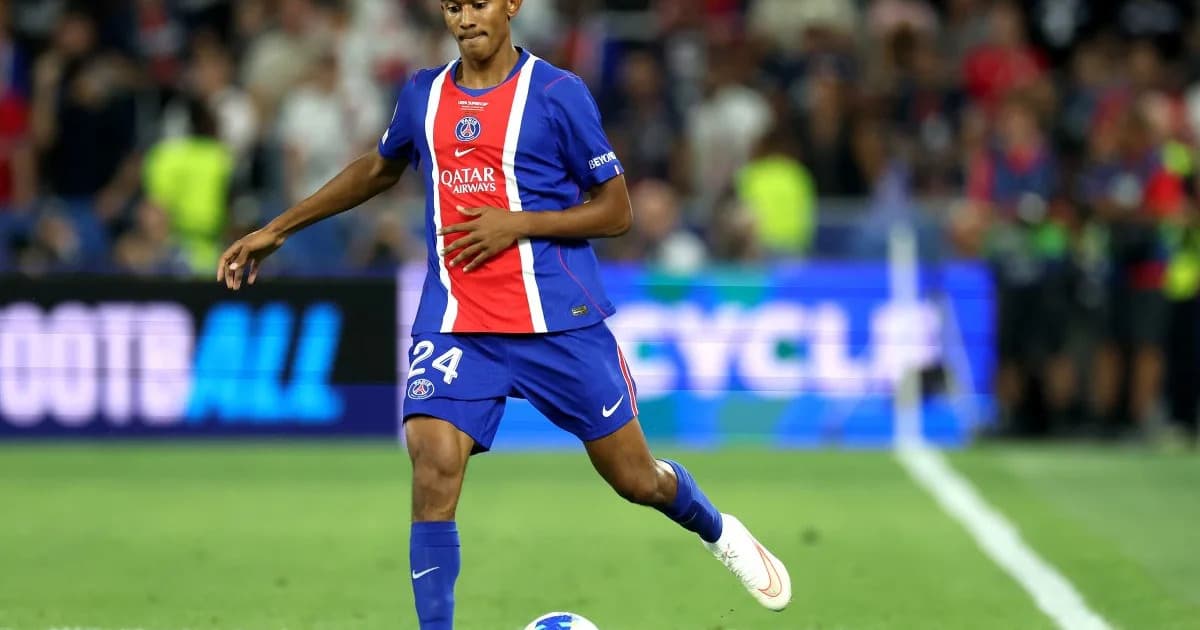
That sense of dislocation runs right through the club’s headline move. Bradley Barcola arrives from Paris Saint-Germain for £123m, a marquee signing meant to soften the blow of losing Mohamed Salah, the greatest left-footed right-winger the Premier League has seen. Instead of replacing that profile, Liverpool have doubled down on the opposite side, loading the squad with players who prefer to attack from the left and drift in.
Carragher’s frustration is obvious. "Liverpool have not got a real out-and-out right-sided attacker," he said. "We have not got anybody with a left foot on that right side, like Mo Salah. I am disappointed. I am not quite sure what we are going to do on that right wing right now."
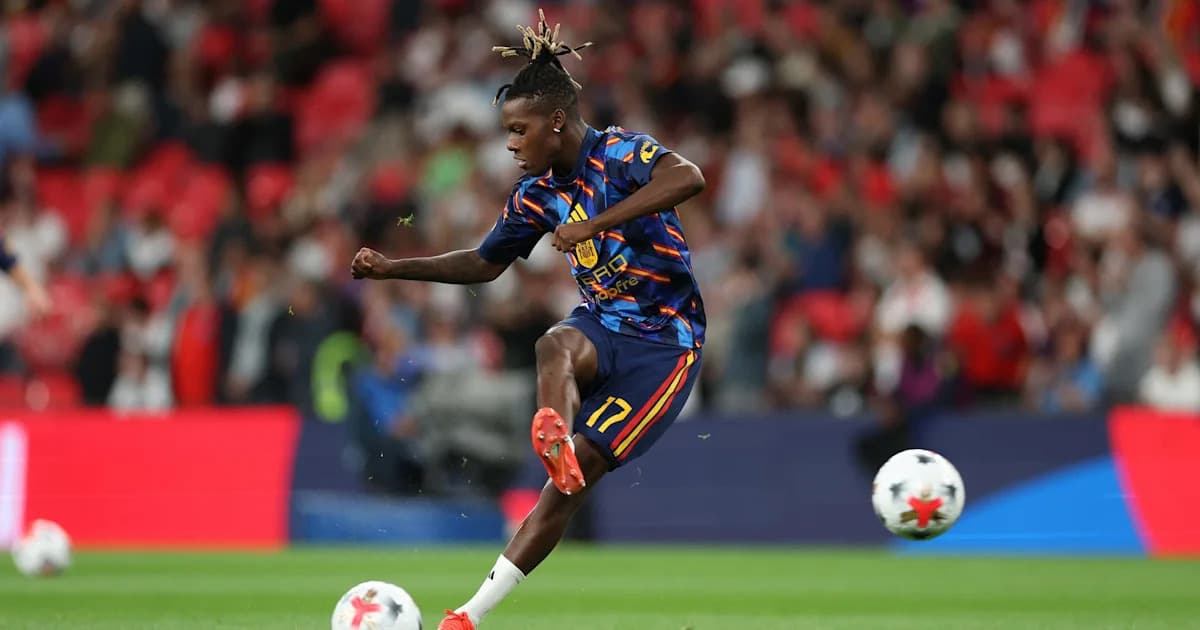
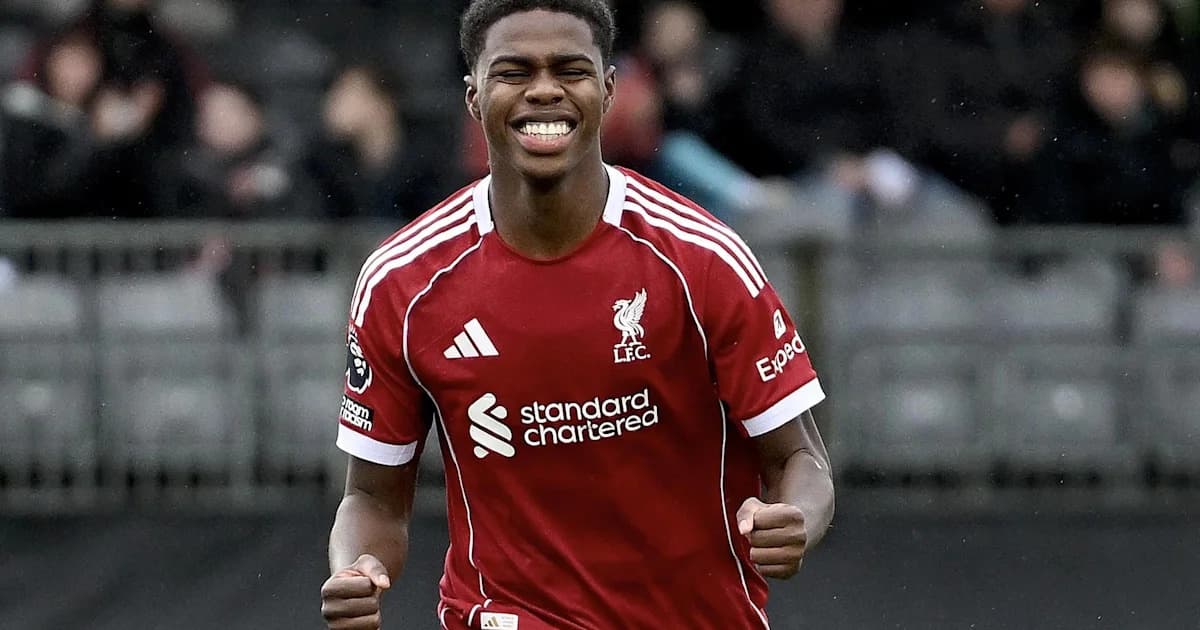
Barcola can play across the frontline, but the fee demands clarity. He has built his reputation from the left, not hugging the right touchline and bending shots in with his left boot. Cody Gakpo has started this season there too. Florian Wirtz and Hugo Ekitike have also been used off that flank. Rio Ngumoha broke through on the left and has been trialled on the right in pre-season. Victor Munoz, signed after a single top-flight campaign, is another who made his name cutting in from the left.
One or two such players might be a luxury. A cluster of them begins to look like a blind spot.
None of this alone condemns Liverpool’s transfer strategy. It is more puzzling than disastrous. The real concern lies elsewhere, in the gaps that have been left while the club piled resources into areas already well stocked.
The full-back situation is the most glaring. When Jeremie Frimpong joined last summer, the message from inside the club was clear: he was not a replacement for Trent Alexander-Arnold at right-back. Two games into this season, that is exactly where the Netherlands international has been stationed.
With Conor Bradley injured, Frimpong is the only natural fit for the role. There are calls to drop Dominik Szoboszlai in there, but that would be a fudge, not a solution. Pushing a centre-back wide strips the system of one of its key weapons. Under Iraola, full-backs are not decorative. They are the engine.
The numbers back that up. Frimpong and Milos Kerkez sit among the top three players in the Premier League for sprints so far this season. Above them? Adrien Truffert, the flying full-back from Iraola’s Bournemouth side. This is not a quirk. This is how his teams breathe.
Look at Liverpool’s average positions in the opening two league games and compare them to that title-winning campaign under Arne Slot. The full-backs race on, often together, pinning opponents back but leaving huge responsibility on the midfield to patrol the space they vacate.
That is where the unease deepens. Ryan Gravenberch stepped up brilliantly in Slot’s system, but Iraola is asking for a different kind of work. Alexis Mac Allister’s physical output has dipped over the last 18 months. The question is brutal and unavoidable: does this squad contain the players needed to shut down counter-attacks when both full-backs fly?
There is a tactical dilemma at the heart of it. Is Iraola even interested in a traditional holding midfielder? At Bournemouth he wanted his midfielders to go and hunt. Alex Scott spoke about being "very aggressive" without the ball. Tyler Adams said the players believed they would win possession high up the pitch.
That aggression comes with a cost. Liverpool are already paying it.
"I do not believe that midfield can function with the personnel in there," said Carragher. "For me, it does not work. And it is not just about personnel, it is the structure the manager is asking for."
The warning signs flashed early. Within five minutes of their first Premier League game, Liverpool’s rest defence was carved open. Full-backs high, centre-backs deep, nobody patrolling the space between. Newcastle poured through it and scored. A familiar picture, painted in new colours.
Given the way Liverpool’s full-backs are wired and Virgil van Dijk’s growing tendency to drop off rather than engage high, this is not a problem that will simply fade. Iraola has inherited the most expensively assembled squad in the club’s history, and yet it feels like the most obviously flawed group Liverpool have fielded in a decade.
Fixing that from within the squad will demand compromise. "You do not want to lose the offensive side, the fluidity, the arrivals with numbers, but obviously we were punished the other day, especially in the first goal," Carragher said, reflecting on the balance Liverpool are still searching for.
"We did not do a proper lockdown. But there is a balance. We cannot go from one way where we send a lot of people forward to keeping everyone back so we do not arrive with numbers. I do not want to tell Ryan Gravenberch not to carry the ball or arrive in the box.
"It is a matter of identifying the situation. You cannot be with the joystick every time [controlling] the player. There are players that are very good at smelling the danger. 'I cannot risk going now. I think I have to stay.' Recognising those situations is the job."
For now, Liverpool look exactly what their results suggest: a team built for chaos. High-scoring draws feel like their natural habitat, games where their attacking talent can overwhelm but their structural weaknesses leave the door ajar.
An imbalanced, imperfect side, then. But one that might yet turn this season into a wild ride, either towards something thrilling or something far more troubling.