Liverpool’s New Era: Old Questions Loom as Season Begins
The season has barely drawn breath and already Anfield feels tense. A new head coach in Andoni Iraola, a new voice on the touchline, but the same old doubts rumbling in the stands and online.
Liverpool are up and running under their Basque coach, yet the clock is ticking louder off the pitch than on it. Transfer deadline day looms, the squad still looks light in key areas, and Nottingham Forest arrive on Saturday for Iraola’s first competitive home game. League Cup commitments and the Champions League group stage are just around the corner. The calendar is full. The squad is not.
The Salah Successor That Got Away
The most pressing concern? The right wing. Mohamed Salah’s exit was no late twist. Everyone knew it was coming. So why are Liverpool still scrambling around for a successor with days left in the window?
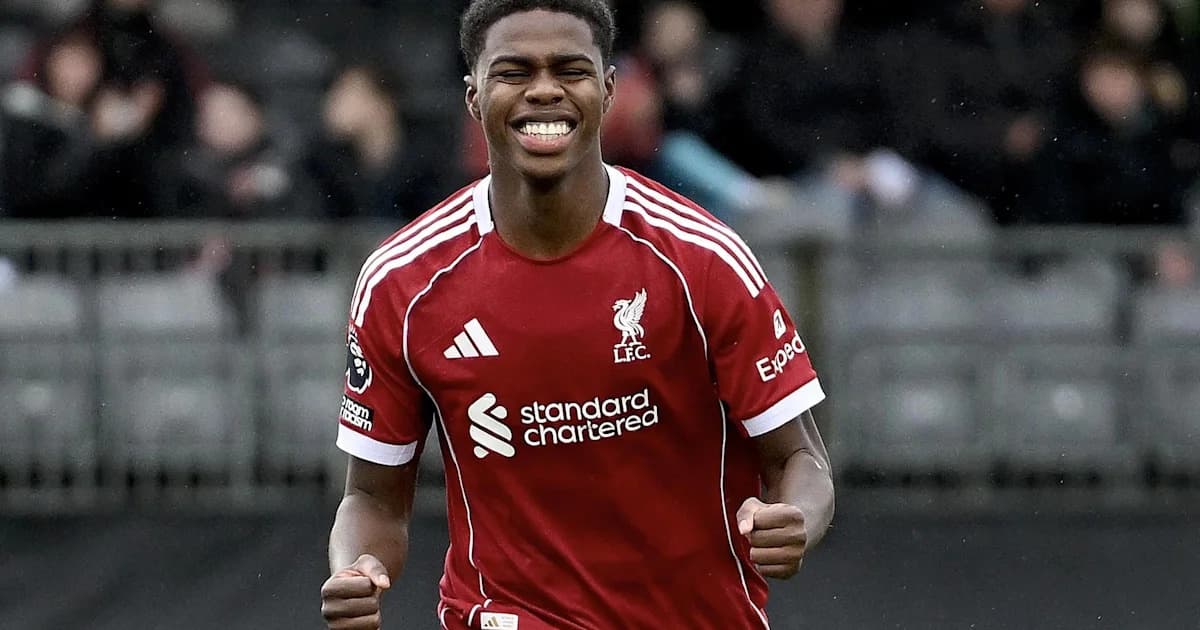
The club did move early. They identified Yan Diomande at the start of the summer, encouraged by the player’s willingness to come and convinced he was attainable. Then RB Leipzig named their price – and it was sky-high.
From there, the game changed. Diomande, having drawn interest from both Liverpool and Paris Saint-Germain, ended up using that leverage to engineer a move to Real Madrid. He would not be the first to play two giants off against each other and land in the Spanish capital.
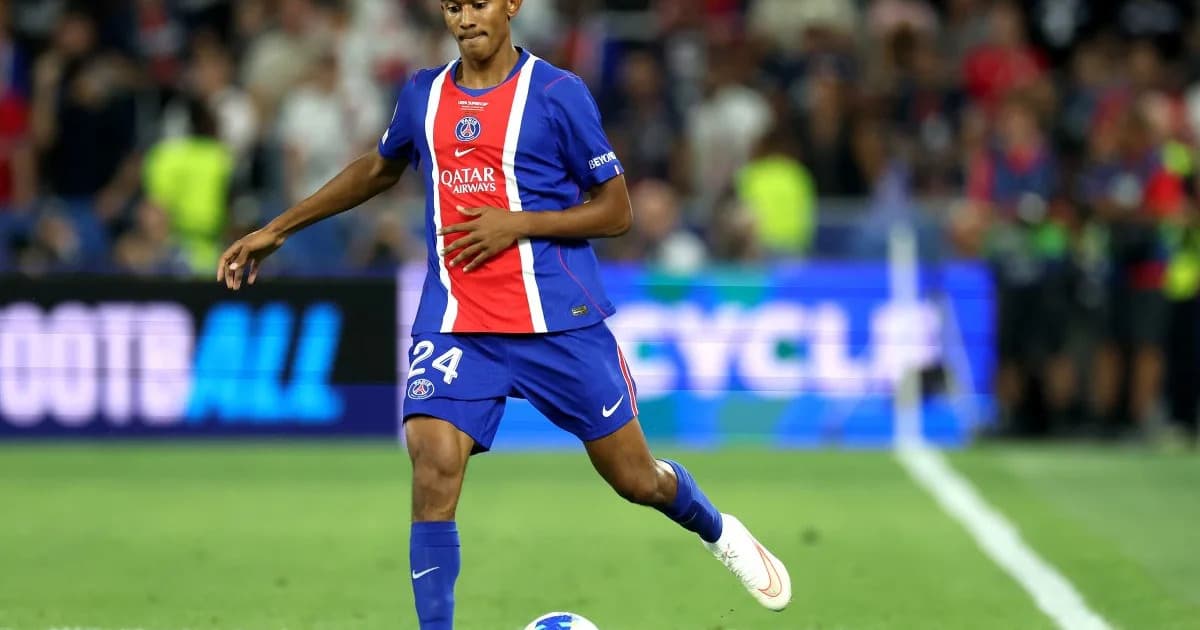
That collapse left Liverpool on the back foot. Their attempt to pivot towards Bradley Barcola ran into another wall, PSG demanding big money as they held firm over one of their own key attacking options.
So here Liverpool are: days from the deadline, still short of a right winger, still searching for the player who will inherit Salah’s flank. Even if many Premier League clubs are leaving business late, it does not look good for a side trying to launch a new era with clear purpose.
Iraola’s Midfield: No Fixed Formula
If the wing is a gap, the midfield is a puzzle. One thing seems clear: Iraola is unlikely to settle on a single “best” trio. This will be a tactical carousel, shaped by opponents and game state, much like the “horses for courses” approach that served Jurgen Klopp well.
Alexis Mac Allister, Ryan Gravenberch and Dominik Szoboszlai form the core of the engine room. Those three are vying for the two deeper roles, with Szoboszlai also the obvious alternative to Florian Wirtz in the No 10 position when Iraola wants an extra creative spark higher up the pitch.
Behind them, the options thin out quickly. Wataru Endo has started only two Premier League games in more than two seasons. Trey Nyoni is highly regarded but has yet to start a top-flight match. The expectation around the teenager is high; the evidence at senior level is non-existent.
On paper, a specialist defensive midfielder still looks essential. That has been the case for more than a year. Liverpool have yet to act decisively.
Hughes Nearing the Exit
The uncertainty is not confined to the dressing room. The club’s sporting structure is shifting again.
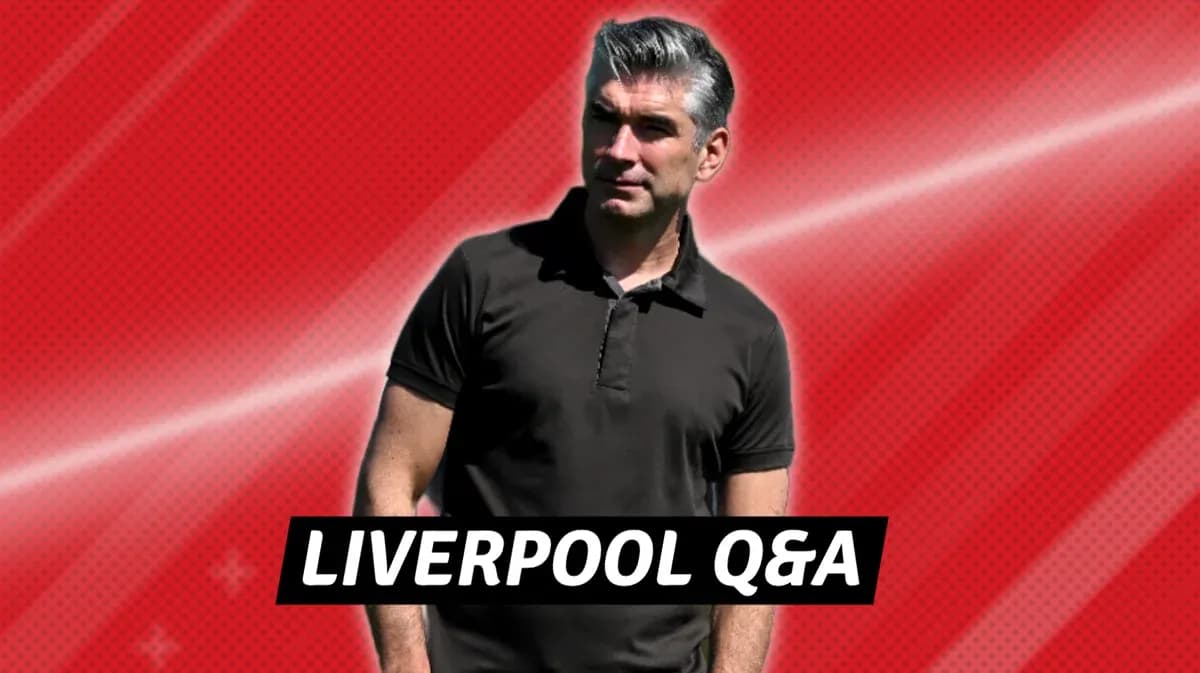
There is a growing expectation that sporting director Richard Hughes will leave once the summer window shuts, with Saudi Pro League side Al Hilal viewed as his most likely next destination. For a club that has already cycled through several sporting directors in recent seasons, it is another jolt just as a new coaching regime beds in.
As for a replacement, Liverpool could turn inwards. Julian Ward, currently technical director at Fenway Sports Group, is one obvious internal candidate. At this stage, though, there is no indication that a successor has been lined up or that a smooth handover is imminent.
Gakpo’s Future and the Isak Question
Then comes the attack. Not Salah’s successor this time, but Cody Gakpo’s status and the depth behind Alexander Isak.
On the face of it, selling Gakpo makes little sense. Liverpool need to strengthen their forward line, not strip it back. Entertaining his departure feels risky unless the push is coming from the player himself. Given some of the criticism he received from sections of the fanbase last season, a desire to move on would be understandable.
Yet his performances at the start of this campaign tell a different story. Gakpo looks like a man who wants to stay and prove a point. If he does go, logic dictates that of the two forwards Liverpool are expected to bring in, one would effectively become Isak’s understudy until Hugo Ekitike returns from injury.
It is a delicate balance: keeping enough quality and depth to compete on multiple fronts while managing the ambitions and frustrations of players who do not want to be backups.
Injury Room: Slow Steps Back
The injury list adds another layer of fragility. Giovanni Leoni, Joe Gomez, Hugo Ekitike and Conor Bradley are all sidelined, and none has a firm, public return date.
Ekitike has targeted Boxing Day for his comeback. The nature of his Achilles problem, though, suggests that even if he does make it back by then, the real version of Ekitike – sharp, explosive, fully confident – may not reappear until next season.
Bradley has been out since early January. Liverpool will not rush him. A young right-back with a long future ahead of him will be handled carefully, his workload managed tightly when he does return.
Leoni is edging closer to first-team training after almost a year out, but he too will be eased back, minutes rationed before Christmas. Gomez, by contrast, is expected to return sooner than the rest, yet the fact he has already been missing for a month is a concern for a player whose career has too often been interrupted.
Why the Gloom at Anfield?
All of this feeds into the mood around the club. The negativity is not rooted in results alone – the season is too young for that – but in the sense that long-acknowledged issues have not been properly addressed.
Supporters watched the first game at Newcastle United and saw familiar mistakes. The same defensive lapses. The same midfield vulnerabilities. The same gaps that were obvious a year ago.
With so few fresh faces on the pitch, the change in the dugout has not yet translated into a feeling of renewal. Iraola represents a new chapter, but the cast around him looks uncomfortably familiar.
That could still change before the window closes. A late signing here, a surprise deal there, and the mood can flip quickly at a club of Liverpool’s scale.
For now, though, expectations have shifted. For the first time in years, there is a broad acceptance that Liverpool are not genuine title contenders. The question is no longer whether they can chase down the top spot, but whether this reset under Iraola can be bold enough, and brave enough, to make that conversation relevant again.