Liverpool's Winger Hunt Ends in Frustration
Liverpool’s frantic late push to add one more winger has left more than just a couple of clubs frustrated. It has sparked a pointed, public rebuke from one of African football’s most influential agents.
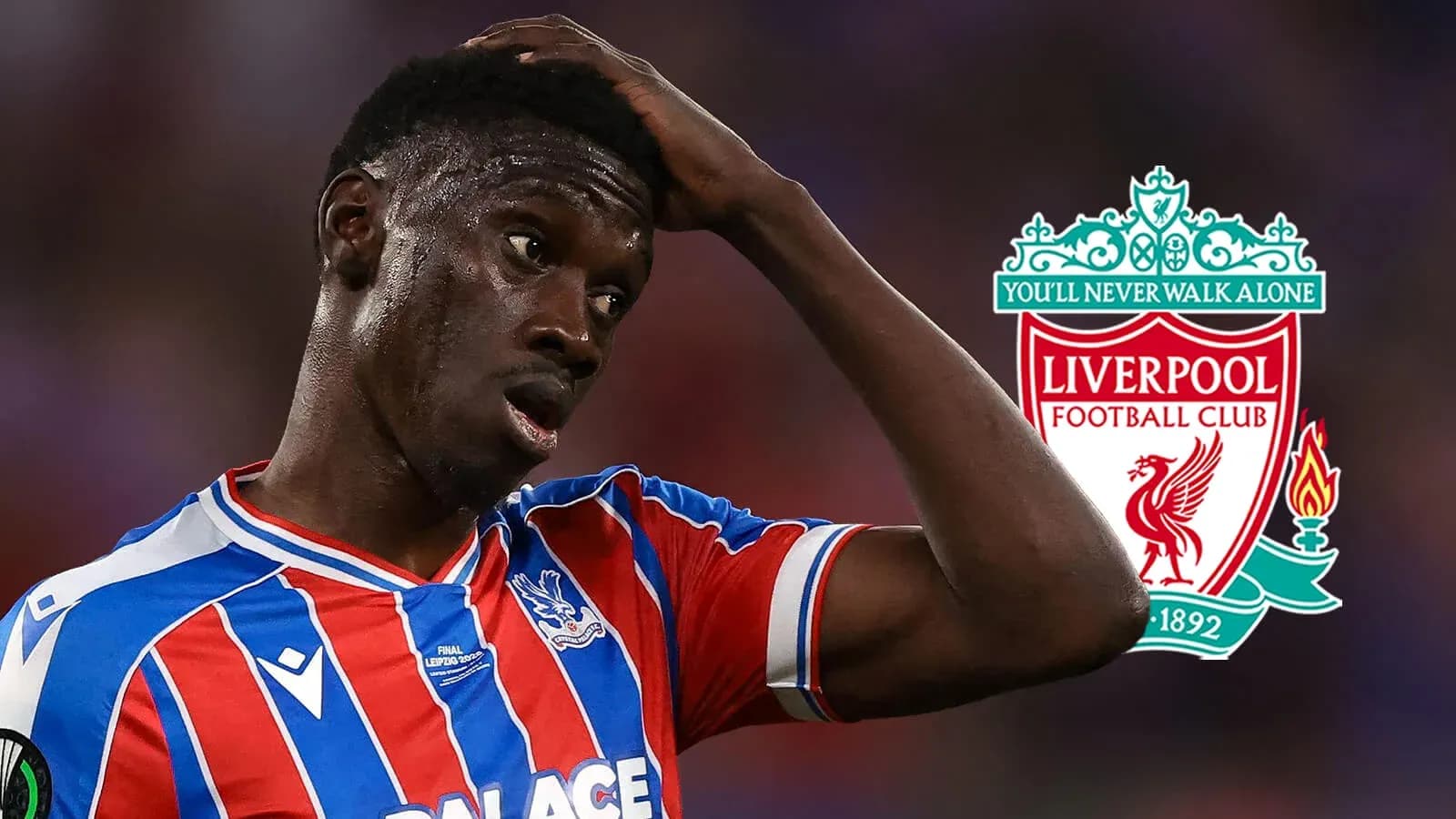
Crystal Palace forward Ismaila Sarr saw a move to Anfield collapse in the final days of the window, and his representative, Diomansy Kamara, has used the fallout to launch a wider attack on how African players are treated in the market.
Liverpool’s winger hunt hits a wall
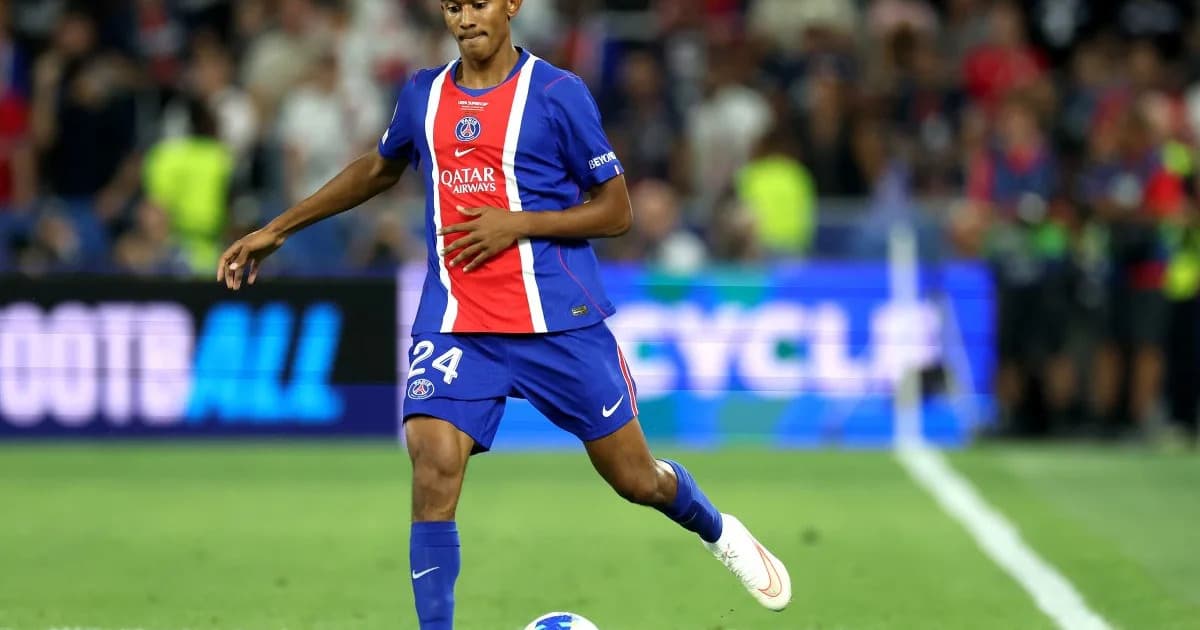
Liverpool went hard for wide players as the deadline loomed. Victor Munoz arrived, Bradley Barcola followed in a blockbuster £123million deal, and the recruitment team still wanted one more winger to round off the attacking options.
They turned to Sarr and Brighton’s Yankuba Minteh. Talks were held, more than once, with both clubs.
For Sarr, Liverpool’s opening move came in at around £40m. Reports from Fabrizio Romano suggested the Reds were prepared to climb to £50m for the Senegal international, but those claims were quickly challenged by other sources. What is clear is that the negotiation hit a ceiling.
Palace pushed the price beyond £50m and made their stance crystal clear: no late sale, not at that stage of the window, not even for a premium. Liverpool, boxed in by time and valuation, walked away.
They had already seen another option slip through their fingers. Ibrahim Mbaye, discussed during the Barcola talks, ended up joining Aston Villa for €55m (£47m). Liverpool watched as a player they had explored as part of their wider planning chose a different path.
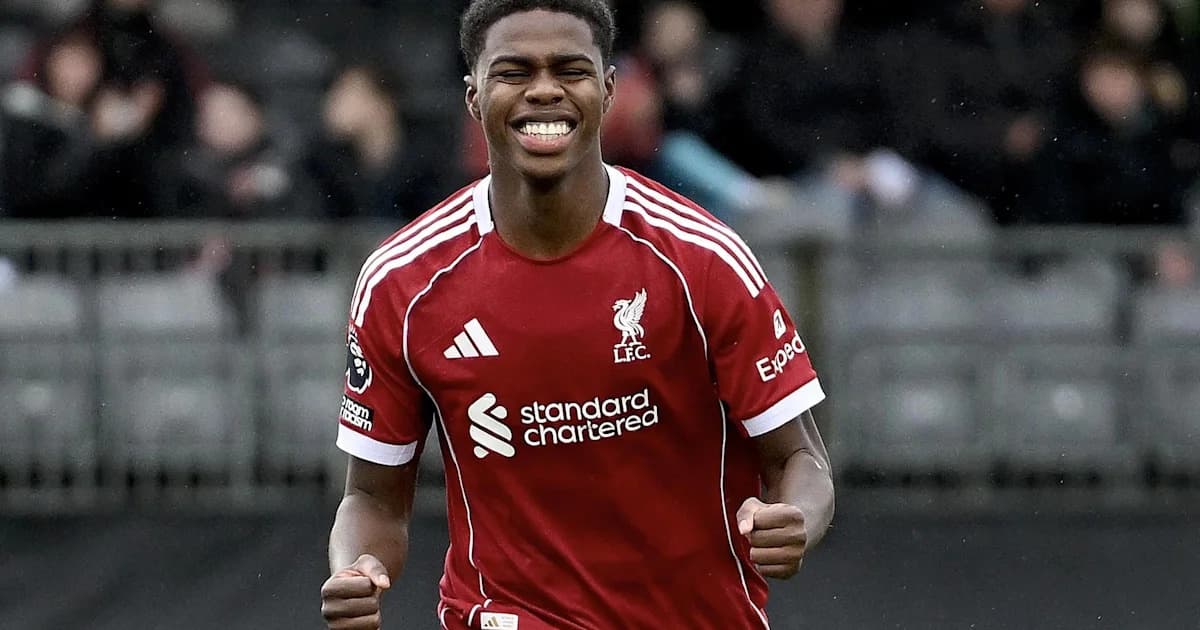
The pattern continued with Minteh. Verbal offers of £50m and £60m went in to Brighton. Both were rejected. When the Seagulls responded by quoting a figure of around £80m, Andoni Iraola’s side considered a final push in the £65-70m range, then backed off. The price had gone beyond what they were willing to stomach.
Liverpool ended the window with Barcola as the marquee attacking arrival, but without the third winger they had chased so aggressively. The gaps at right-back and in central midfield only sharpened the sense of unease among supporters.
Kamara’s sharp response
For Kamara, this was not just a failed deal. It was a moment to call out a pattern.
The former Senegal international represents both Sarr and Lamine Camara, and both endured late-window turbulence. Camara’s own big move – a £47m transfer to Chelsea – collapsed at the last minute when Monaco pulled out of selling the midfielder.
Kamara responded with a long, carefully worded statement on social media that turned two collapsed transfers into a wider indictment of how African footballers are handled.
“The cases of Ismaïla Sarr and Lamine Camara must all interrogate us,” he wrote.
He accused clubs of treating African players like stock on a trading floor: bought, priced, negotiated over, with their own wishes pushed to the margins. His message was blunt: respect is missing.
“Our African players deserve respect. The respect of their work. The respect of their career. Respecting their ambitions. The respect of their voices.”
Kamara reminded clubs that a transfer is not just a neat row of numbers on a balance sheet. “Behind every contract, there’s a man, a career, dreams and life choices.”
He acknowledged the reality that, in professional football, clubs often get the final word. Fees, contracts, and timing give them leverage. But he refused to let that be the end of the conversation.
“One question remains: what about the career and the will of the player? The player must be able to be heard and respected in the decisions that determine his future.”
His closing line cut to the heart of his argument: “Let’s never forget what’s important: behind every success, it’s the players who write history first.”
Sarr’s frustration, interest elsewhere
Sarr’s own frustration was visible. As the window ticked down and the possibility of a move grew, he stripped his Instagram of Crystal Palace imagery, a digital signal of his desire to turn this summer’s speculation into reality.
He had options. Manchester United explored the possibility of a deal but never pushed it to an advanced stage. Galatasaray came in as well, yet their bids fell far short of the £50m-plus Palace demanded. No one got close enough, early enough, to force Palace’s hand.
So Sarr stays. Palace keep a powerful, Premier League-proven winger. Liverpool move on without the extra wide option they had chased. Chelsea miss out on Camara. Monaco hold their ground.
Kamara, though, has made sure the story does not end with a simple list of failed transfers and abandoned bids. He has turned it into a question that will linger over the next window and the next round of negotiations: when the numbers start flying, who truly controls the future of African stars – the clubs, or the players whose names are on the contracts?