Luis de la Fuente Advocates for Spanish Players at Ballon d'Or
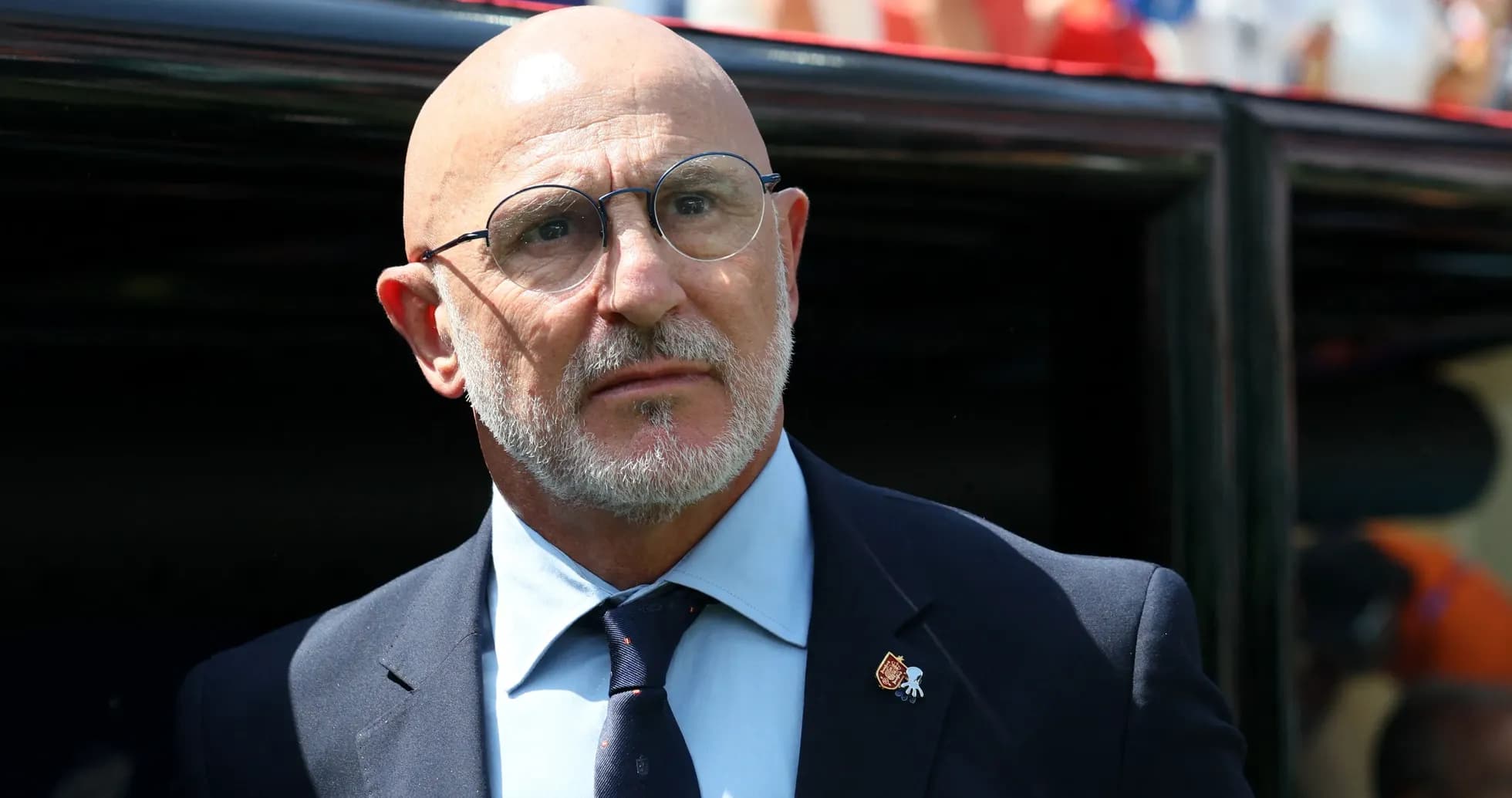
Luis de la Fuente is done with polite applause. With the Ballon d'Or gala looming on October 26, the Spain coach has stepped out of the usual diplomatic lane and gone on the offensive for his players.
Spain have 26 nominees spread across the categories this year. For De la Fuente, that number proves a simple point: the game’s most coveted individual prize has been looking the other way for too long.
“It has to be won by a Spaniard,” he told El Larguero, laying out his case with the conviction of a man who has just lifted the biggest trophies on offer. He spoke of the Spanish footballer as “almost, almost perfect” — tactically sharp, technically superior, and, in his eyes, consistently undervalued when the golden ball is handed out.
The message was clear. Spain aren’t asking for recognition. They’ve earned it.
Yamal, Mbappé and a new world order
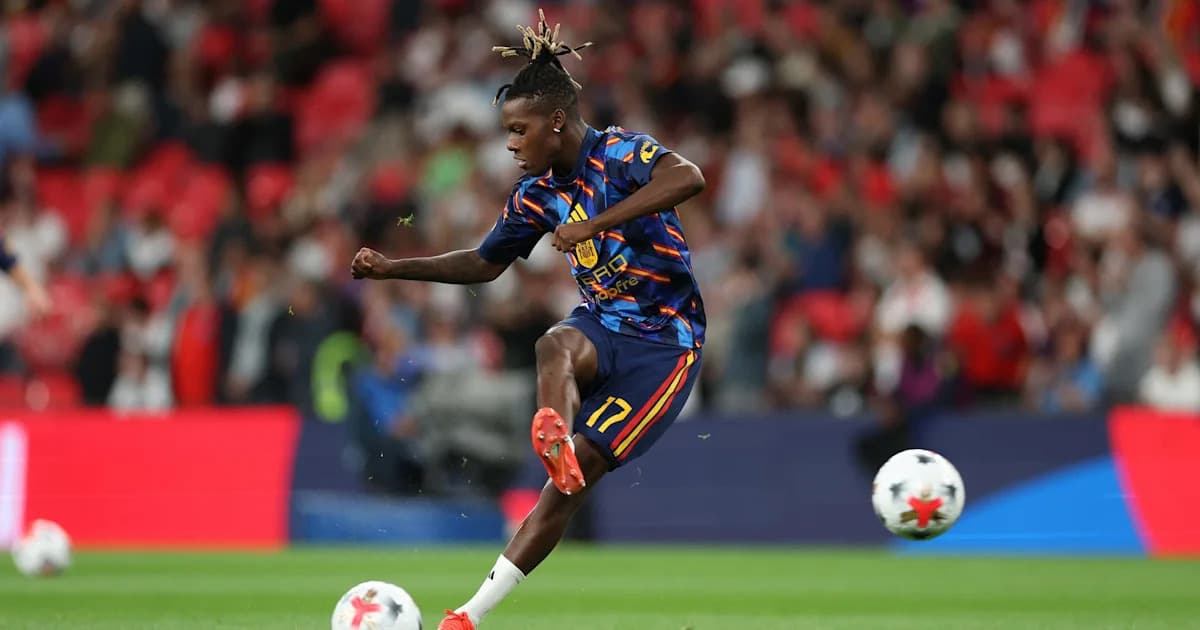
One name dominates the new era of Spanish talent: Lamine Yamal. The Barcelona teenager has already placed himself in the same bracket as Kylian Mbappé, a comparison that would sound outrageous if it weren’t backed by his performances.
Asked whether he would ever have dared to speak that boldly in his own playing days, De la Fuente didn’t flinch. He refused to dress Yamal’s confidence up as arrogance. To him, it is simply a reflection of what is happening on the pitch.
“I think you have to see in what context it is said,” he argued. Yamal, like Mbappé, “has made enough merits.” Two players with a different touch, as he put it, and two players who, “in the coming years, respecting others, will mark football.”
No rebuke. No warning to keep his feet on the ground. Just a manager backing his prodigy and underlining that if Yamal talks about Ballon d'Or levels, it is because he is playing at them.
The forgotten pillars: Fabián, Oyarzabal, Pedri
De la Fuente’s campaign is not just about the headline acts. While Mbappé and Yamal dominate the global conversation, he sees other pillars of his champion side being quietly pushed to the margins.
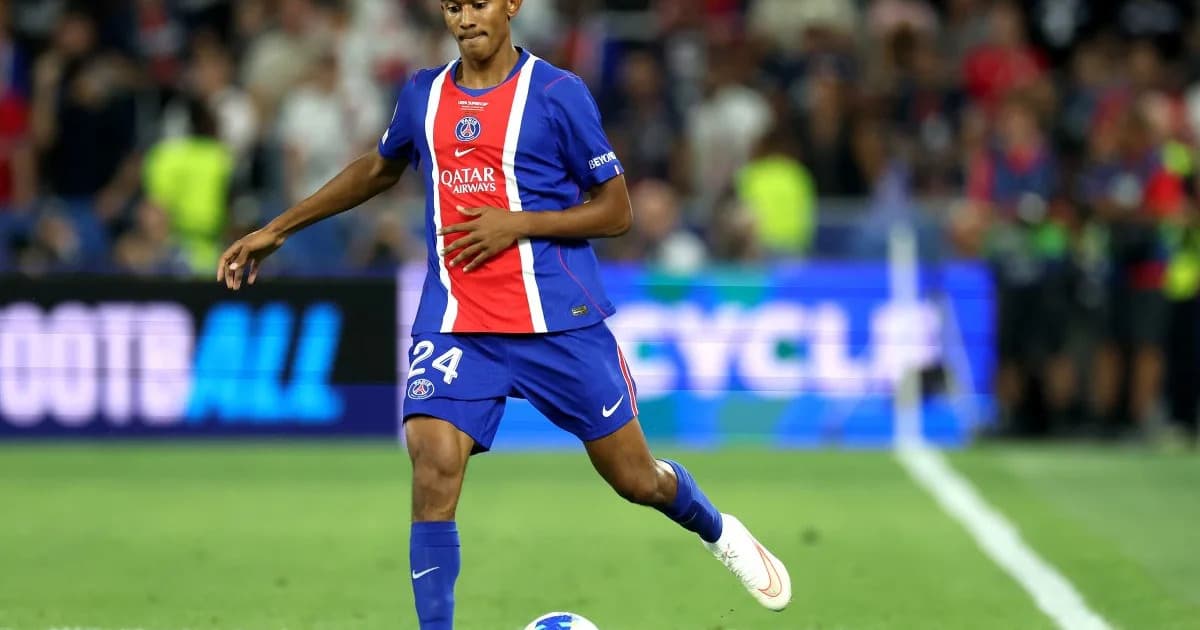
One of them is Fabián Ruiz. The Paris Saint-Germain midfielder has been central to Spain’s success, yet rarely features in the global glamour lists. De la Fuente made a point of dragging his name into the spotlight when pressed to choose between Rodri and Yamal for the main award.
“And Fabián, whom we always forget about,” he said, almost in exasperation.
He then turned to another omission that has clearly irritated him: Mikel Oyarzabal. For De la Fuente, the Real Sociedad forward should “at the very least” be among the final 30, if only to acknowledge the talent and importance of the top scorer of the world champion national team.
Those details matter to him. They are not footnotes. They are the backbone of his argument that individual awards should reflect collective triumphs — and Spain, as world champions, have supplied the season’s defining success.
He didn’t stop there. Pedri’s absence from the list also surprised him. Yet when it came to picking a single Spanish favourite, he refused to nail his colours to one name.
“Of those who are, I do not bet on any one of them,” he said. “Whoever wins it, of the Spanish footballers, I will be very happy.”
The stance is deliberate. De la Fuente is not building a personal Ballon d'Or campaign for one star. He is building a case for a generation.
A goalkeeping factory at the top of the world
If there is one position where Spain’s dominance is almost impossible to ignore, it is in goal. All three of the national team’s World Cup keepers — Unai Simón, David Raya and Joan García — are nominated for the positional trophy.
For most countries, one name on that list would be a source of pride. Spain have three. De la Fuente sees that not as a happy coincidence, but as confirmation of a long-running trend.
He has long maintained that among the five best goalkeepers on the planet, there are “always three Spaniards, at the very least.” The current nominations simply give that belief a shiny, official stamp.
“Let’s bet on what is ours and value it,” he urged. The message was as much for Spain as it was for the wider football world. Stop apologising for excellence. Stop treating it as routine.
A line in the sand before Paris
De la Fuente’s words carry extra weight because they arrive at a moment when Spanish football is reshaping the elite landscape. Yamal at Barcelona. Mbappé now at Real Madrid. A national team stacked with decorated midfielders and a production line of goalkeepers that refuses to slow down.
Spain are not just relevant again. They are setting the tempo.
The Ballon d'Or, of course, will follow its own logic. History shows it does not always reward the best team or the most coherent footballing project. De la Fuente knows that. His push is not naïve.
But he has drawn a line. If Spain are world champions, if their players are filling the shortlists, if their young stars are already defining the conversation, then the next golden ball, in his eyes, should not be crossing any border.
“Let’s bet on what is ours,” he said.
On October 26 in Paris, the football world will show whether it is ready to do the same.