Man City's Verdict: Impact Beyond Football Explored
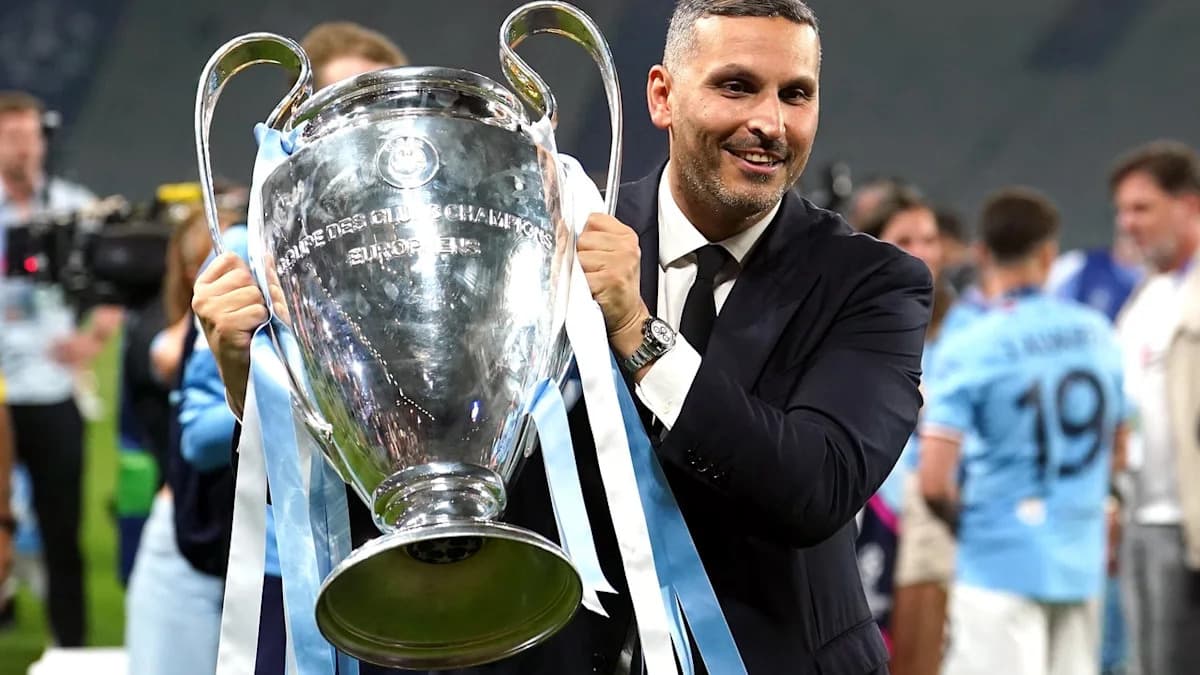
Khaldoon Al Mubarak, chairman of Manchester City, openly challenged reports that the club is set to be found guilty of breaching Premier League financial rules. His message to supporters came shortly after news broke of the likely verdict against the club, underscoring both personal and business stakes tied to Abu Dhabi interests.
Al Mubarak emphasized his confidence in the club's innocence, referencing previous statements dating back to February 2023 when charges first emerged. Despite an independent panel apparently dismissing much of the club's evidence, Al Mubarak maintained a defiant tone, cautioning those who wish to undermine the club’s progress that they would not succeed.
The Political Dimension Behind the Football Case
This saga stretches beyond sport. Al Mubarak, often seen as the UAE's de facto prime minister and a close advisor to President Mohammed bin Zayed, wields significant influence politically and commercially. Past incidents have shown the UAE could leverage trade deals and arms agreements to press political points with the UK government, adding layers of tension to this case.
Al Mubarak's reputation as a skilled deal-maker combines charm with a resolute, sometimes unyielding, edge—qualities evident in his remarks about legal battles and the leaked emails that ignited this investigation. He once declared a willingness to invest £30 million on top lawyers for a decade-long fight against UEFA, revealing his readiness for prolonged conflict.
Background and Influence of Khaldoon Al Mubarak
Born into a family marked by tragedy—his father, a former UAE ambassador to France, was assassinated in 1984—Al Mubarak grew up with a strong sense of patriotism and elite education abroad. At 50, he stands as the most influential non-royal figure in the UAE, managing major roles including chairman of the Executive Affairs Authority, CEO of the Mubadala wealth fund, and chairman of Manchester City.
The football club's strategies reflect broader UAE state interests, mirroring geopolitical complexities similar to controversies involving arms embargoes in Sudan and Libya. Al Mubarak’s presence at City signals the club's importance within these wider national ambitions.
Potential Fallout and Wider Ramifications
If the verdict turns against Manchester City, owner Sheikh Mansour could face a public relations blow with political consequences in Abu Dhabi. Some speculate this might impact key figures at the club, though removal of Al Mubarak himself seems unlikely given his stature.
The scale of this case is unprecedented in European football, not just because of its length or number of charges, but due to its geopolitical weight. It marks a rare instance where football governance and international state relations intertwine so closely.
Private equity investments from Abu Dhabi funds in other Premier League clubs add nuance to reactions within football circles, which appear less confrontational than in previous years. Meanwhile, UK Prime Minister Andy Burnham, who was Manchester’s mayor during heavy UAE investment in the city, has praised the club’s owners and maintains ties with Emirati leadership.
The Unfolding Story
Though the Premier League process remains independent, the power and resources backing Manchester City create expectations that legal challenges will be fiercely contested. The breadth of charges won by the league surprised many, given the club’s deep state-linked backing.
Against this backdrop, Al Mubarak’s continued assertiveness signals a battle far larger than football alone, with implications reaching into diplomacy and economic alliances between the UK and UAE.