The Man City Scandal: The Biggest in Sports History and What It Means for Football
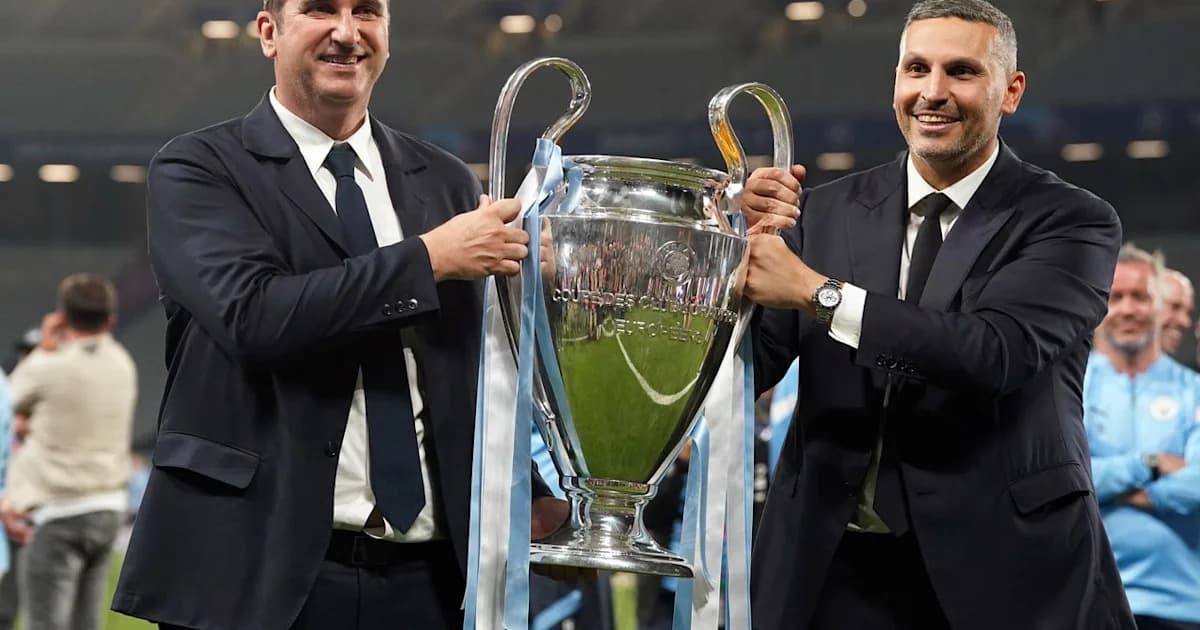
At a European Football Clubs meeting in Copenhagen, all eyes were on Ferran Soriano, the Manchester City CEO. Described as almost statue-like, Soriano seemed eager to avoid interaction, frequently pretending to be on calls. The Premier League independent commission’s damning verdict on City had shaken the football world, but the club's internal video response surprised many by sounding even more defiant than their official statement.
In that video, Soriano suggested a conspiracy was at play against Man City and vowed to defend the club vigorously while seeking compensation from those who tried to harm it. This aggressive stance stunned many executives, clashing with the usual English sporting culture where such an intense reaction is rare.
Fan Reaction and The Club's Tarnished Reputation
On social media, fans showed genuine anger towards the club’s ownership for perhaps the first time. The name Manchester City became tainted, with many describing the club’s response not as brave but delusional. Questions arose about whether the hefty legal fees—reportedly around £100 million—had really been worth it. Unless new evidence emerges, it seems unlikely an appeal will overturn the ruling based on the overwhelming case against them.
Even if City attempts to challenge the decision on technicalities, as they did with UEFA in 2020, few will be convinced. This latest decision is fully published, revealing what looks like a highly organized system of cheating, possibly the most sophisticated in football history.
Comparisons and Geopolitical Impact
This scandal rivals some of sport’s darkest moments, evoking memories of the Tour de France doping cases and the controversial Qatar/Russia World Cup bids. The involvement of Abu Dhabi adds a geopolitical layer, linking the club’s actions to broader state interests, including controversial responses to conflicts in Yemen and Syria.
Khaldoon Al Mubarak, the club chairman, represents these ties. The stakes go beyond football, hinting at how powerful owners might disrupt entire leagues if they cannot operate as they wish. This behavior is often likened to spoiled royalty used to unchecked authority.
Long-Term Consequences and Football’s Future
If the appeals drag on for years, as Soriano predicted, the Premier League’s integrity could suffer. Matches involving Man City would be overshadowed by suspicion, eroding trust in results. One wonders if the club's leadership cares about this fallout at all.
The scandal also prompts reflection on how football allowed such autocratic influences to penetrate its core. This isn’t just a crisis for Man City; it challenges an entire era marked by lax regulation under former Premier League chief executive Richard Scudamore.
The lenient approach to ownership models created vulnerabilities that have now exploded. Though Abu Dhabi’s influence still carries weight, the situation feels dangerously toxic, reminiscent of corporate scandals like Enron or media fiascos such as News of the World.
The Toll on the Club and Its Fans
Manchester City’s reputation has been damaged for a generation. While the club itself remains distinct from its owners, it has been dragged down by their actions. Fans who celebrated recent triumphs now face the bitter reality that much of that success may be forever stained.
The club has gone from a dominant force to a position clouded by doubt and uncertainty. Will the owners sell? Experts note that Gulf autocracies like Abu Dhabi hate shame and embarrassment, but political considerations might influence any decision. Given their heavy diplomatic ties with the UK, they might resist pressure to relinquish control.
Could football’s independent regulator intervene and force a sale? This scandal raises questions not only about one club but about the future direction of the sport and its governance.
Is This Day Good or Bad for Football?
The answer is complicated. On one hand, exposing wrongdoing is necessary for the game’s health. On the other, the scale of the betrayal threatens the sport’s very foundation. Perhaps a fan-owned model for the club could emerge as a positive outcome from this turmoil.
Whatever happens next, this remains one of the most significant scandals football has ever faced.
- Event: Premier League independent commission decision on Manchester City
- Date: September 30, 2026
- Key Figures: Ferran Soriano (Man City CEO), Khaldoon Al Mubarak (Chairman)
- Legal Fees: Approximately £100 million
- Geopolitical Links: Abu Dhabi, conflicts in Yemen and Syria
- Previous Related Case: 2020 UEFA Financial Fair Play case