Manchester Derby Controversy: VAR's Impact on Football
At Old Trafford, the Manchester derby was supposed to be about supremacy, form, and bragging rights. Instead, it turned into another chapter in the Premier League’s running argument with its own technology.
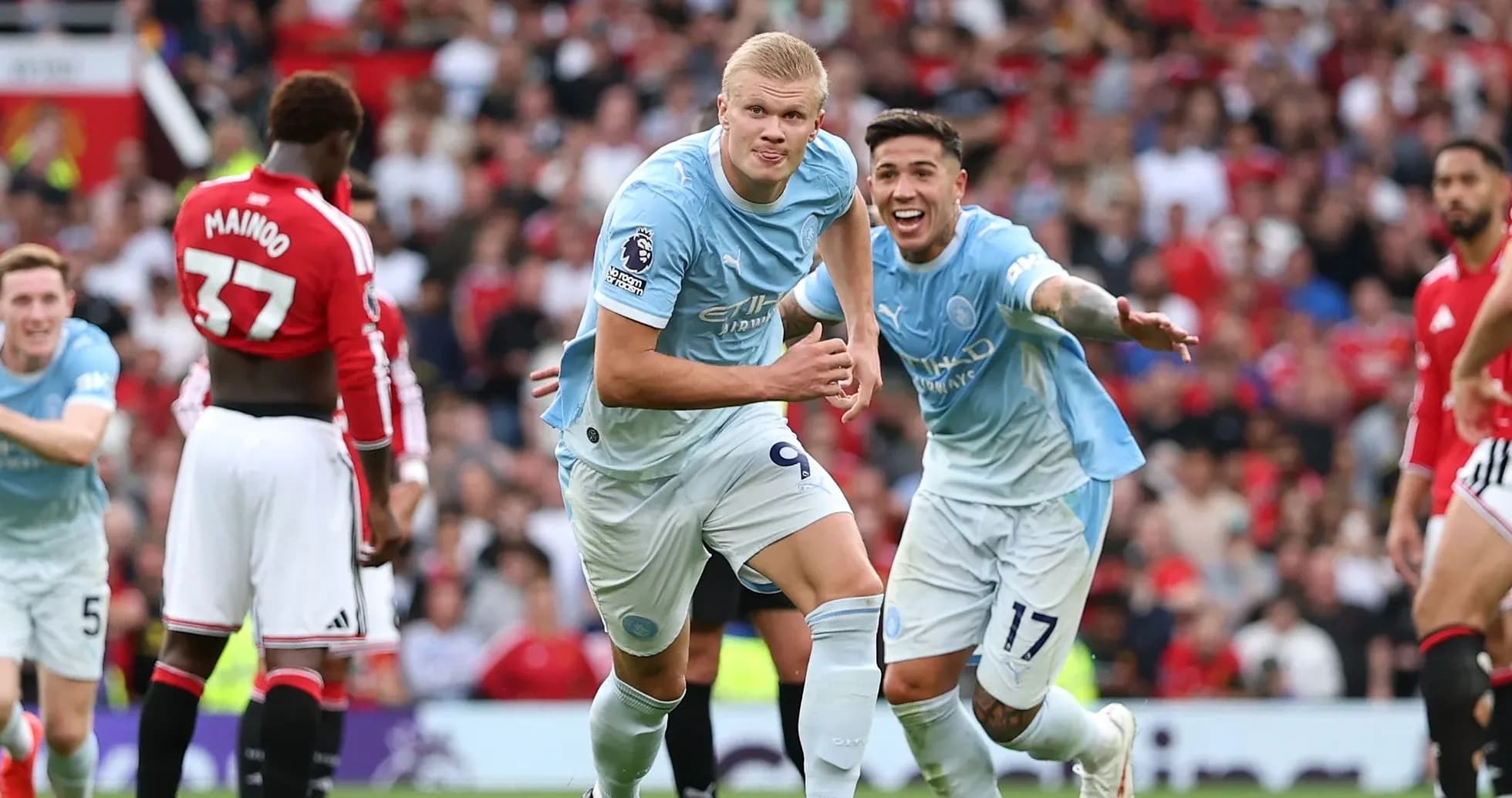
Erling Haaland’s 60th-minute winner should have been the headline. A striker in full stride, timing his movement, turning in a Josko Gvardiol cross. The flag went up. Old Trafford exhaled. Then came the familiar pause, the wait, the drawn-out uncertainty that has become the soundtrack to modern goals.
VAR stepped in. The on-field offside decision was overturned. The goal stood. Manchester City celebrated. United fumed. The stadium seethed.
Within 24 hours, the Professional Game Match Officials Limited had picked up the phone to Manchester United and admitted what the crowd already suspected: they had made an "error of judgment."
Their own Match Centre had initially tried to justify the call, posting that VAR had "determined that Haaland was in an onside position" and had "deemed that while in an offside position, [Enzo] Fernandez didn't play the ball." It was a technical explanation for a decision that never convinced the naked eye.
The pressure finally told. By Sunday evening, the officials’ body conceded that the VAR team "did not recognise the likely impact" of Fernandez’s position and "should have recommended an on-field review." No grey area. No hiding place. Just a blunt admission that, in the defining moment of a derby, the system had failed.
For Peter Schmeichel, watching from the pundit’s chair in the stadium where he built his legend, it was another nail in VAR’s reputation.
"I wish that we could scrap VAR," he told Viaplay, his frustration cutting through the broadcast. To him, the problem runs deeper than one decision. "We've got into a system now where VAR and the referees are the most important people in football. It sucks all the energy out of it. As soon as there is a goal, you're not allowed to celebrate."
He has lived both eras: the raw, chaotic theatre of 1990s Old Trafford and the hyper-scrutinised modern game. From his vantage point, the trade-off has not been worth it.
"We saw after five minutes, the players and the fans could celebrate -- but it's not the same," he said. "The ball goes in the back of the net, it's a goal, but then the linesman puts his flag up for offside.
"I wish, and I'm longing for these days, we could scrap VAR because it's such an annoyance and it's interfering with football. And it hasn't made it better."
His anger wasn’t isolated nostalgia. It echoed around the commentary box as well.
On Sky Sports, Gary Neville watched the same replays, heard the same explanations, and simply couldn’t square them with what he was seeing. The former Manchester United defender has spent a decade dissecting the laws of the game for television, but this one left him cold.
"I'm going to need the offside law explaining to me, because that has lost me, I have to say," he admitted on air. It was a line that spoke less of confusion and more of exasperation with a law that seems to contort itself under forensic, frame-by-frame analysis.
Neville went one step further, predicting that PGMOL would have to backtrack on the decision. He didn’t have to wait long to be proven right. When the admission came, it did more than confirm a single mistake; it underlined a growing crisis of confidence in how the game is being refereed at the highest level.
This was not a marginal toenail offside or an invisible touch on a shirt. This was a major call in one of the biggest fixtures of the season, overturned by a process that then had to be publicly disowned.
The fallout has reignited an argument that never really cools: is VAR, in its current form, compatible with the sport it is supposed to serve?
Supporters inside Old Trafford had their answer long before the statement arrived. The delayed cheers, the suspicion that every celebration might be snatched away, the sense that the emotion of the moment now belongs not to the players or the crowd but to a team of officials hunched over monitors miles away.
For many, that is the core of the problem. The technology was sold as a tool to correct the "clear and obvious." Instead, it often feels like the main event. Every big game now carries the same question: will the decisive moment be settled by a player’s brilliance or by a still image in a bunker?
The Manchester derby offered all the usual ingredients: intensity, quality, needle. Yet when the dust settled, the conversation turned not to Haaland’s movement or Gvardiol’s delivery, but to an "error of judgment" and an offside interpretation that even seasoned professionals struggled to understand.
As the Premier League faces renewed calls to refine, restrict, or even rip up its use of VAR, one thing is unmistakable: when a goal in a derby can be given, defended, and then effectively disowned within a day, the technology designed to bring clarity is now at the centre of the chaos.