Manchester United Bans 685 Accounts After Ticket Touting Probe
Manchester United have banned 685 ticketing accounts and sanctioned or warned a further 464 supporters after a sweeping investigation into touting – but the fallout with sections of their own fanbase is far from over.
The club launched the probe in July, a move that immediately sparked fury and anxiety among season-ticket holders. Emails began landing in inboxes, warnings were issued, and many supporters feared the worst: confiscated tickets, no explanation, and a sense of being treated as suspects rather than loyal regulars.
The backlash was loud. Protests grew, online and outside the ground. Fans complained they had not been told clearly what they had done wrong or why their accounts were under scrutiny.
Under pressure, United rowed back on some of the language in their correspondence. The club accepted they had underestimated how many fans routinely shared account details with friends and family, and acknowledged that their initial approach had caused “distress” to some supporters.
They have not, though, softened their stance on the core issue.
According to the club, 685 accounts have now been banned outright. A further 464 supporters have been hit with reduced sanctions or final warnings. United say bans were reserved for “significant misuse of the ticketing system for financial gain”, including what they describe as organised ticketing networks controlling, selling and distributing tickets from hundreds of accounts.
Inside Old Trafford, the message is clear: this was not a dragnet that accidentally scooped up innocent fans and treated them as touts. Club sources insist that several high‑profile cases shared on social media are inaccurate or incomplete, and argue that the investigation has successfully identified and shut down large-scale touting operations.
Whether that convinces the match‑going crowd is another matter.
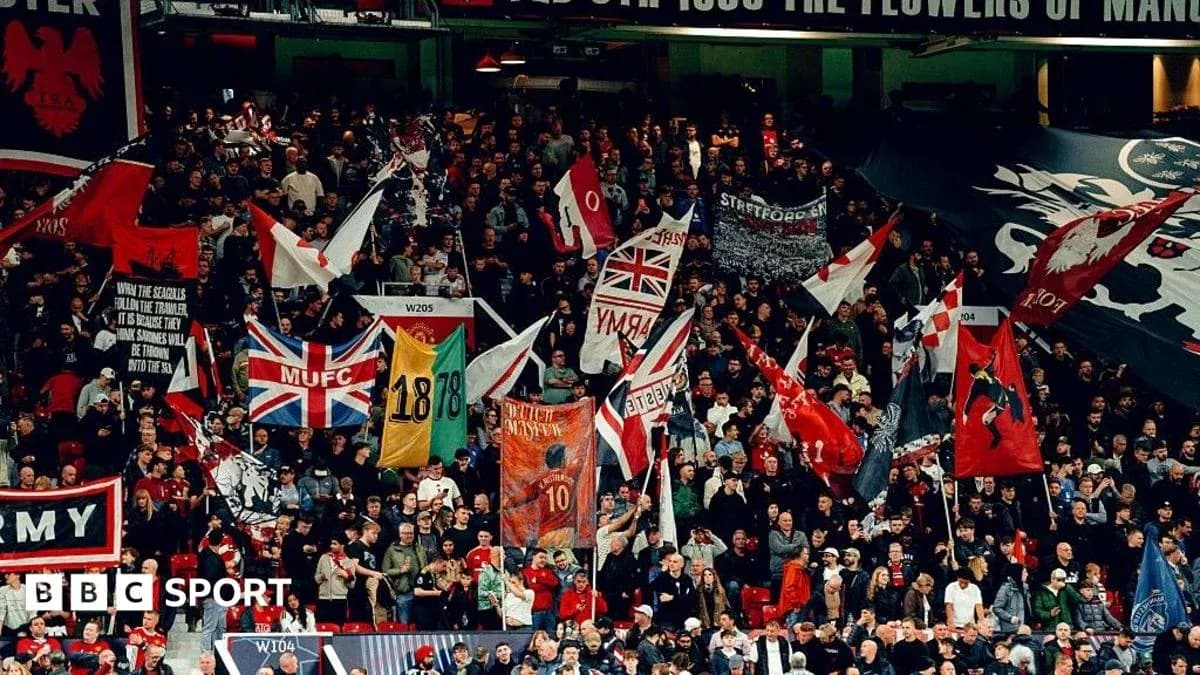
The 1958 fans group has already called for a protest against the club’s ownership before Sunday’s Manchester derby, with the ticketing crackdown listed as a central grievance. For many, this is not just about touts; it is about trust, communication and the feeling that loyal supporters are being policed rather than protected.
United, for their part, frame the operation as a necessary defence of the matchday experience. “The club's guiding principle around ticketing is simple: to keep our fans safe and secure, to protect fair access to tickets for genuine Manchester United supporters and to tackle ticket touting, misuse and activity for financial gain,” the club said.
They are also keen to stress that they are not cashing in on the sanctions. Until the appeals process is complete, tickets from sanctioned accounts will be resold on a match-by-match basis at standard season-ticket prices, not at a premium. “The club is not profiting from this process,” United added.
This is not a fight United are waging alone. Across the Premier League’s elite, clubs are tightening the net around secondary markets and unauthorised resales. In March 2025, Manchester City banned 165 supporters for touting after away fans were discovered in home sections at Etihad Stadium. In July 2026, Liverpool issued 432 lifetime bans as part of their own crackdown, with more than £1.2m of assets seized.
The direction of travel is obvious: clubs want control of their ticket ecosystems, and they are prepared to take drastic action to get it.
At Old Trafford, though, the tension lies in the space between principle and practice. United say they have broken up major touting networks. Many supporters accept that something had to be done. Yet the scars from a summer of opaque emails and confused communication have not healed.
The numbers are in. The bans are in place. The derby looms. Now comes the real test: can the club’s relationship with its own fans withstand the cost of cleaning up the turnstiles?