Manchester United Faces Challenges: JJ Gabriel Exit and Managerial Support
At a time when Manchester United are trying to project control and long‑term planning, the club find themselves wrestling with three very different storms: a teenage talent edging towards Spain, a manager under pressure but backed from above, and a high‑profile defender on the wrong side of his national coach.
None of them reflect a club at ease.
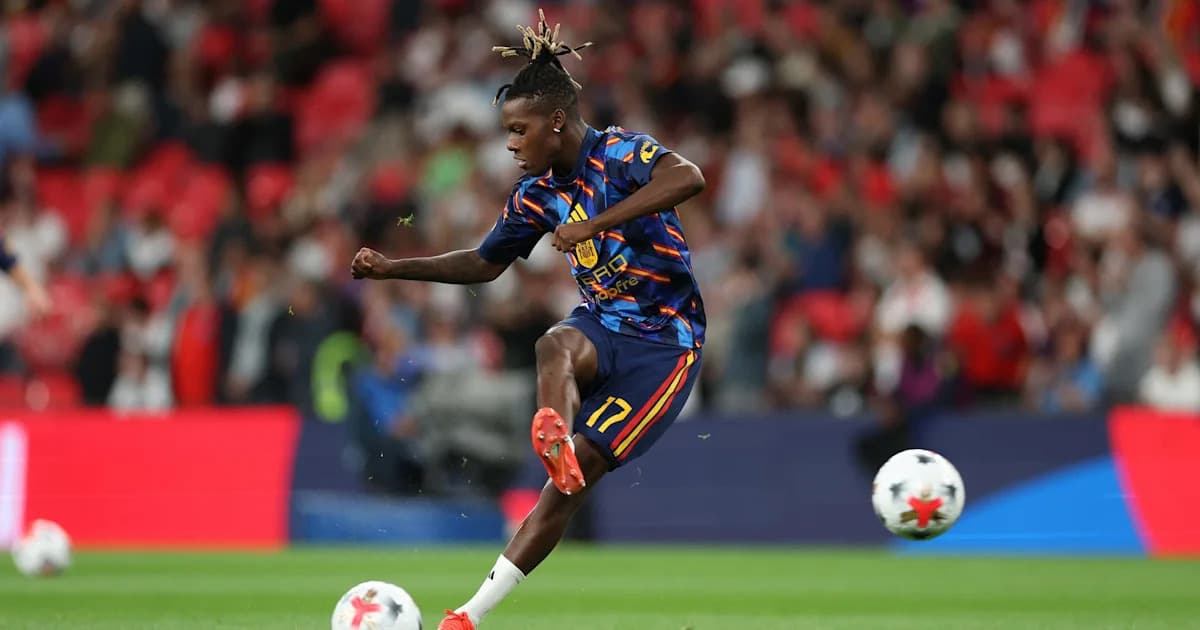
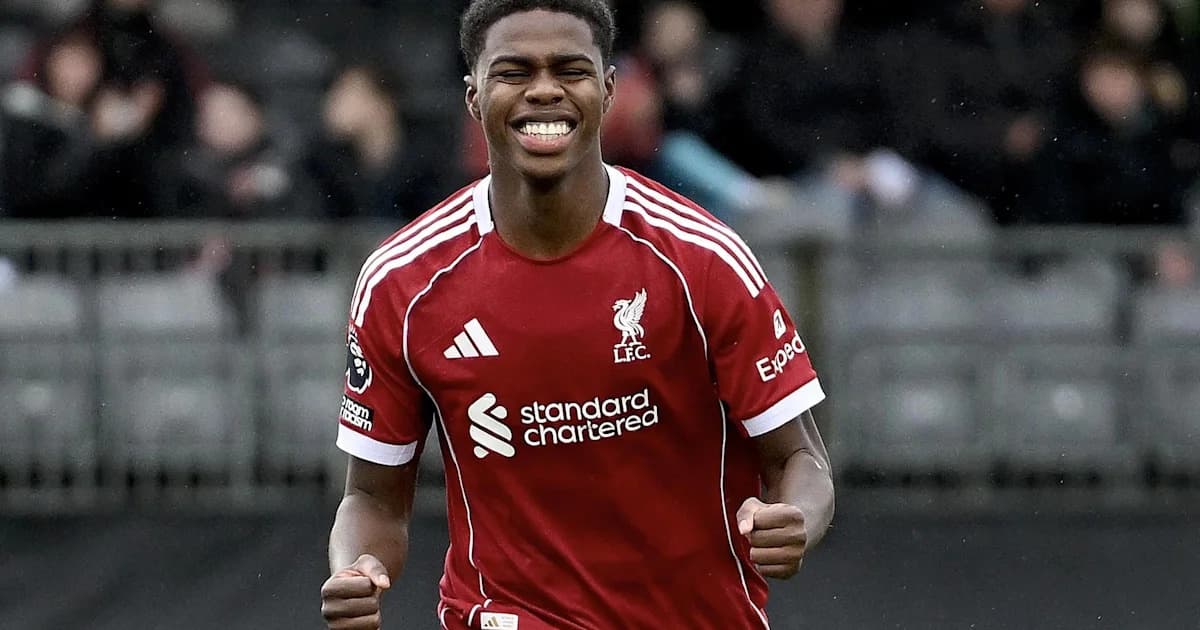
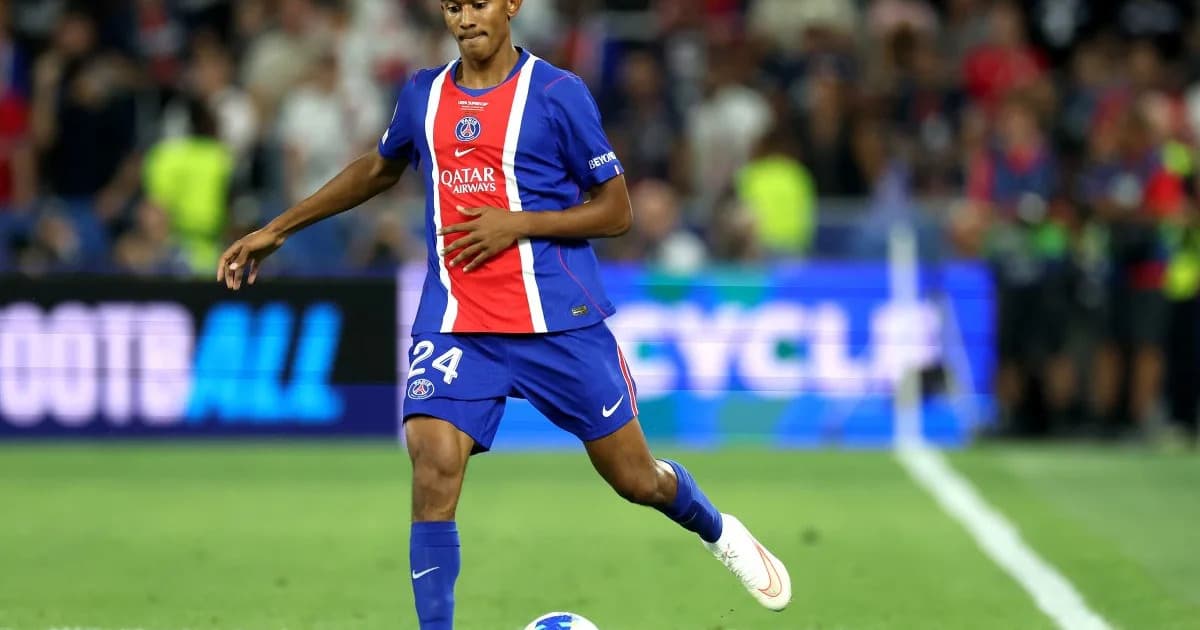
JJ Gabriel saga: Spain calling, United counting the cost
United’s fears over JJ Gabriel are close to becoming reality.
The 15‑year‑old attacker, highly regarded inside Carrington, has formally asked for his registration to be cancelled so he can become a free agent. That request, lodged earlier this week, effectively opened the door to the European giants who have been circling for months.
Real Madrid and Barcelona have both held talks with Gabriel, with conversations described as positive. The two most powerful clubs in Spain, both at the table for a boy who has not yet turned 16. United, for all their history and resources, are reduced to spectators.
And the financial upside? Minimal.
If Gabriel ends up at either Barcelona or Madrid, United are set to receive around £300,000 in compensation, according to The Daily Mail. For a club that once prided itself on being the destination for the world’s brightest young talents, losing one of their own for a fee that barely registers on a Premier League balance sheet is a brutal reminder of how the landscape has shifted.
Gabriel’s Irish passport is crucial here. It allows him to move abroad when he turns 16 on October 6, and the clock is ticking loudly. Every day that passes edges United closer to the moment they can no longer influence his future, only watch it unfold from afar.
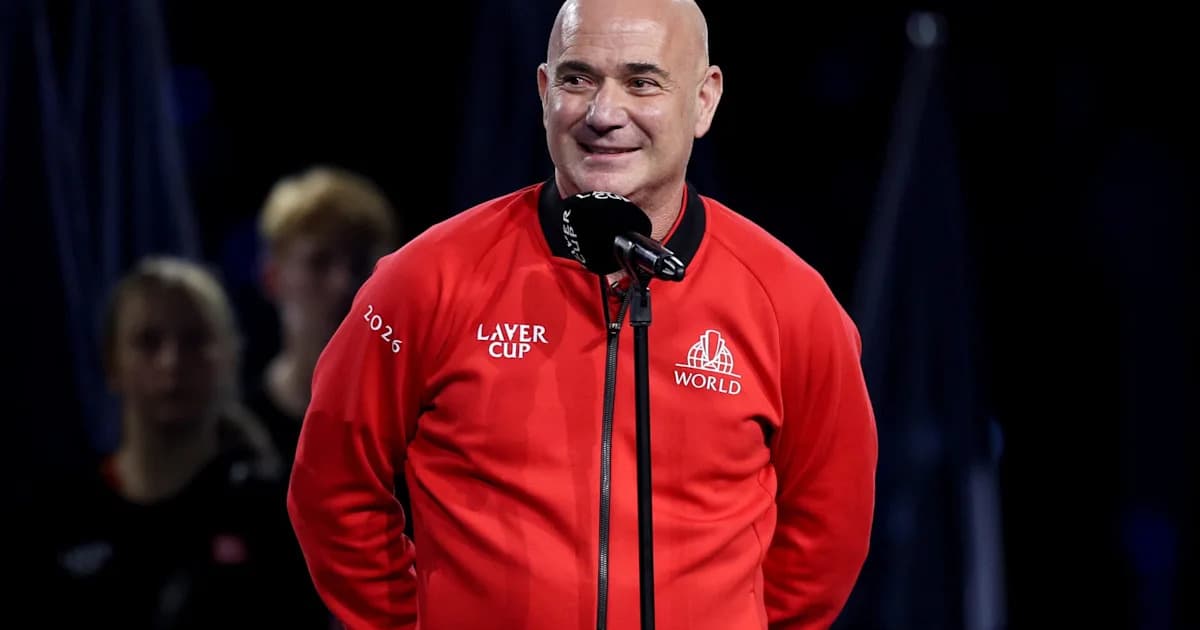
Wilcox stands by Carrick amid internal doubt
If the academy situation hints at instability, the managerial picture is no calmer.
United have taken just four points from their opening four Premier League games and crashed out of the League Cup at Old Trafford to Brighton and Hove Albion. In most seasons, under most regimes, that would be enough to trigger serious questions about the manager’s future.
Those questions have been asked. The answer, for now, is clear.
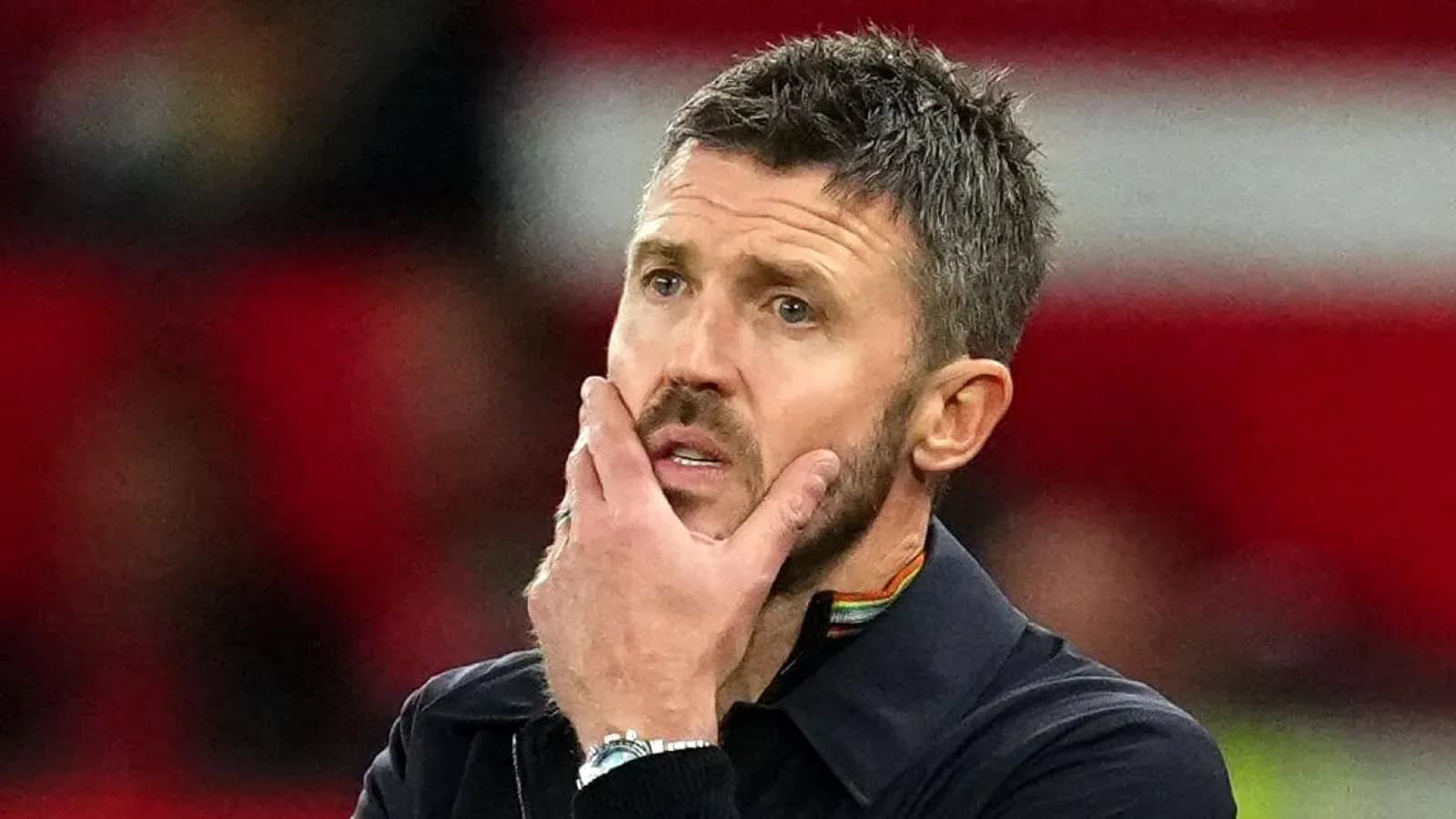
On September 17, it emerged that United’s hierarchy have decided to keep Michael Carrick in charge. The INEOS co‑owners have no immediate plan to sack him, and inside the football structure one figure is pushing particularly hard for continuity: director of football Jason Wilcox.
Wilcox, appointed in April 2024, is described as firmly backing Carrick and wanting the club to stick with his choice for the long term. His role places him close to the training ground, supporting Carrick on coaching and recruitment. In theory, it should be a partnership that shapes United’s next era.
Not everyone at the club is convinced.
Well‑known United fan, YouTuber and presenter Mark Goldbridge claimed on X that someone on the board “isn’t convinced by Carrick,” while stressing that Wilcox is not that dissenting voice. Goldbridge went further, questioning why Wilcox still holds so much influence after already overseeing the dismissals of Erik ten Hag and Ruben Amorim since his arrival.
The criticism is fierce: that Wilcox had “no CV” for the role, that “everything he’s touched has been catastrophic,” and that it is “incredible” he is still calling the shots. It is a raw, emotional assessment, but it taps into a wider unease among sections of the fanbase about who is actually steering the football project.
Carrick, then, finds himself in a curious position. Publicly backed by the man tasked with building the club’s football identity. Privately questioned by at least one board member. Judged every weekend by a fanbase that has heard promises of long‑term projects before and watched them unravel.
The next few months will reveal whether Wilcox’s conviction is the start of a stable era or the prelude to another reset.
Tuchel’s blunt warning for Maguire
Away from Old Trafford but never far from the conversation, Harry Maguire is dealing with a different kind of scrutiny.
The Manchester United centre‑back has already missed out on England’s squad for the 2026 World Cup finals in the summer, and his name is absent again from the latest group for the September and October international break.
Maguire did not hide his frustration after being left out of the World Cup squad. He went public with his disappointment, a rare move for a player who had been such a fixture under previous England regimes.
Thomas Tuchel did not appreciate it.
Asked whether Maguire’s reaction had made it harder to bring him back into the fold, Tuchel did not dodge. “It doesn’t help. It does not help,” he said, as quoted by The Mirror. He added that he would not hold it against Maguire “for the rest of his life” and that he can “forget easily and quickly,” but the message was unmistakable: the outburst left a mark.
For Maguire, the situation is stark. He is fighting for his United place, battling to change perceptions domestically, and now knows that every word he says about England carries weight with a manager who prizes discipline and control around his squad.
United, meanwhile, must navigate a season in which a prized teenager may walk away for a modest fee, a manager is backed by a sporting director under heavy fire, and one of their most talked‑about defenders is out in the cold on the international stage.
The club insists it is building for the future. The question is whether that future is being shaped by design, or simply happening to them.