Manchester United's Late Goals Problem: Neville's Warning
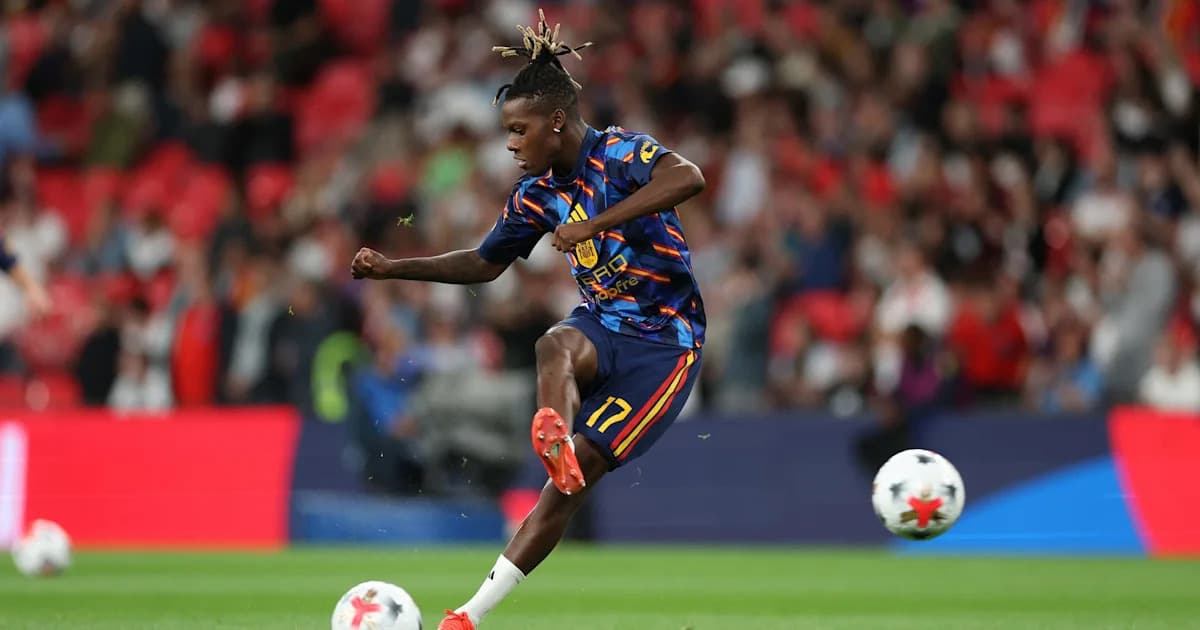
Manchester United walked out of the Hill Dickinson Stadium looking like a team that had let something far more serious slip than two points. They had control, they had the game where they wanted it – and then, in the 96th minute, they had Ainsley Maitland-Niles sweeping away their comfort and exposing a familiar flaw.
Four points from three Premier League games is not a crisis. But the way United are bleeding late goals already feels like an old story being told with new faces.
Neville’s blunt verdict
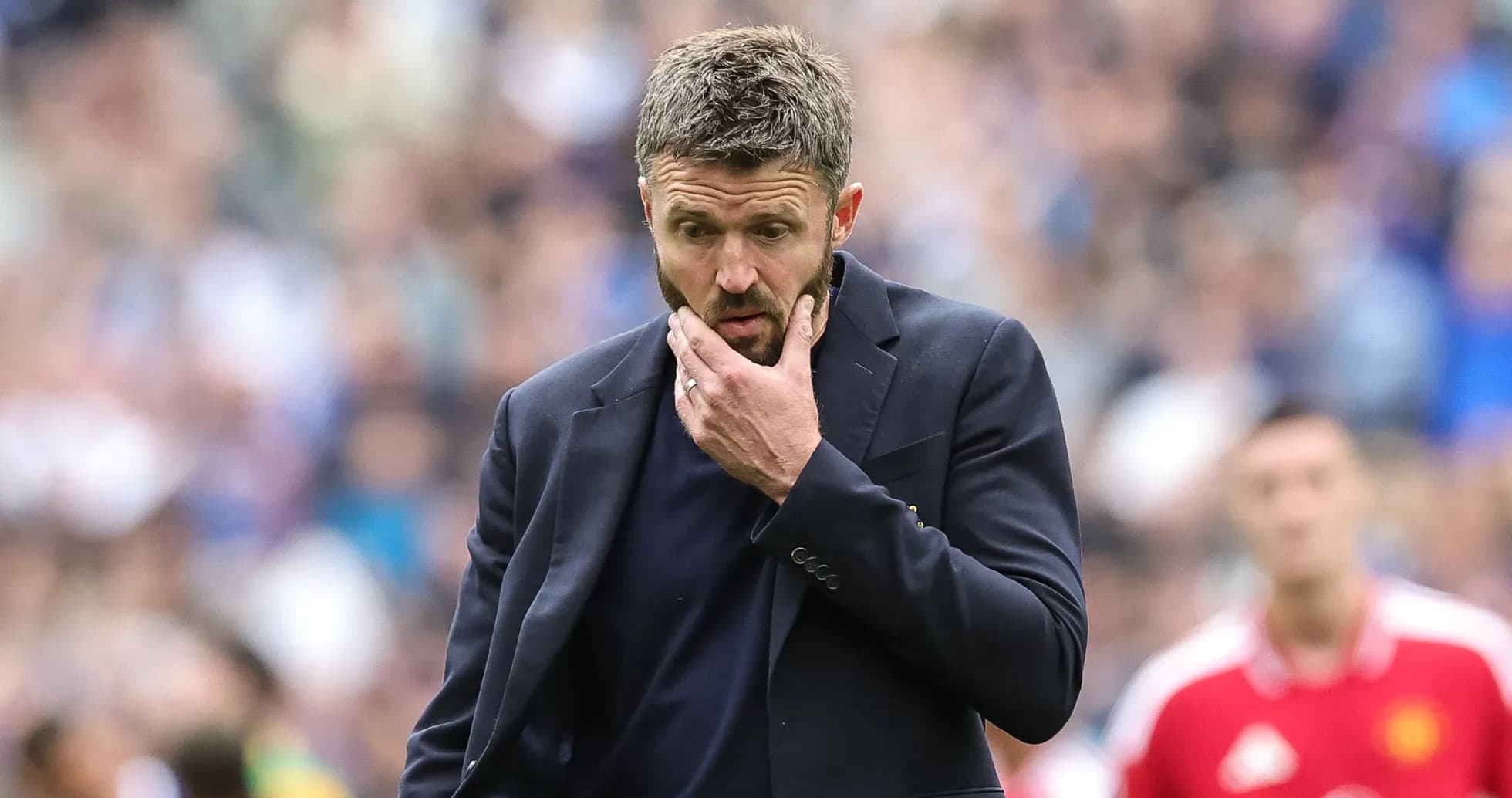
Gary Neville has seen this film before. On his podcast, the former United captain did not bother softening the edges. He went straight for the issue that, in his view, is threatening to drag Michael Carrick down the same path as Erik ten Hag and Ruben Amorim.
"Teams think they've got a chance against them," he said. That line alone cuts through the noise. United look gettable. Not ruthless. Not cold. Gettable.
Neville had sensed it even before Everton’s late surge.
"I thought they were a little bit complacent," he admitted. The first goal came, but the killer instinct never followed. United eased off, drifted, and when the equaliser finally arrived, they only then snapped back into life. Too late. The damage was done.
Defensive tinkering under the spotlight
What really jarred with Neville was not just the mentality, but the choices on the touchline. Carrick’s reshaping of his back line in the closing stages left him baffled.
United were already wobbling, already feeling the weight of Everton’s late pressure. Then came the changes at the back. Key defenders withdrawn. Structure disturbed. Pressure invited.
Neville honed in on the substitutions of Luke Shaw and Diogo Dalot, and the echoes of previous regimes were impossible for him to ignore. Constant tinkering. Defensive uncertainty. The sense that a late concession is never far away.
"I don't think it's going to go away and that's my big fear," he warned. The phrase hung there, heavy. This is not a one-off problem in his eyes; it is a pattern.
"I think conceding goals is going to chase them and hunt them down the road and I don't know how Michael deals with it because he's got his best back four on the pitch. I don't know why Shaw went off with five minutes to go – hopefully he's not injured."
Carrick accepts the problem
Carrick’s tone after the match was calm, but there was no attempt to hide from the obvious. United are not defending well enough to win games comfortably. They are not closing them out.
He praised the quality of Everton’s goals, and he had a point. Two strikes from distance, both hit cleanly, both the kind that often fly wide or drop into a goalkeeper’s arms instead of the top corner. This time, they punished United.
"Obviously, we can't ignore it. We need to concede fewer goals to give us a better chance of winning games," Carrick said. There was no dressing it up. "We'll certainly look at that and keep improving. There's obviously things we need to get better at as a team."
He went back to the nature of the goals again. "There's been two strikes from distance really, two really good strikes from their point of view. Sometimes they fly in the top corner and more often than not they probably don't. Yeah, for sure, it is [on conceding late]."
The problem for United is that the specifics of the goals don’t change the broader picture. Whether it’s a wonder strike or a scrappy tap-in, they are still finding ways to give opponents a lifeline deep into matches.
Rashford scare adds to unease
As if the defensive concerns were not enough, United left with another worry: Marcus Rashford.
The forward, sharp and lively on the left, had been one of the brighter elements of United’s display. His combination with Shaw down that flank gave Everton problems, their long-standing understanding obvious in the way they overlapped and interchanged.
Then Rashford signalled an issue and came off in the second half.
"He felt a little bit of something, so we had to change him," Carrick revealed. It was a simple line, but one that will make United’s medical team busy in the coming days.
The manager was keen to stress the positives in that partnership. "We had good connections pretty much all over the pitch at different times of the game, and Marcus and Shaw have played together for a long period of time and have a good understanding. And you can see that, they look really dangerous down that side, and there is obviously more to come."
If Rashford’s problem proves serious, that “more to come” might have to wait.
Old doubts, new pressure
Strip away the noise and what remains is a familiar accusation: United do not manage games well enough when the temperature rises.
They were cruising. They let Everton back in. They altered a back line already under strain. They conceded in stoppage time.
Neville’s warning cuts to the heart of it. He sees a defensive issue that will "hunt them down the road" unless something changes quickly. Carrick, only at the start of his tenure, now has to prove he can break a cycle that swallowed his predecessors.
The season is young, the table still tight, and there is time to correct course. But if United keep offering hope to opponents in the final minutes, how long before that time runs out?