Marseille and Athletic Bilbao: A Transfer Window of Silence
As the transfer window slammed shut across Europe, two names sat in stark isolation on the arrivals ledger: Olympique de Marseille and Athletic Bilbao. No last‑minute loans. No bargain buys. No options quietly triggered. Nothing.
In an era when even mid-table sides shuffle squads like decks of cards, that kind of silence is deafening.
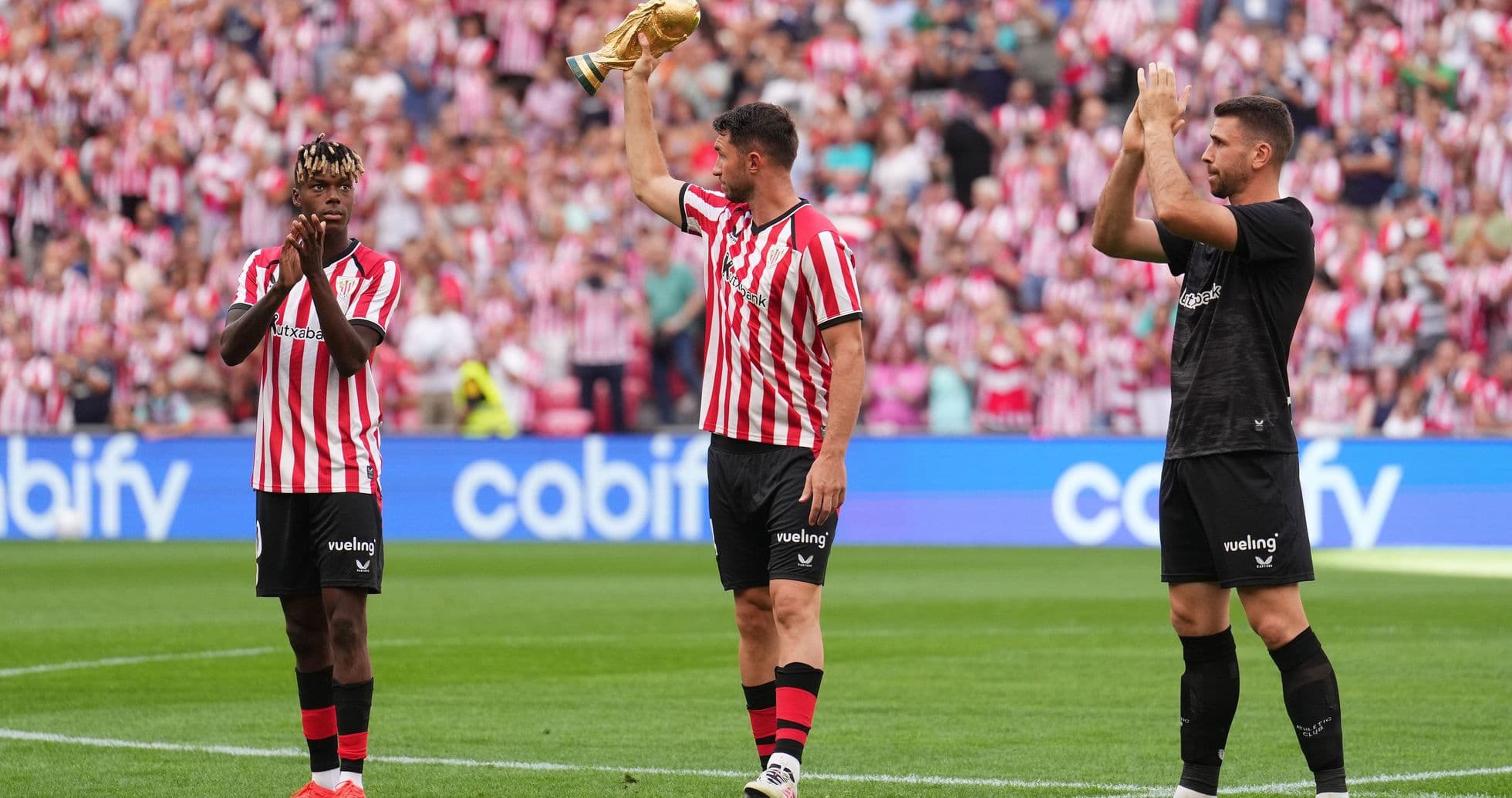
For Athletic, the stillness feels almost natural. The Basque club has long chosen a different path, building around players from its own region and academy, living and dying by a philosophy that has shaped its identity for generations. A quiet window in Bilbao is not a crisis; it is continuity.
In Marseille, it tells a very different story.
Two clubs, one statistic, opposite worlds
On paper, the numbers match: zero incoming transfers across Europe’s top five leagues. In reality, the motivations could hardly be further apart.
Athletic’s approach is deliberate. Their recruitment model is famously narrow, their faith in Lezama’s production line unwavering. A summer without signings fits the pattern. The club trusts the next wave of Basque talent to refresh the squad from within.
Marseille’s standstill, by contrast, is the symptom of strain. Severe financial constraints have gripped the Ligue 1 side all summer, turning what should have been a period of reinforcement into a long, uncomfortable exodus.
The window at the Vélodrome was defined not by who arrived, but by who walked out.
A squad stripped bare
One by one, key names departed. Mason Greenwood left for Fenerbahce. Facundo Medina took the step to Leverkusen. Quinten Timber headed to Crystal Palace, another asset moved on to balance the books.
The outflow didn’t stop there. Goalkeeper Geronimo Rulli joined Manchester City. Pierre-Emerick Aubameyang, once the marquee star in attack, departed for La Coruna. Leonardo Balerdi made the switch to Roma. Bilal Nadir and Hamed Traore also exited, further thinning a squad already stretched.
Each deal may have helped ease the financial pressure. Collectively, they carved deep holes across the pitch.
What never followed was the usual response: the rebuild. No opportunistic free transfer. No short-term loan to plug a gap. No low-cost gamble from a smaller league. Marseille simply stopped.
Marseille’s gamble
The result is a squad that looks dangerously light for the demands ahead. Domestically, Ligue 1 offers little margin for error. On the European front, the schedule will bite hard once the fixtures pile up.
Without reinforcements, the responsibility shifts sharply inwards. Coaches and recruitment staff now have to squeeze every drop of potential out of what remains: tactical tweaks, internal promotions, and a heavy reliance on youth development.
Prospects who might have been eased in gradually could be thrust into decisive roles. Versatile squad players will be asked to cover multiple positions. Leaders in the dressing room must carry an even heavier load.
The pressure will not wait. It never does in Marseille.
A test of identity and endurance
Bilbao step into the season with a familiar script: trust the academy, trust the culture, trust the model that has sustained them. Their lack of signings is a statement of who they are.
Marseille enter with a question: can a club of their stature, burdened by financial strain and stripped of key names, still impose itself at home and in Europe without a single new face?
For now, the transfer window’s silence hangs over the Vélodrome. The noise will return soon enough — from the stands, from the media, from the table itself.
The only unknown is whether this threadbare squad can withstand it.