Matias Fernandez-Pardo Joins Newcastle United: A Summer of Change
Matias Fernandez-Pardo was always supposed to be Newcastle United’s summer statement. The fact he arrived last, right on the edge of the deadline, said everything about a window that never once ran in a straight line.
Newcastle had circled the Belgian long before the market opened. He was the priority, the one they wanted to build an attack around. Yet the deal dragged, twisted, and stalled as talks with Lille veered into delicate territory. Only in the final days did the pieces finally lock into place.
By then, the story of their summer had narrowed into a stark contrast: one rapid forward coming in, one towering No 9 heading out.
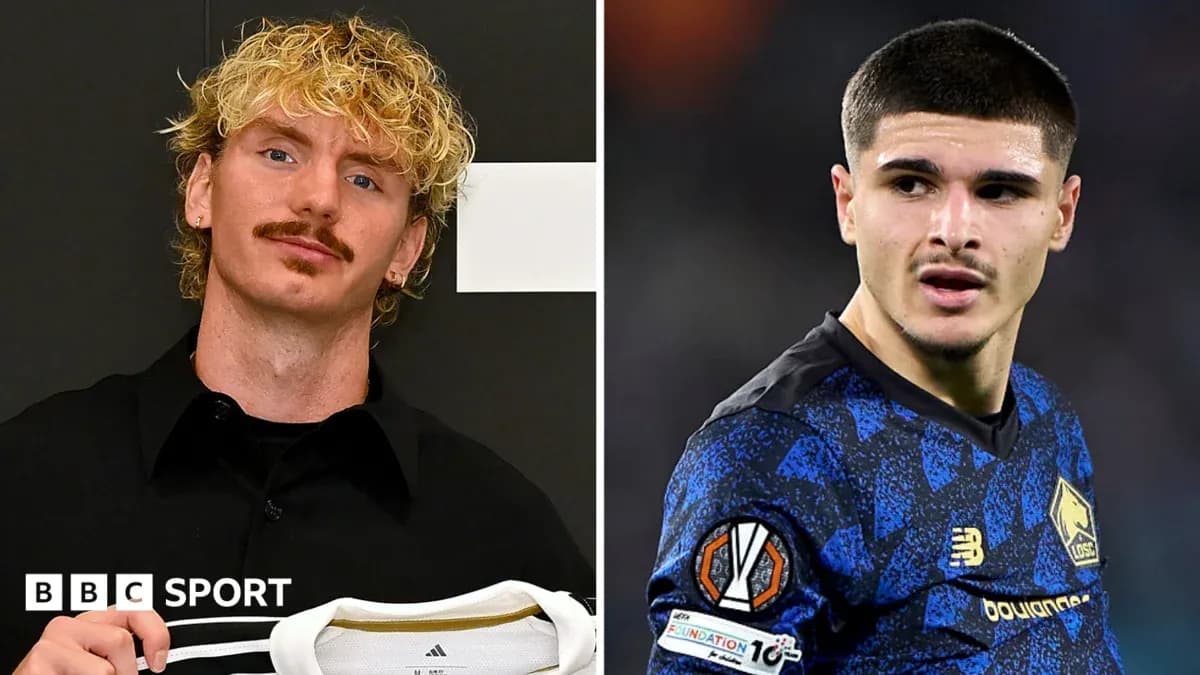
On the same afternoon Fernandez-Pardo was unveiled, Nick Woltemade was packing his bags for Turin, sealing a loan switch to Juventus just a year after breaking Newcastle’s transfer record. The German had arrived as the symbol of ambition; he left, temporarily at least, as a reminder of how quickly the landscape on Tyneside had shifted.
This was not a gentle reset. It was an overhaul.
Eddie Howe walked away in July, the architect of Newcastle’s surge back into the elite stepping down before the new campaign. Matthias Jaissle, younger, less known to the wider public, stepped in with only weeks to prepare and a squad already braced for upheaval.
Then came the exits that cut deep.
Bruno Guimaraes, the heartbeat of this Newcastle side, joined a small group of key departures that ripped out much of the team’s core. Eight new signings arrived, the club shattered its own records for both spending and sales in a single window, and the dressing room Newcastle had built over the past few seasons was suddenly unrecognisable.
The process had been signposted months earlier. Back in April, Newcastle confirmed that Kieran Trippier would leave at the end of his contract. At 34, his best years were behind him, but his influence inside the club was enormous. Losing him was never going to be just a line on a squad list.
"It was emotional for me, of course, because I loved the club so much and Newcastle gave me so much in return," Trippier reflected later, after his move to Wolves. He talked about leaving the right way, about respect for team-mates, the club, and supporters he still feels close to. It sounded like a man closing a cherished chapter, not slamming a door.
Anthony Gordon’s move to Barcelona and Sandro Tonali’s switch to Tottenham did not land with the same shock. Those deals made financial sense, the kind of sales that allow a club to stay within the game’s economic rules and reinvest.
Guimaraes was different.
Inside the club, nobody had seriously contemplated losing him. He had dragged Newcastle through difficult spells before, driving them on when legs and minds were tired. Yet even he reached his limit. On the final day of last season at Fulham, the Brazilian slumped to the turf, untying his boots before the physio even reached him, staring at the bench and signalling that he was done.
It was a snapshot of a bruised campaign. Newcastle finished 12th, miles off internal projections and without the European revenue that had been pencilled into the future. The idea of Guimaraes signing a new contract evaporated quickly. Within weeks, he was gone, a £75m signing for Arsenal and the fourth major departure in less than a year, following Alexander Isak’s unwanted move to Liverpool the previous summer.
The hits kept coming. Top targets Victor Munoz and Johan Manzambi chose Liverpool and Aston Villa instead, forcing Newcastle to rip up carefully drawn plans and redraw them on the fly.
Inside the club, the message stayed consistent: judge the window when it closes, not while the ground is still shifting.
"Just because one element doesn't go the way you want doesn't mean you abandon the plan," a senior figure said. The tone was firm, not defiant. "We stayed on target, stayed focused, stayed calm and moved on. We didn't do a whole lot of mourning or crying when we had a setback. We pivoted to what's next."
What came next, in the final fortnight, might yet define Jaissle’s first season.
Amar Dedic arrived to reinforce the defence. Nico Gonzalez came in to add energy and balance in midfield. And finally, Fernandez-Pardo, the forward Newcastle had chased all summer, walked through the door.
On the terraces, the mood began to turn.
Season-ticket holder Adam Widdrington felt it from his seat. He watched Newcastle scrap to a 2-2 draw against Liverpool and then impose themselves in a 2-0 win at Tottenham Hotspur, and he sensed the story changing.
"Plenty of pundits and other fans had Newcastle earmarked for relegation," he said. "They said, 'Who's the manager? Never heard of him. Who are these young players? You have lost a load of players'."
The fear was real. So was the scepticism.
"I still wouldn't class it as a great transfer window, but I think it's a good one, especially given the context of where it looked like Newcastle were heading in that Bruno dip," Widdrington added. "At that point, it didn't feel like there was so much to inspire the fans, but the last three signings shifted opinion a lot."
Fernandez-Pardo fits the new Newcastle in a way Woltemade never quite did. Jaissle wants intensity, pace, relentless running. On the opening weekend of the Premier League season, Newcastle recorded 138 sprints, more than any other side. That number tells you as much about the manager’s vision as any tactical diagram.
The head coach has already highlighted Fernandez-Pardo’s "explosiveness". That raw burst, that ability to stretch a back line in an instant, is precisely what Newcastle lacked at times, even when Woltemade was performing well a year ago. The German’s effort was never in doubt; his profile simply pointed in a different direction.
Now the emphasis is clear. Youth. Speed. Aggression. A squad that might wobble at times, but will not die wondering.
Fernandez-Pardo is only 21. He will make mistakes, he will have quiet afternoons, he will be targeted and tested in a league that does not give young forwards much room to breathe. The same applies to a squad still learning Jaissle’s demands on the fly.
What they will not be short of is conviction.
"We always have hope and belief," Jaissle said before a ball had been kicked this season. "No one can take that away from us."
After a summer that tore up the old order on Tyneside, that hope now rests on a new generation running into space, rather than looking back at what used to be.