Max Kruse Critiques Joshua Kimmich's Leadership in German Football
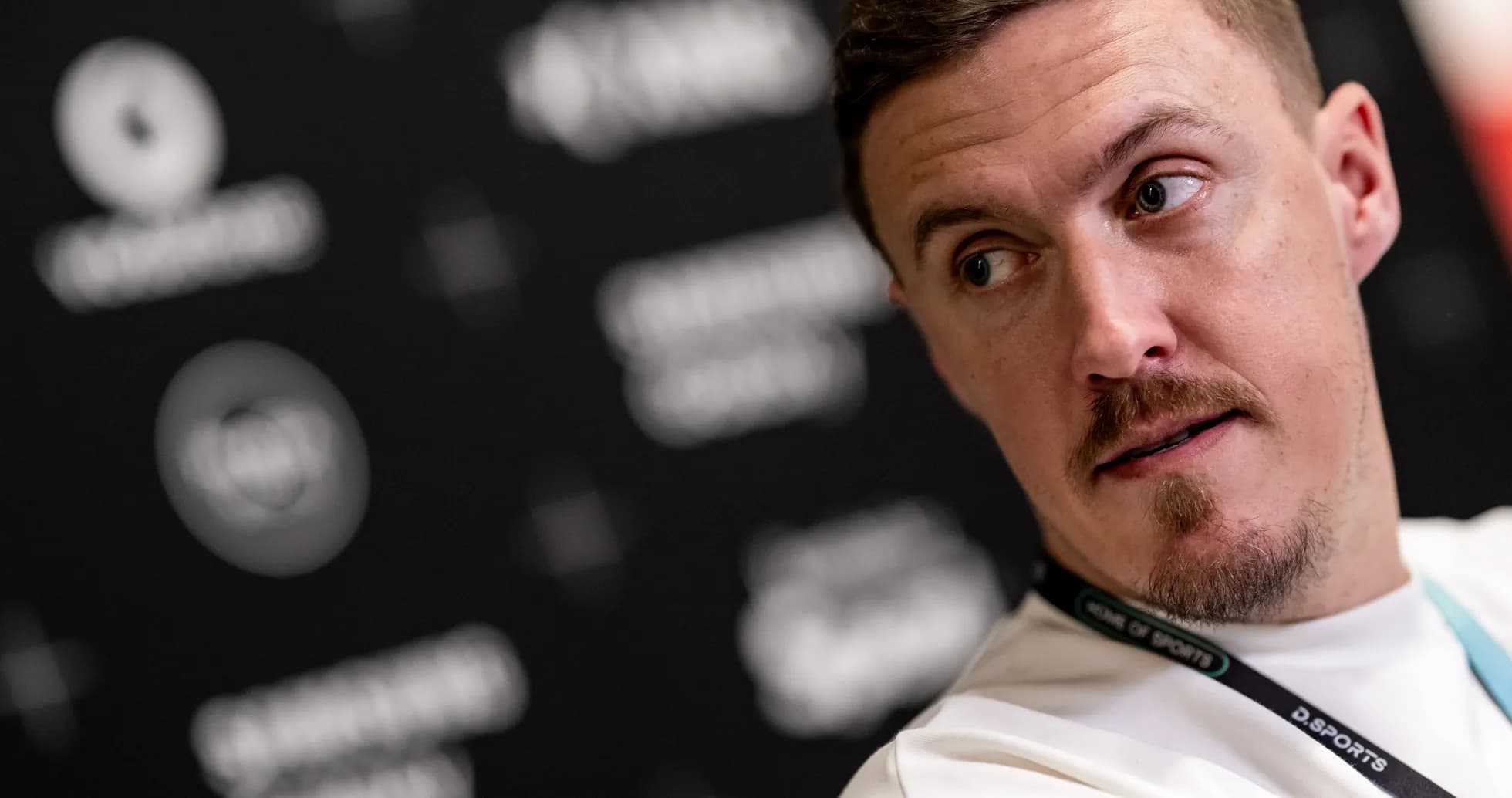
Max Kruse has never been shy about saying what others only whisper. At 38, the former Germany international has taken direct aim at the heart of Jürgen Klopp’s new era – and at the man wearing the armband at Bayern Munich.
For Kruse, the problem is not tactics. It is personality.
He looks at Klopp’s XXL squad of 44 players and sees a group stripped of edge, of the kind of abrasive, confrontational figures who once dragged the national team through difficult nights. In his eyes, the DFB setup has been polished to a shine – and lost something vital in the process.
“The DFB squad lacks distinctive characters, because everything has been smoothed out,” is his blunt assessment. No frills. No softening.
Joshua Kimmich, the player so often hailed as the natural leader of his generation, sits at the centre of the debate. Kruse does not buy it.
“For me, Joshua Kimmich is not a leader player either, despite the armband at Bayern,” the 14-cap international stated, before laying out his own definition of what true authority on the pitch looks like. Leadership, he argued, cannot be reduced to a piece of fabric on the arm or a few hard tackles. It must go far deeper than that.
“Leadership is not shown only through the captain's armband and hard challenges, leadership is so much more. For me, Kimmich is not the right man for that,” he said, drawing a clear line between status and substance.
Kruse’s criticism leans on a much-discussed thesis previously pushed by former national team manager Oliver Bierhoff: that German football has produced fewer rough diamonds and more carefully managed professionals, players less inclined to challenge, confront and take responsibility in the rawest moments.
Klopp, though, sees things differently – especially when it comes to Kimmich.
While the public argument swirls, the new national coach has nailed his colours firmly to the midfielder. For Klopp, Kimmich is not just part of the leadership group. He is central to it. And crucially, he will be used where he feels strongest.
At the World Cup, necessity forced Kimmich into the right-back role, a position he knows well but no longer loves. That compromise is over.
“We see him as a midfielder,” Klopp made clear. “We have not had a single conversation in which we spoke about him as a right-back.”
That is a statement of intent as much as a tactical note. Kimmich will stand in the middle of the pitch again, where the game breathes and where leaders cannot hide.
Klopp, though, is not handing out free passes. His backing comes with a sharp edge, a challenge directed at his captain and the rest of the squad.
“Stability only comes from the defence, from how you work defensively – and for that I need every single one. The point now is that we commit ourselves to that. That applies to Jo just as it does to everyone else,” he underlined when announcing his squad.
There it is: the demand. Defensive work as a collective pact, not a slogan. Kimmich, restored to his preferred role, will be judged on how he embodies that standard.
So the fault line is clear. On one side, Kruse and those who see a generation too smooth, too carefully shaped, lacking the snarling personalities of old. On the other, Klopp, betting that Kimmich can be the heartbeat of a new Germany from the centre of the pitch.
The armband alone will not settle that argument. The coming games will.