Michael Carrick Faces Crisis at Manchester United
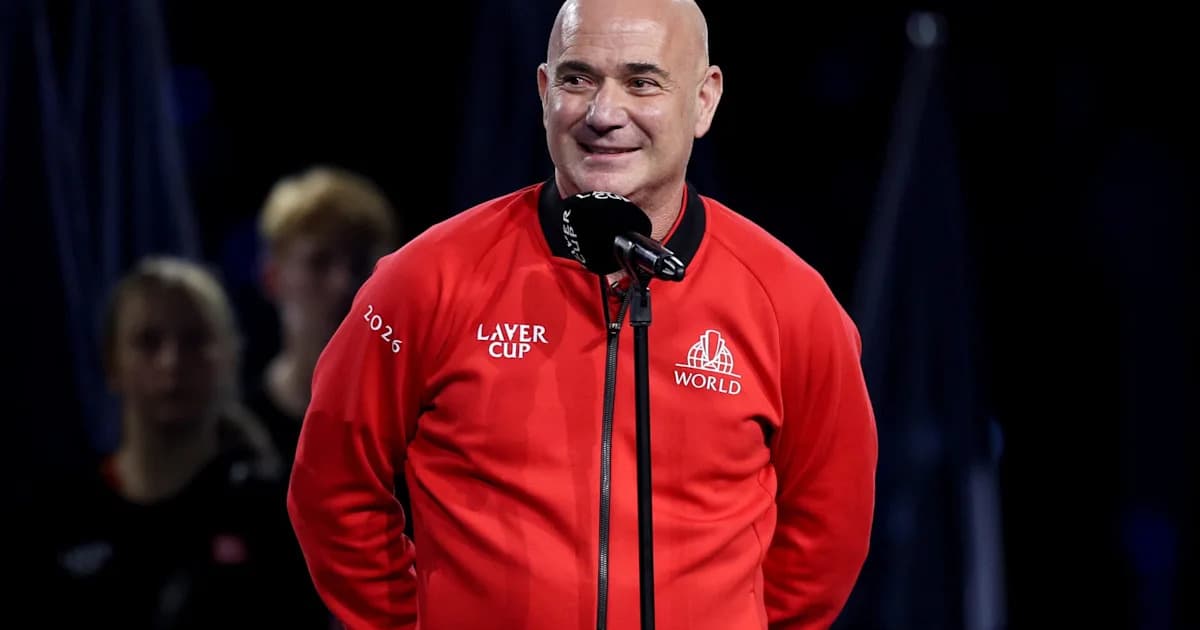
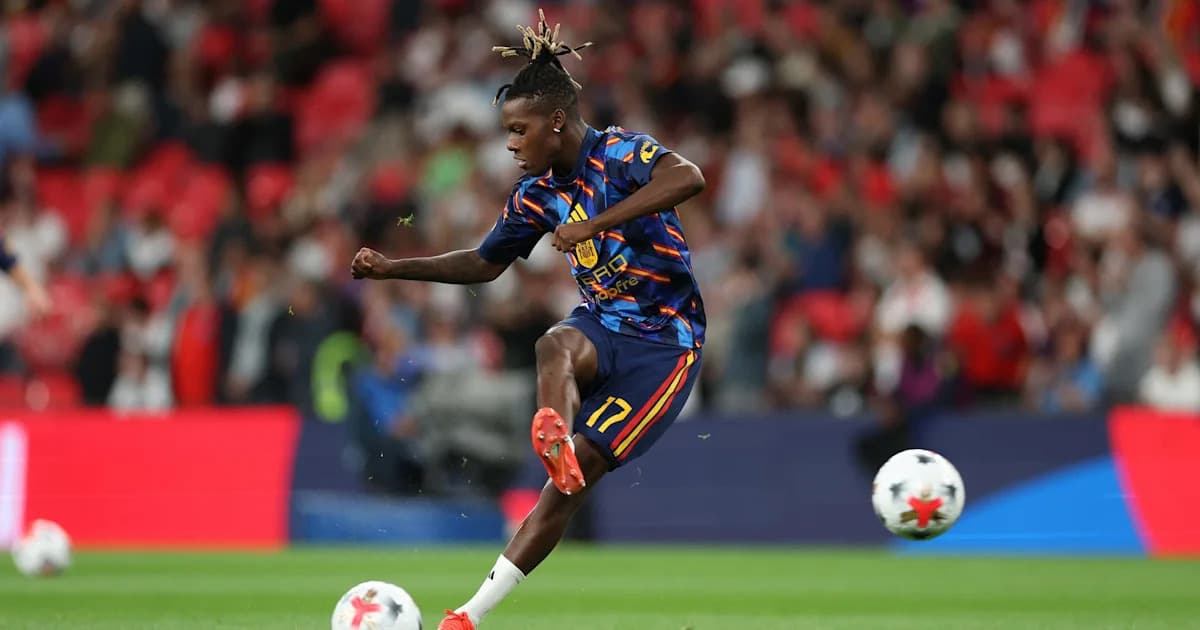
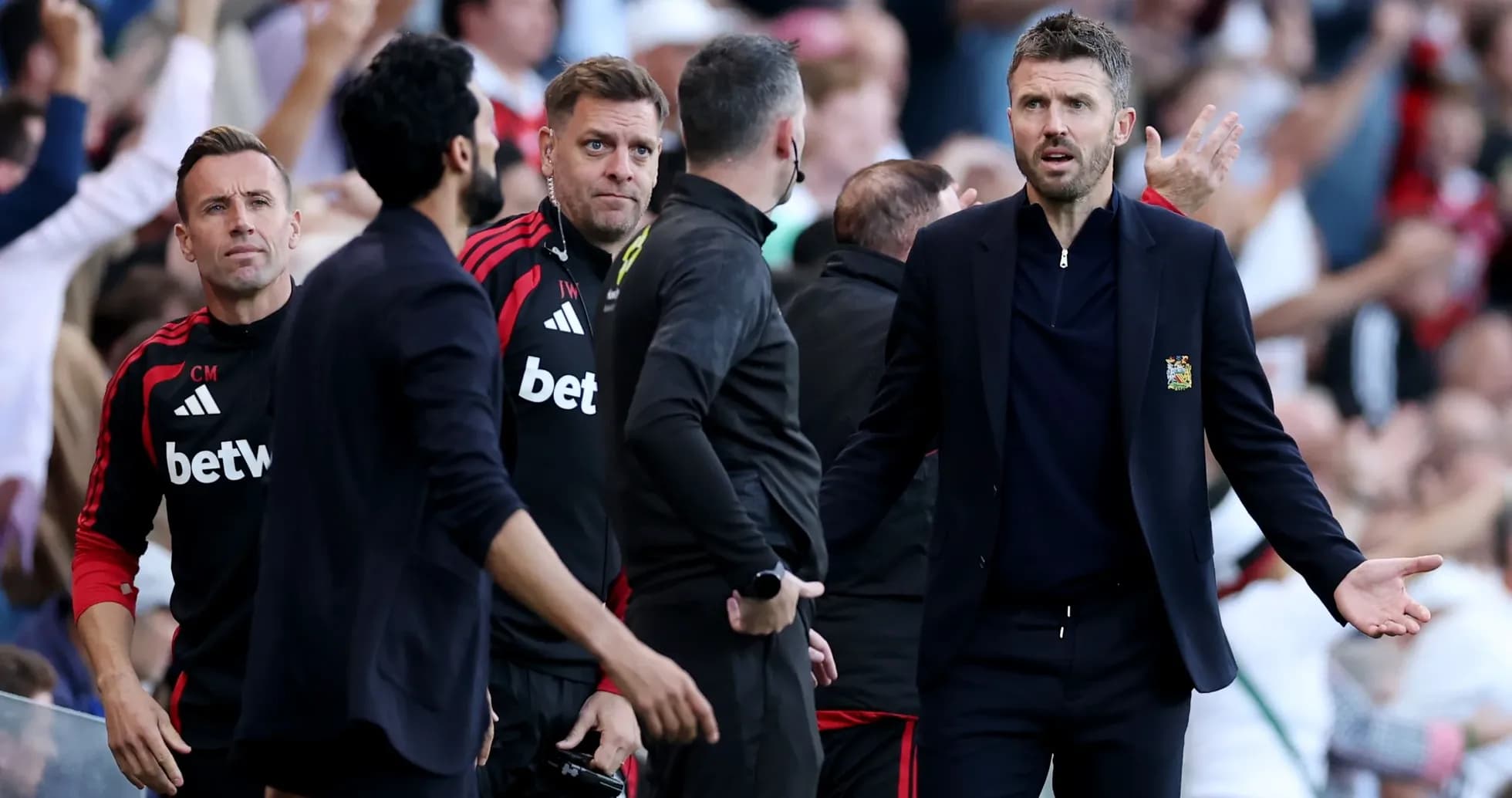
The boos told the story before the whistle did. As Kobbie Mainoo trudged off in the 90th minute against Fulham, Old Trafford turned on Michael Carrick. Barely a month into the new campaign, the homecoming of the former midfielder has veered from romantic return to full-blown crisis.
United have already dropped as many points as they did in the whole of last season. Two wins in seven. The numbers are bleak, but it is the manner of the slide that has exposed a manager on the brink.
A Line-Up That Tore Up Its Own Identity
Carrick’s problems start on the teamsheet.
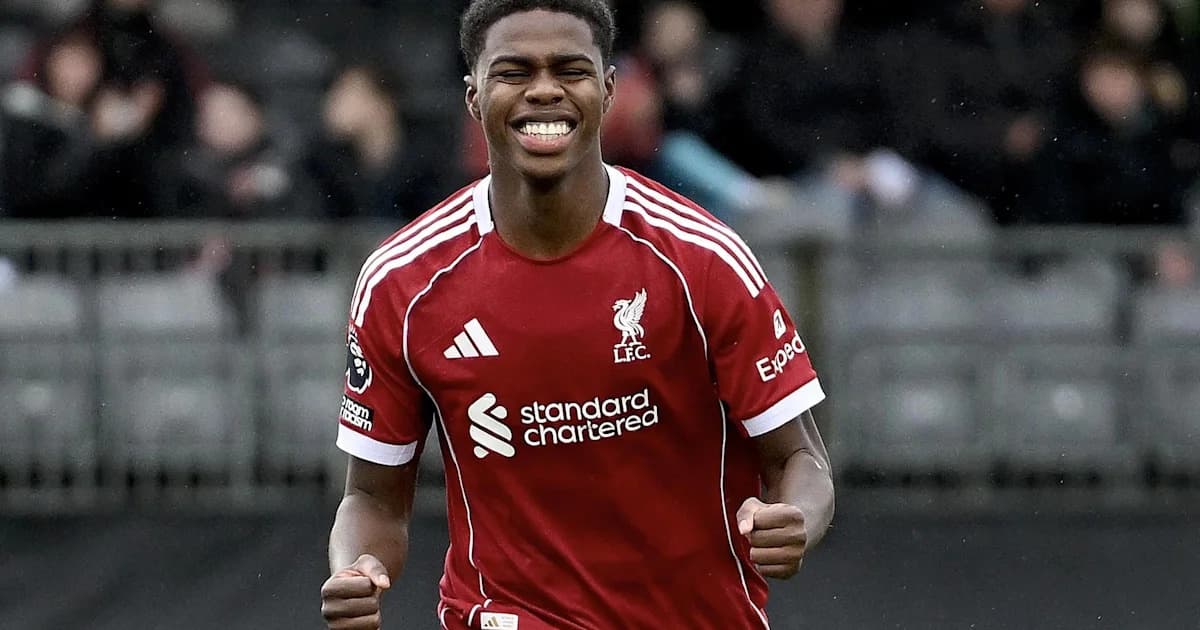
Handing a start to 19-year-old Ayden Heaven against Hull City was not bold. It was reckless. The youngster had not started in the Premier League since the opening day on 22 August, yet he was thrown in simply because he is left-footed and Lisandro Martinez was unavailable. Heaven was asked to handle a bruising striker like Oli McBurnie, while more seasoned options such as Noussair Mazraoui and Diogo Dalot watched on.
It was a mismatch. And it was avoidable.
On the left wing, Carrick had three options. He picked Patrick Dorgu – the least convincing of them – despite a full preparation period. Dorgu lasted 45 minutes before being hooked. By then the damage to United’s attacking balance had already begun.
The reshuffle rippled through the front line. Matheus Cunha, devastating from the left last season under Carrick and a regular scorer from that channel, was pushed into the centre and lost his edge. Bryan Mbeumo, who had been clinical through the middle, was shunted out to the right wing. Two in-form forwards, both blunted by a single decision.
The pattern continued. Against Ipswich, Everton and Fulham – a win, a draw and a defeat – Carrick clung to the same starting XI. The most alarming constant was the back four: Dalot, Harry Maguire, Martinez and Luke Shaw. The very unit that collapsed 4-0 at Brentford in August 2022, in what many still regard as United’s worst Premier League performance. That defence has already leaked five goals in four matches this season. Old scars, reopened.
Tactical Missteps at the Worst Possible Moments
If the line-ups looked questionable, the in-game management has been brutal.
United led Everton 1-0 when Carrick removed Marcus Rashford, explaining that the forward “felt something”, and brought on Dorgu. The switch drained belief from United and injected it straight into Everton. Sean Dyche’s side responded by introducing Jack Grealish, who promptly found the equaliser. The message from the touchline had been clear: United were nervous, and Everton sensed it.
Shaw then created Benjamin Sesko’s goal in the 88th minute. United had the lead and the momentum. Carrick reacted by taking off both full-backs, Shaw and Dalot, and bringing on Leny Yoro and Mazraoui. The move backfired instantly. Yoro tucked in too narrow, leaving Grealish free to operate in the half-space. Mazraoui hesitated at the crucial moment, and Ainsley Maitland-Niles punished the uncertainty with a 95th-minute equaliser. Two points thrown away by a late, panicked reshuffle.
The derby against City offered another chance to reset. It instead underlined the confusion. When Phil Foden was sent off in the 23rd minute, Carrick had 22 minutes before half-time to reshape his side. Sesko was warming up. The Stretford End roared for him. Carrick waited.
By the time Sesko finally came on, 19 minutes into the second half, Erling Haaland had already scored what proved to be the winner. United, chasing the game against ten men, then moved in the wrong direction. Cunha dropped deeper. Bruno Fernandes dropped even further into midfield. Their most dangerous playmaker was pulled away from City’s box just when United needed incision around it. They did not fashion a single meaningful chance until the 95th minute. By then, it was all theatre and no threat.
Brighton, Rotation and a Night That Fell Apart
Brighton’s visits to Old Trafford have become an annual ordeal. Four straight wins for the visitors. This was not the fixture to experiment with.
Carrick made eight changes on the cup night and even named a 15-year-old on the bench. It looked like a gamble on freshness. It played out like an open invitation to chaos.
In front of goalkeeper Karl Darlow, making his first appearance, Carrick lined up Yoro and Heaven. The inexperienced trio crumbled together. All three were involved in the concession of three goals as Brighton came back from 0-2 down to win. No team had overturned that deficit at Old Trafford in this competition since Tottenham in 1976. Brighton walked into the history books. United stumbled into another inquest.
Clinging to Names That No Longer Deliver
Selection loyalty has morphed into stubbornness.
Joshua Zirkzee offered a glimpse of something under Ruben Amorim, scoring twice in the Portuguese coach’s first win in December 2024. That early promise faded quickly. Since then, he has managed only two league goals, and the club were open to selling him in the summer when Everton made contact.
Yet in the midst of this crisis, Zirkzee has featured in three consecutive league defeats without leaving a mark. At a time when Carrick needed imagination, he turned back to a forward the club had already been prepared to move on.
The pattern is impossible to ignore: risky line-ups, timid changes, misplaced faith. Old Trafford has seen managers unravel before. The question now is whether Carrick can stop this slide before the decision is taken out of his hands.