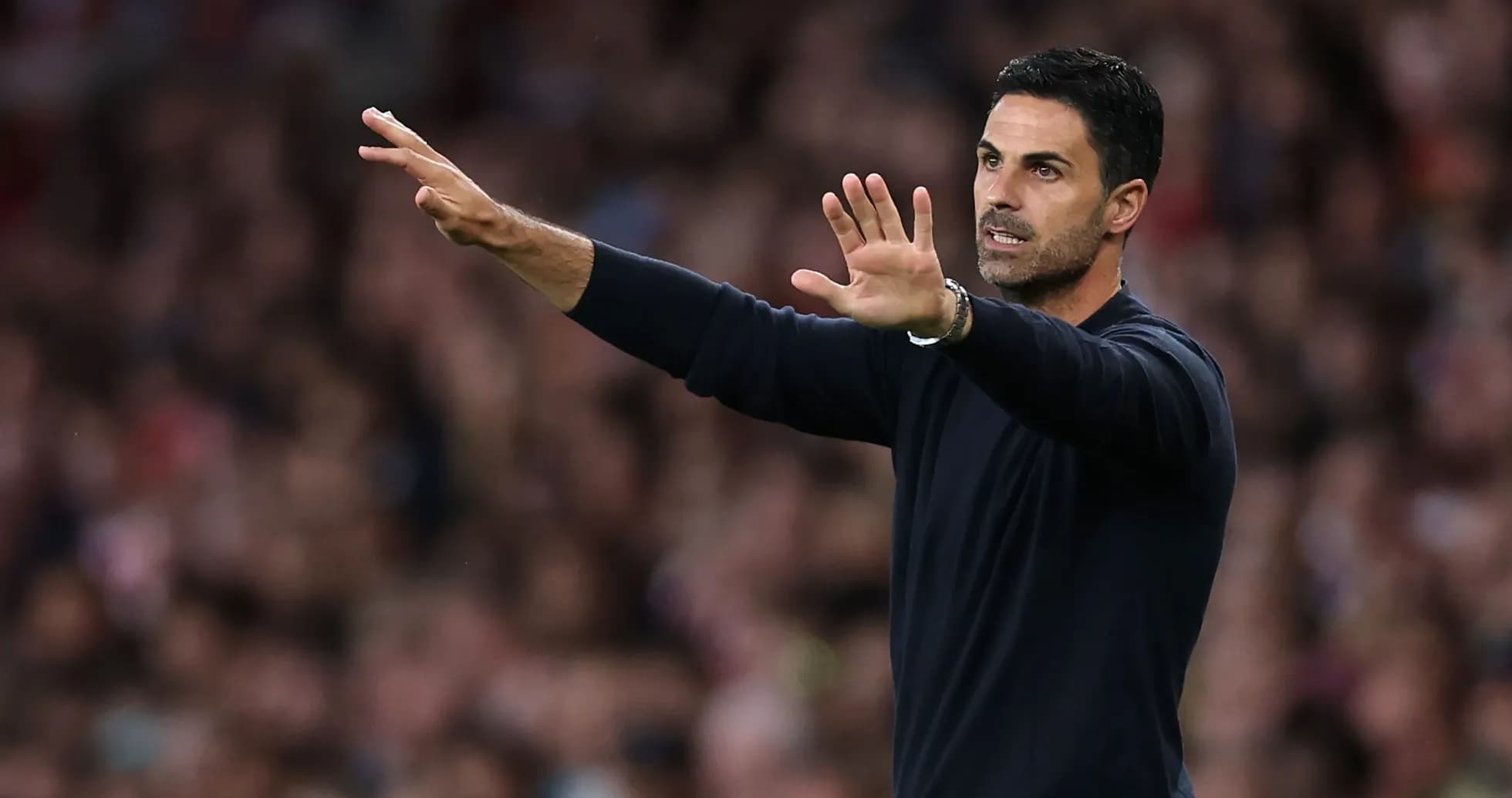
Mikel Arteta Urges Premier League to Expand Matchday Squads
Mikel Arteta is tired of leaving good footballers at home.
On the eve of Arsenal’s clash with Aston Villa, the Spaniard pushed his long-running argument to the forefront again, urging the Premier League to act now and expand matchday squads in the name of player welfare.
At present, managers can name nine substitutes, an increase from the pre-pandemic limit of seven. For Arteta, that is no longer enough for a modern elite side juggling domestic and international demands.
He wants more. And he wants it immediately.
Arteta’s breaking point
This is not a theoretical debate for him. It is personal and practical.
Across this season, Arteta has had to omit major names such as Gabriel Martinelli and Gabriel Jesus from his matchday group altogether. Not from the starting XI. Not from the bench. From the squad.
He believes that scenario creates unnecessary tension and avoidable problems inside a dressing room already operating at full emotional stretch.
“That is why I have been begging Premier League officials to extend those numbers just for the safety of the players, which is the most important thing,” Arteta said, making clear this is, in his eyes, a welfare issue rather than a tactical luxury.
He underlined the scale of the modern workload. “I think every team needs more than 20 players on the pitch, ideally, to maintain the level of demand in the international matches we face, but these are the rules, and within these rules, we have to play,” he continued.
The message is blunt: the game has moved on; the regulations have not.
Human cost of a numbers game
Arteta’s frustration does not stop at the training ground board with magnets and markers. It runs into the human side of management, the conversations behind closed doors with players who feel exiled on a matchday.
“We need to be very close to the players to explain those situations in the right way, so that everyone feels their importance, because they will indeed be important,” he said.
Those explanations wear him down. He calls them “difficult” talks, the kind that cut into the bond between coach and squad member. These are players who want to travel, to warm up, to be in the dressing room, not sit on a sofa watching their teammates on television.
“The question should be put to the players more than anyone else,” Arteta added. “What do they want? If they say: no, I would rather stay at home, then we will have a problem because they will not like what they are doing.”
He has no doubt what the answer would be. “I am sure that if you ask the players, everyone would want to be part of the team on matchday, otherwise you would have to tell one of them that he is not even part of the matchday squad. That is extremely hard. And it will not benefit anyone.”
In his view, a simple numbers cap is creating an unnecessary divide: those in the stadium and those left behind.
A “simple solution” to a real problem
Arteta argues that the impact stretches beyond feelings. He believes the current rules damage clubs, skew player assessment and erode the sense of collective responsibility.
“This does not benefit the club, nor does it benefit the assessment of the player, nor does it help them feel part of it,” he said. “In my opinion, it is a real problem and it has a very simple solution.”
For him, that solution is straightforward: allow bigger benches, allow everyone fit and available to be involved, and relieve managers of the weekly ritual of telling senior professionals they are not even allowed in the stadium in an official capacity.
As Arsenal prepare to face Aston Villa with a deep, competitive squad, the irony is clear. The stronger his team becomes, the more players he must cut adrift on matchday.
Arteta has made his plea. The question now sits with the Premier League: will they move with the modern game, or leave managers to keep knocking on a locked door?