Miles McBride Trade Proposal: Knicks and Pelicans Swap
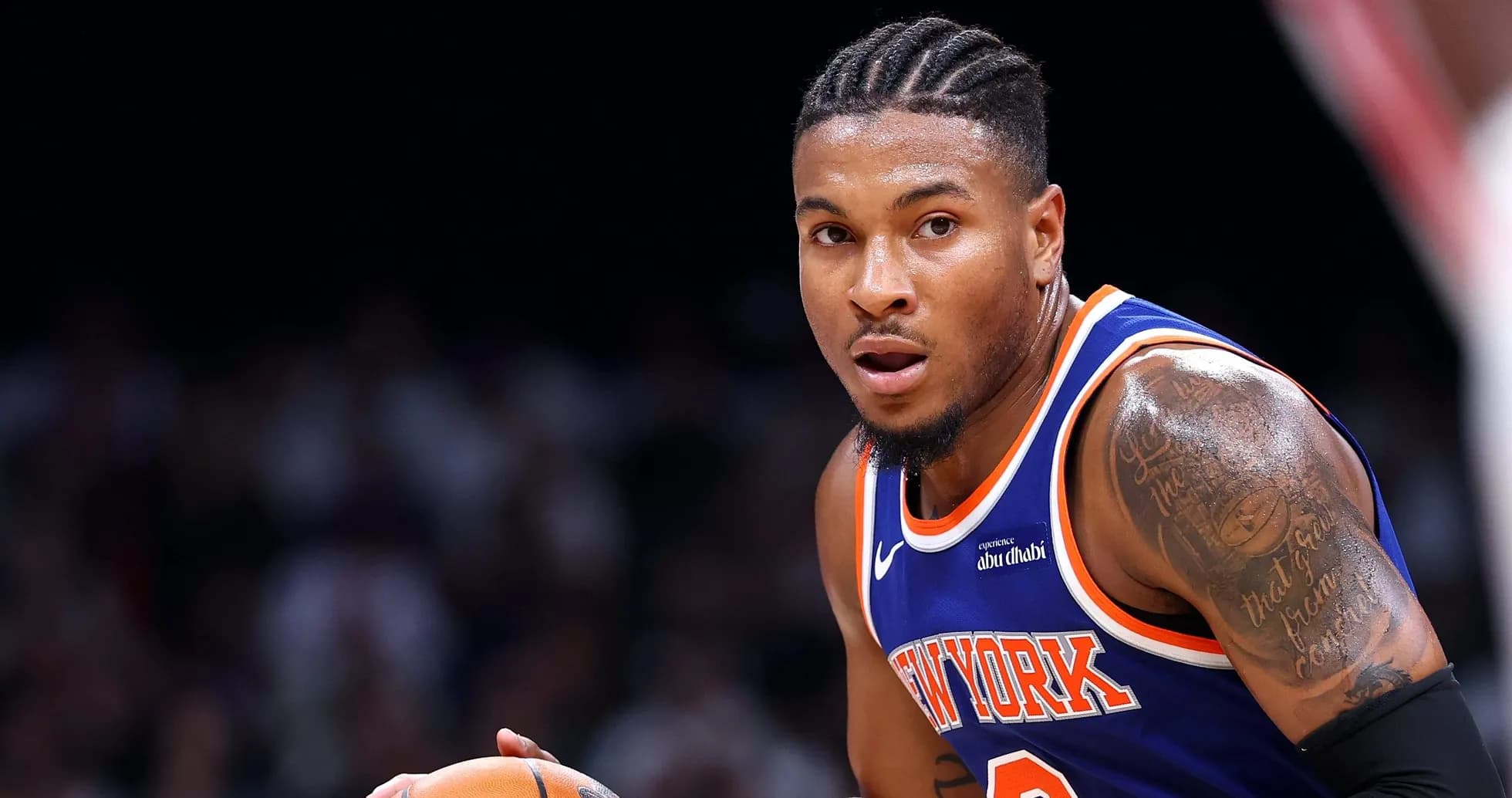
The clock is ticking on Miles McBride’s time in New York, and everyone around the league seems to know it.
With the February trade deadline looming and free agency on the horizon, the 25-year-old guard is barreling toward a payday the Knicks are unlikely to match. After already letting Mitchell Robinson walk to dodge the NBA’s dreaded second apron, New York is staring at another tough call on a homegrown favorite whose value has outgrown their balance sheet.
Out of that tension comes a clean, almost too-neat solution: flip McBride for Yves Missi.
A Trade That Fits the CBA — and the Timeline
The framework is simple:
- Knicks receive: Yves Missi
- Pelicans receive: Miles McBride (via TPE)
On the cap sheet, it’s pristine. New Orleans would slide McBride into the $4.5 million trade exception created in the Jose Alvarado deal. The Knicks, in turn, would bring in Missi on his rookie-scale contract and stay clear of the second apron they’ve been carefully tiptoeing around.
Financially, it works. From a basketball standpoint, it’s a lot more interesting.
Why New York Would Pull the Trigger
This isn’t a new crush. The Knicks pushed hard for Missi before last season’s February deadline, with some around the league labeling him a “dream” target for the Leon Rose front office. New Orleans held firm then, keeping the 22-year-old Cameroonian big. Circumstances have changed.
Mitchell Robinson is gone. The Knicks’ margin for error in the frontcourt has gone with him. They need size, rim protection, and glass-eating in a hurry.
Missi checks those boxes. In his first two seasons with the Pelicans, the third-year center averaged 10.9 rebounds and 2.2 blocks per 36 minutes, numbers that hint at a ceiling far higher than his current role. He’s young, bouncy, and still learning — exactly the type of upside play you want on a rookie deal when you’re threading the needle between contention and cap restraint.
The cost, though, is real.
McBride has been, arguably, New York’s best bench player over the past three seasons. He defends, hits big shots, and plays with a relentless edge that fits the Knicks’ identity. Losing that kind of presence hurts any locker room, especially one with playoff expectations.
But the backcourt picture in New York is getting crowded. Landry Shamet’s postseason surge gave the Knicks another trusted option in the rotation. Jordan Clarkson’s decision to re-sign added a proven scorer and ball-handler back into the mix. Tyler Kolek, entering his third year, is expected to see more minutes and responsibility.
That’s a lot of mouths to feed. At some point, someone gets squeezed. McBride’s expiring $3.9 million deal, combined with his age and production, makes him exactly the kind of asset rival teams circle. For the Knicks, that also makes him the kind of player you move a year early rather than lose for nothing.
Missi, in that context, isn’t just a luxury. He’s a potential foundational piece in an area of need, on a contract that keeps the books flexible.
Why New Orleans Would Let Missi Go
If the Knicks are chasing fit and finances, the Pelicans are staring at a different problem: choice.
Derik Queen is the future in the middle for New Orleans. The organization has treated him like it. Missi, who started 67 games as a rookie, watched his minutes evaporate in his second season as the Pelicans reshaped the rotation to clear the runway for Queen.
The cost of that decision hasn’t just been statistical. It’s been emotional.
Back in January, ClutchPoints’ Brett Siegel reported that Missi and his camp were unhappy with his reduced role: “The 21-year-old big man and his camp feel disrespected by the Pelicans for his major decrease in minutes, and tension has formed between the two sides, sources say.”
That kind of strain doesn’t just disappear. At some point, New Orleans has to stop trying to split the difference and fully commit to Queen as the undisputed center of the future.
If that’s the path, Missi becomes more than a luxury — he becomes leverage.
Turning a discontented young big into a guard like McBride could be a sharp piece of business. At 25, McBride fits the Pelicans’ youth movement but brings enough experience to stabilize a backcourt rotation that leans heavily on Dejounte Murray and Jeremiah Fears.
McBride can run a second unit, pressure the ball at the point of attack, and slide into lineups alongside Murray or Fears as a combo guard. His ability to hit big shots and guard multiple positions gives New Orleans lineup versatility they don’t currently have in abundance.
Missi’s ceiling may be intriguing, but Queen’s is higher and carries star potential. If the Pelicans believe that, the logic is unforgiving: you move the player who doesn’t have a clear path to the starting job and add a guard who can help now and grow with the core.
A Clean Deal With Complicated Ripples
On paper, this trade is almost too tidy. The money fits. The roles make sense. The timelines align.
For New York, it’s a calculated gamble on a young big who might anchor their interior for years, at the cost of a beloved and increasingly expensive guard. For New Orleans, it’s a firm declaration that Derik Queen is their center, with McBride stepping in as a tough, versatile guard who can steady the backcourt.
The question isn’t whether the deal works.
It’s which front office is brave enough to admit what their roster is really telling them — and act before someone else does.