
The Dual Lives of Mixed Martial Arts: Inside the Cage and Online
Mixed martial arts has always lived two lives.
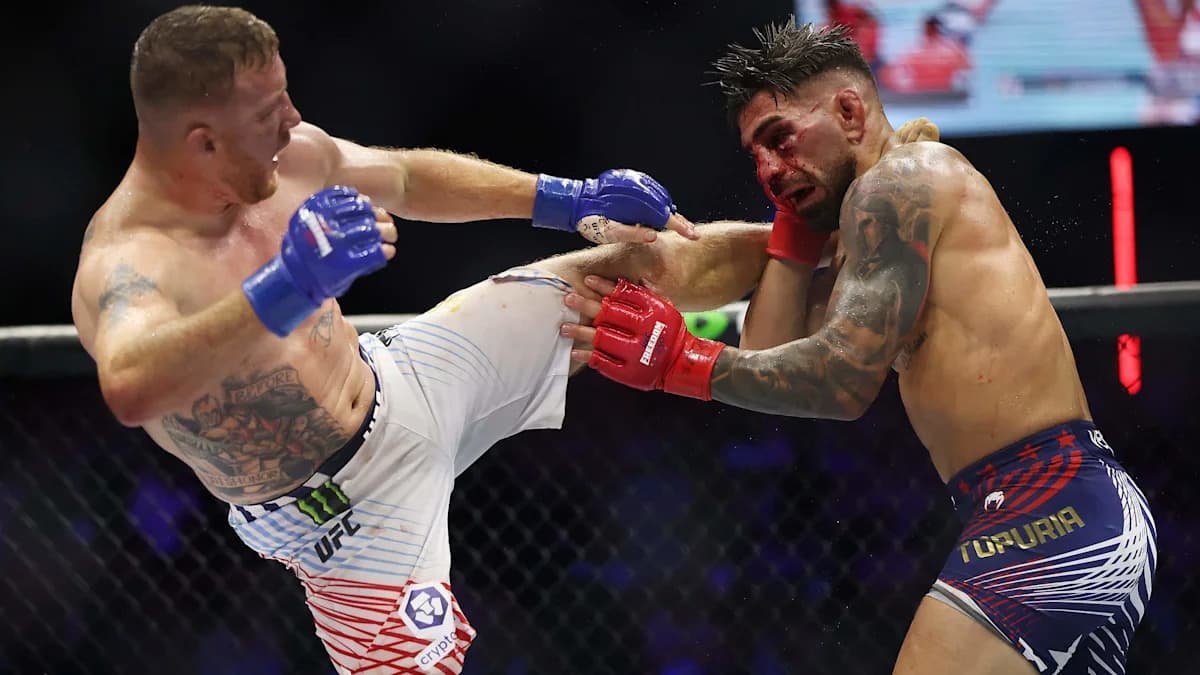
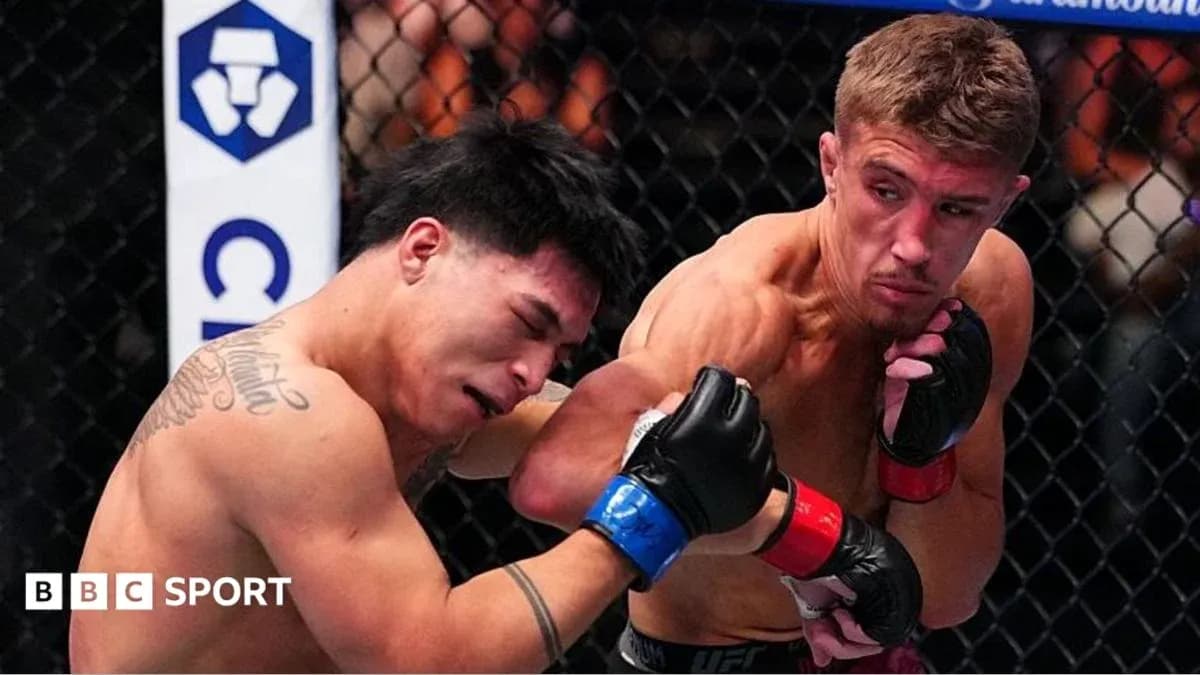
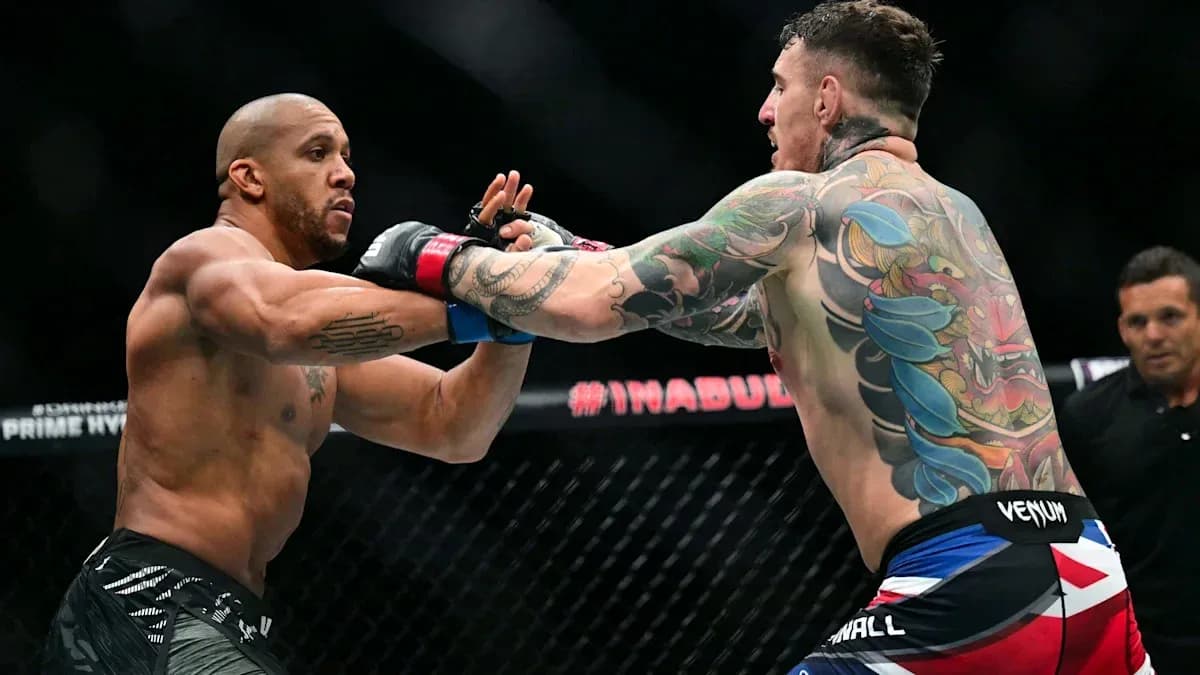
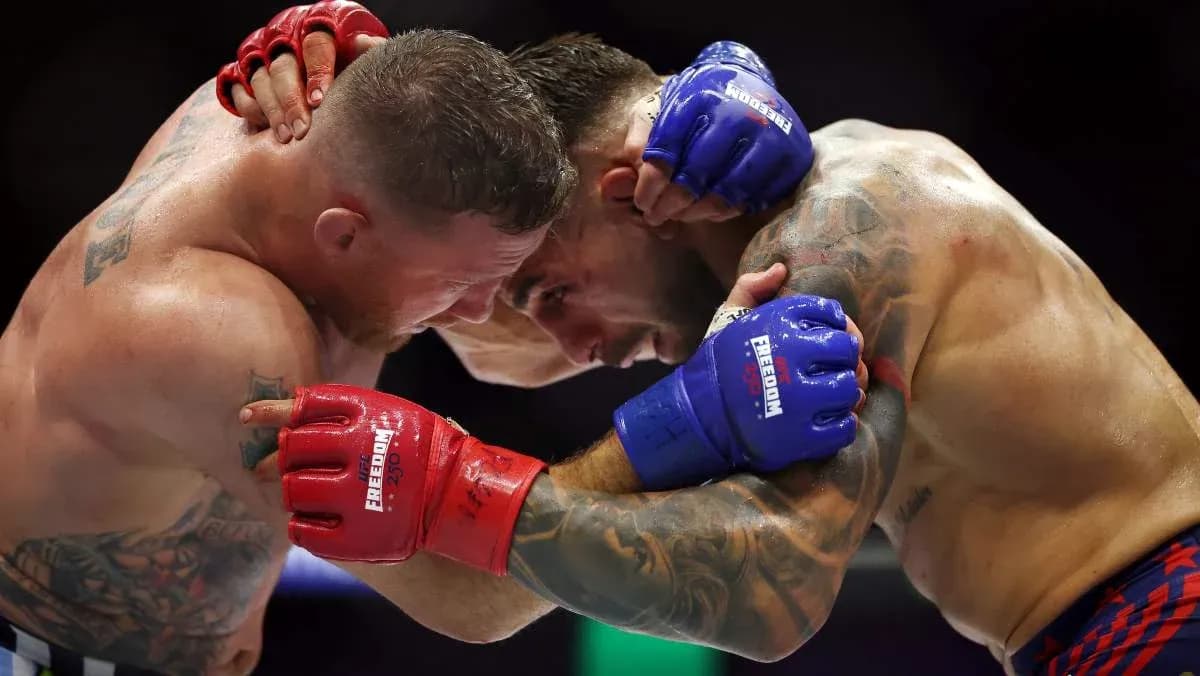
One plays out under the bright lights – walkouts, weigh-ins, the thud of leather on bone. The other runs in real time on screens around the world, where fighters unlace the gloves, pick up their phones and show the bruised, unfiltered side of the sport.
From the days when MMA scraped for attention on niche forums and grainy message boards, the digital back-and-forth has been its heartbeat. As the sport grew into arenas and global broadcasts, that online pulse only got louder. X, Facebook and Instagram turned into an endless post-fight corridor, where athletes walk past fans, rivals and friends with a swipe of the thumb instead of a nod in the tunnel.
That was the scene again after UFC Fight Night 287 in Paris.
The card ended, the crowd filtered out of the Accor Arena, and the conversation simply moved platforms. Winning fighters logged on with adrenaline still humming, posting celebrations, gratitude and the usual mix of relief and ambition. Coaches broke down performances in a few clipped lines. Training partners shared behind-the-scenes photos that never make the broadcast. Family members added the emotional layer that cameras often miss – the weeks of worry, the long flights, the quiet pride.
And then there were the defeated.
For Sofia Montenegro, like so many before her, the toughest round came after the final horn. The walk back to the locker room. The medical checks. The replay in her mind of every exchange, every missed beat. Then the moment every modern fighter knows is coming: the decision to speak publicly, or to disappear for a while.
She chose to face it.
In today’s MMA, that choice matters. Social media has become more than a highlight reel; it’s a ledger of character. Fans look not only at how a fighter wins, but how they lose, how they process, how they respond. A single post can show more about a career’s direction than a three-round decision.
Paris delivered another reminder: the event doesn’t end with the broadcast. It lingers in timelines and comment sections, in short messages from battered hands, in the raw honesty of a sport that refuses to stay confined to the cage.